Category: Home

  • How Long Does The Average Whole House Water Filter Last?

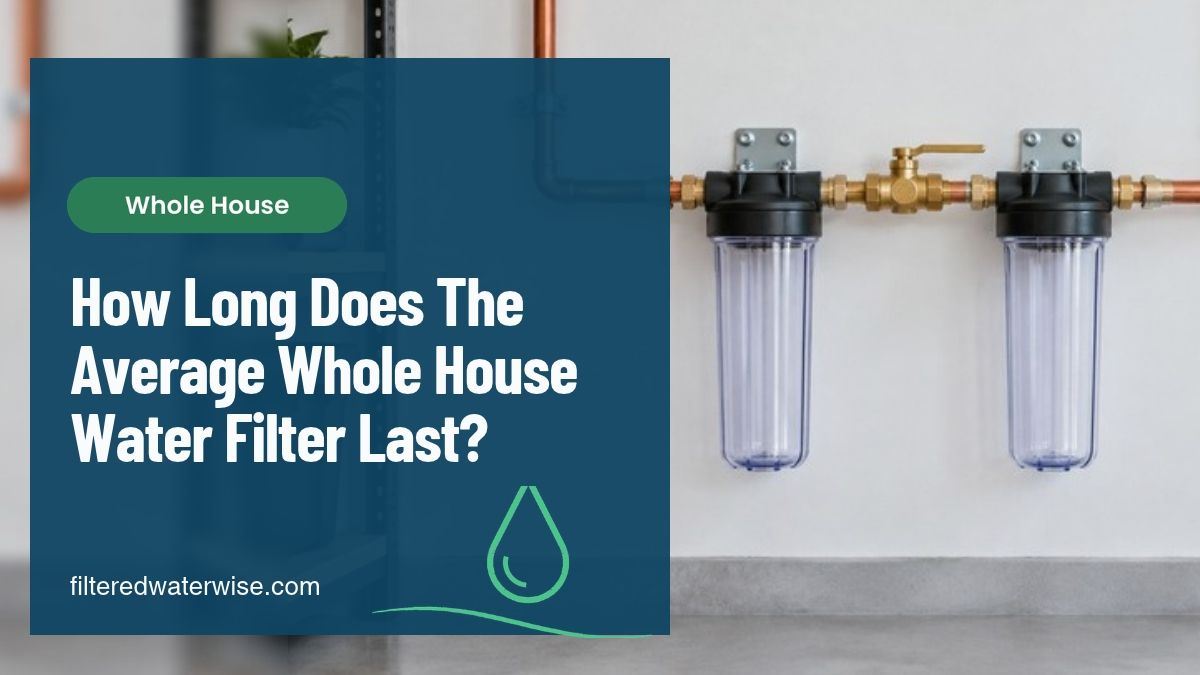
    How Long Does The Average Whole House Water Filter Last?

    Filtered Water Wise is reader-supported. Some articles contain affiliate links, and as an Amazon Associate we earn from qualifying purchases. Affiliate disclosure

    Have you ever wondered how long your whole house water filter will last? We all know the importance of having clean and safe water for our homes, but the lifespan of these filters can be a mystery. In this article, we will explore the average lifespan of whole house water filters and provide some useful tips to help you extend their longevity. Say goodbye to guessing and hello to a clearer understanding of your water filtration system!

    Types of Whole House Water Filters

    When it comes to ensuring the quality of your household’s water supply, a whole house water filter is a wise investment. These filters are designed to remove contaminants from the water coming into your home, providing you with clean and safe water for drinking, cooking, bathing, and other daily activities. There are several types of whole house water filters available in the market, each with its own set of advantages and features. Let’s take a closer look at some of the most common types of whole house water filters.

    Activated Carbon Filters

    Activated carbon filters are one of the most popular choices when it comes to whole house water filtration, and for good reason. These filters work by adsorbing organic compounds, such as chlorine, pesticides, herbicides, and volatile organic compounds (VOCs), as the water passes through the activated carbon media. This process helps to improve the taste and odor of the water, making it more appealing for consumption. Activated carbon filters are also effective in removing certain heavy metals, such as lead and mercury.

    Reverse Osmosis Filters

    Another widely used type of whole house water filter is the reverse osmosis (RO) filter. These filters use a membrane to remove contaminants from the water through a process called osmosis. The membrane allows the passage of water molecules, while blocking the passage of larger particles and impurities. reverse osmosis filters are particularly effective in removing dissolved minerals, such as fluoride, arsenic, and calcium, as well as other contaminants, including bacteria, viruses, and heavy metals.

    Ceramic Filters

    Ceramic filters utilize a porous ceramic material to trap contaminants and impurities present in the water. These filters work by allowing the water to pass through the tiny pores of the ceramic material, effectively filtering out particles, sediments, bacteria, and other harmful substances. Ceramic filters are known for their durability and longevity, and they are capable of removing a wide range of contaminants from the water without the need for electricity or chemical additives.

    UV Filters

    UV filters employ ultraviolet light to disinfect the water and eliminate harmful microorganisms. These filters use UV lamps to emit ultraviolet rays that penetrate the cell walls of bacteria, viruses, and other pathogens, effectively destroying their ability to multiply and cause diseases. UV filters are highly effective in killing bacteria and viruses, making them an excellent option for households where microbial contamination is a concern. It’s worth noting that UV filters do not remove particulates or dissolved impurities; they solely focus on disinfection.

    Factors Affecting the Lifespan

    Now that we have a better understanding of the different types of whole house water filters, let’s delve into the various factors that can influence their lifespan. These factors play a crucial role in determining how long your water filter will last and when it’s time for a replacement. It’s important to keep these factors in mind to ensure that your filter continues to provide you with reliable and effective filtration.

    Water Quality

    The quality of the water being filtered is a significant factor that can impact the lifespan of your whole house water filter. If your water supply contains high levels of contaminants, such as heavy metals, sediment, or chemicals, your filter will need to work harder and may become clogged or exhausted more quickly. On the other hand, if your water is relatively clean, your filter may have a longer lifespan.

    Water Usage

    The amount of water being filtered on a daily basis also influences the lifespan of your whole house water filter. If you have a large household with high water consumption, your filter will be processing a larger volume of water, which can result in faster wear and tear. Conversely, if your household has lower water usage, your filter may last longer before needing replacement.

    Filter Size

    The size of your filter is another factor that can affect its lifespan. Larger filters typically have a higher filtration capacity and can handle larger volumes of water without becoming clogged or overwhelmed. Smaller filters, on the other hand, may require more frequent maintenance and replacement due to their limited capacity.

    Maintenance

    Proper maintenance is essential for maximizing the lifespan of your whole house water filter. Regular maintenance tasks, such as cleaning and replacing filter cartridges, can help prevent the buildup of contaminants and ensure optimal filtration performance. Neglecting to perform these maintenance tasks can lead to decreased filter lifespan and compromised water quality.

    Activated Carbon Filters

    Activated carbon filters are renowned for their effectiveness in removing contaminants and improving water taste and odor. To understand their lifespan and when to replace them, let’s explore how they work, their expected lifespan, and the signs that indicate it’s time for a replacement.

    How They Work

    Activated carbon filters work through a process called adsorption, where the carbon media attracts and retains impurities present in the water. When water passes through the filter, the activated carbon traps chlorine, volatile organic compounds (VOCs), pesticides, and other organic compounds, improving the aesthetic quality of the water.

    Lifespan

    The lifespan of activated carbon filters can vary depending on the quality of the water being treated and the filter’s capacity. On average, these filters may last anywhere from 6 to 12 months before needing replacement. However, it’s important to note that factors such as water quality and usage can influence the lifespan of the filter.

    Signs of Replacement

    Several signs indicate that your activated carbon filter is nearing the end of its lifespan and should be replaced. If you notice a decline in water quality, such as an unpleasant taste or odor returning, it’s a strong indication that the filter is no longer effective. Additionally, a decrease in water pressure or slower flow rate can suggest that the filter is clogged and needs replacement.

    Reverse Osmosis Filters

    Reverse osmosis filters are highly effective at removing dissolved impurities and providing clean, purified water. To understand their lifespan and when to consider replacement, let’s explore how they work, their typical lifespan, and the signs that may suggest it’s time for a new filter.

    How They Work

    Reverse osmosis filters use a semipermeable membrane to remove contaminants from water through the process of osmosis. Water is forced through the membrane, while larger particles and impurities are blocked, resulting in purified water on the other side. This filtration process helps to eliminate dissolved minerals, heavy metals, and other contaminants.

    Lifespan

    The lifespan of reverse osmosis filters typically ranges from 1 to 3 years, depending on the quality of the filter and the water being treated. Optimal performance can be maintained by regularly cleaning and maintaining the filter and ensuring that any pre-filters are replaced as needed.

    Signs of Replacement

    There are several signs that indicate it may be time to replace your reverse osmosis filter. If you notice a decline in water quality, such as an unpleasant taste, odor, or cloudiness, it may suggest that the filter is no longer effectively removing impurities. Additionally, if you experience a decrease in water pressure or a slower flow rate, it may be an indication that the filter is clogged and needs replacement.

    Ceramic Filters

    Ceramic filters are known for their durability and ability to remove a wide range of contaminants from water without the need for electricity or chemical additives. Let’s explore how ceramic filters work, their expected lifespan, and the signs that indicate it’s time for a replacement.

    How They Work

    Ceramic filters utilize a porous ceramic material to trap contaminants and impurities in the water. These filters consist of tiny pores that allow water to pass through while blocking larger particles and harmful substances. Ceramic filters are effective in removing sediments, bacteria, protozoa, and other harmful microorganisms.

    Lifespan

    Ceramic filters typically have a longer lifespan compared to other types of filters and can last anywhere from 6 months to 2 years, depending on the quality of the filter and water being treated. Regular cleaning and maintenance can help prolong the lifespan and maintain optimal filtration performance.

    Signs of Replacement

    If you notice a decline in water quality, such as the return of an unpleasant taste or odor, it may suggest that the ceramic filter is becoming less effective and needs replacement. Additionally, a decrease in water pressure or slower flow rate can indicate that the filter is clogged and requires a new ceramic element.

    UV Filters

    UV filters are an excellent choice for households concerned about microbial contamination. Let’s explore how UV filters work, their average lifespan, and the signs that may indicate it’s time to replace the UV lamp.

    How They Work

    UV filters utilize ultraviolet light to disinfect and eliminate harmful microorganisms present in the water. These filters use specially designed UV lamps that emit ultraviolet rays. When water passes through the filter and comes into contact with the UV light, the UV rays penetrate the cell walls of bacteria, viruses, and other pathogens, destroying their ability to multiply and cause diseases.

    Lifespan

    The lifespan of UV lamps used in UV filters typically ranges from 9 to 12 months. It’s important to follow the manufacturer’s guidelines and replace the UV lamp at regular intervals to ensure continued effectiveness in eliminating harmful microorganisms.

    Signs of Replacement

    A decrease in water quality, such as the presence of an unpleasant taste or odor, may indicate that the UV lamp is no longer functioning correctly and needs replacement. Additionally, if you notice a decline in water clarity or suspect microbial contamination, it’s advisable to replace the UV lamp to maintain optimal disinfection performance.

    Factors to Consider When Choosing a Whole House Water Filter

    Selecting the right whole house water filter for your household’s needs can seem overwhelming with various options available. To make an informed decision, consider the following factors:

    Filter Lifespan

    The lifespan of the filter is an important consideration. Evaluate how often the filter needs to be replaced and the associated costs. Longer-lasting filters may require less frequent replacement, saving you time and money in the long run.

    Cost of Replacement Filters

    Consider the cost of replacement filters for the whole house water filter system. Some filters may have a higher upfront cost but lower ongoing maintenance expenses, while others may be more affordable initially but require more frequent replacement, resulting in higher long-term costs.

    Effectiveness in Removing Contaminants

    Understand the specific contaminants that need to be addressed in your water supply and choose a filter capable of effectively removing those contaminants. Look for filters that are certified to meet industry standards for contaminant removal.

    Ease of Maintenance

    Consider the maintenance requirements of the filter system. Determine if regular cleaning and filter replacement can be easily carried out by homeowners or if professional assistance is needed. Opt for a system that aligns with your maintenance capabilities and preferences.

    Installation Requirements

    Finally, consider the installation requirements of the whole house water filter system. Some filters may require professional installation, while others can be easily installed by homeowners. Take into account the available space, plumbing configuration, and any specific installation considerations when choosing a filter.

    Maintaining a Whole House Water Filter

    Proper maintenance is crucial to ensure that your whole house water filter continues to provide clean and safe water for your household. By following a regular maintenance routine, you can prolong the lifespan of the filter and maximize its effectiveness. Here are some essential maintenance tasks to consider:

    Cleaning Schedule

    Regularly clean the filter housing and any removable components as recommended by the manufacturer. This helps prevent the buildup of sediment and contaminants, ensuring optimal filtration performance. Follow the provided instructions to avoid damaging the filter during the cleaning process.

    Replacement Schedule

    Replace filter cartridges, membranes, or media at the recommended intervals or as specified by the manufacturer. Regularly inspect the condition of the filter components to determine if replacement is necessary. Not replacing filters on time can result in reduced filtration efficiency and compromised water quality.

    Regular Inspections

    Perform regular inspections of the filter system to check for any signs of damage or wear. Look for leaks, cracks, or other defects that may affect the performance of the filter. Address any issues promptly to prevent further damage and ensure uninterrupted filtration.

    Signs That Your Whole House Water Filter Needs Replacement

    While regular maintenance can help prolong the lifespan of your whole house water filter, there will come a time when it needs to be replaced. Here are some common signs that indicate your water filter may need replacement:

    Decreased Water Pressure

    If you notice a significant decrease in water pressure throughout your home, it may suggest that your water filter is becoming clogged with sediment, contaminants, or other impurities. A decrease in water pressure can affect the flow rate and indicate that it’s time to replace the filter.

    Unpleasant Taste or Odor

    If you start to notice an unpleasant taste or odor in your tap water, it could be an indication that your whole house water filter is no longer effectively removing the contaminants responsible for these issues. Replacing the filter can help restore the taste and odor of your water.

    Cloudy or Discolored Water

    Cloudy or discolored water is often a sign that your water filter is no longer effectively removing sediment and other particles from the water. It may suggest that the filter is clogged or exhausted and needs to be replaced to restore water clarity.

    Increased Frequency of Plumbing Issues

    If you experience a sudden increase in plumbing issues, such as clogged pipes, faucets, or showerheads, it may be attributed to an ineffective water filter. Over time, sediment and contaminants can accumulate in the plumbing system, leading to plumbing issues. Replacing the filter can help prevent further problems and maintain the health of your plumbing system.

    Exceeding the Manufacturer’s Recommended Lifespan

    Each whole house water filter has a manufacturer’s recommended lifespan. If you have been using the filter beyond this lifespan, it’s crucial to replace it to ensure optimal filtration performance. Using an expired filter can compromise water quality and put your health at risk.

    Conclusion

    In conclusion, investing in a whole house water filter is a proactive step towards ensuring the quality and safety of your household’s water supply. With various types of whole house water filters available, including activated carbon filters, reverse osmosis filters, ceramic filters, and UV filters, you can choose the one that best suits your specific needs.

    Factors such as water quality, water usage, filter size, and maintenance can significantly influence the lifespan of your water filter. Regular maintenance, including cleaning, replacement schedules, and inspections, is essential for maintaining optimal filtration performance and maximizing the lifespan of your filter.

    Signs such as decreased water pressure, unpleasant taste or odor, cloudy or discolored water, increased plumbing issues, or exceeding the manufacturer’s recommended lifespan indicate that it may be time to replace your whole house water filter.

    By considering factors such as filter lifespan, cost of replacement filters, effectiveness in removing contaminants, ease of maintenance, and installation requirements, you can choose the right whole house water filter for your household’s needs.

    Remember, regular maintenance and timely replacement are key to ensuring that your whole house water filter continues to provide you and your family with clean, safe, and refreshing water.

  • What Are Two Disadvantages Of Soft Water?

    What Are Two Disadvantages Of Soft Water?

    Filtered Water Wise is reader-supported. Some articles contain affiliate links, and as an Amazon Associate we earn from qualifying purchases. Affiliate disclosure

    Have you ever wondered about the drawbacks of having soft water in your home? Soft water, commonly achieved through the process of water softening, is known for its ability to remove minerals like calcium and magnesium, which can cause limescale buildup. While soft water has its benefits, such as cleaner dishes and smoother skin, there are also a couple of disadvantages to consider. In this article, we will explore two common disadvantages of soft water and how they can potentially impact your daily life.

    Introduction

    Soft water, which contains low levels of minerals, is often desired for its perceived benefits. However, it’s important to consider the drawbacks that come with using soft water in our daily lives. In this article, we will explore several disadvantages of soft water and how they can affect various aspects of our daily routines.

    Increased Corrosion

    Effects on Plumbing Systems

    One notable disadvantage of soft water is its increased corrosive nature. Soft water lacks the mineral content that helps protect our plumbing systems from degradation. Over time, the constant contact with soft water can lead to the erosion of pipes, fittings, and fixtures. This erosion can result in leaks, reduced water pressure, and even costly repairs.

    Damage to Appliances

    In addition to plumbing systems, soft water can also cause damage to appliances. Without the protective minerals present in hard water, the corrosive nature of soft water can corrode the internal components of appliances such as water heaters, dishwashers, and washing machines. This corrosion can lead to malfunctions, reduced lifespan of appliances, and the need for frequent repairs.

    Potential Health Concerns

    Soft water’s increased corrosiveness can also have potential health implications. As it corrodes pipes and fittings, it can cause the release of heavy metals such as lead and copper into the water supply. These metals can be harmful if ingested, with long-term exposure leading to various health issues like neurological disorders and organ damage.

    Mineral Deficiencies

    Reduced Calcium and Magnesium Intake

    Soft water, due to its low mineral content, can lead to reduced intake of essential minerals like calcium and magnesium. These minerals play a crucial role in maintaining our overall health, supporting bone density, muscle function, and cardiovascular health. When our water lacks these minerals, it can become challenging to meet our daily recommended intake through other sources.

    Bone Health

    The reduced intake of calcium and magnesium can have a detrimental impact on our bone health. Calcium is essential for building and maintaining strong bones, and a deficiency can increase the risk of fractures and osteoporosis. Magnesium, on the other hand, aids in calcium absorption and bone formation. Without adequate levels of these minerals, our bone health may suffer.

    Cardiovascular Risks

    In addition to bone health, soft water’s mineral deficiencies can also contribute to cardiovascular risks. Adequate levels of calcium and magnesium are important for maintaining a healthy heart rhythm, blood pressure, and vascular function. When these minerals are lacking in our water, our cardiovascular system may be at a higher risk of developing issues like high blood pressure and heart disease.

    Muscle Function

    Magnesium is particularly important for proper muscle function. It helps regulate muscle contractions and supports muscle recovery and relaxation. Without enough magnesium intake from our water, muscle cramps, weakness, and fatigue may become more common.

    Soap Efficiency

    Difficulty Lathering

    One of the most noticeable disadvantages of using soft water is the difficulty in getting a good lather when using soap. Soft water’s low mineral content makes it less effective at interacting with soap molecules, leading to reduced lather formation. This can make it challenging to thoroughly clean our skin, hair, and dishes, as we often rely on lather to lift away dirt, oils, and bacteria.

    Higher Soap Consumption

    Due to the poor lather formation, soft water users may find themselves using larger amounts of soap to achieve the desired level of cleanliness. This increased soap consumption can be costly and contribute to unnecessary waste. Using more soap than necessary can also have environmental implications due to the production and disposal of excess soap.

    Laundry Challenges

    Less Effective Stain Removal

    Soft water tends to be less effective at removing tough stains from our clothes. The lack of minerals prevents the effective breakdown and removal of stains, making it necessary to use additional stain removers or additives. This can prolong the laundry process and increase the need for specialized products, resulting in additional expenses.

    Dull and Faded Colors

    In addition to stains, soft water can also impact the appearance of our clothes. The absence of minerals hinders the ability of detergent to fully remove dirt and residue, resulting in dull and faded colors. Over time, clothes washed in soft water may lose their vibrancy and appear worn out, even if they are relatively new.

    Skin and Hair Concerns

    Dryness and Irritation

    Soft water’s low mineral content can have a negative impact on our skin and hair. Without the minerals that help retain moisture, soft water can strip away the natural oils present on our skin and hair, leading to dryness and irritation. Dry skin can become itchy and uncomfortable, while dry hair can become brittle and prone to breakage.

    Increased Frizziness

    Alongside dryness, soft water can also exacerbate frizziness in our hair. The lack of minerals in soft water makes it harder to maintain the hair’s natural moisture balance, resulting in frizzy and unmanageable hair. This can make styling more challenging and lead to overall dissatisfaction with hair appearance.

    Weakened Hair

    The absence of minerals in soft water can also weaken our hair. The minerals found in hard water help strengthen hair strands, making them more resistant to breakage and damage. Without these minerals, our hair becomes more vulnerable to breakage, split ends, and thinning, resulting in overall reduced hair health.

    Chlorine Sensitivity

    Exacerbated Irritation

    Chlorine is commonly used as a disinfectant in water treatment processes, making it present in both hard and soft water. However, soft water’s lack of minerals can make the effects of chlorine more pronounced. The combination of soft water and chlorine can irritate the skin and eyes, causing redness, itchiness, and discomfort.

    Skin Rashes

    For individuals with sensitive skin, the presence of chlorine in soft water can lead to the development of skin rashes. Chlorine can strip away the skin’s natural protective oils, leaving it vulnerable to irritation, dryness, and inflammation. These rashes can be particularly bothersome and affect one’s overall comfort and well-being.

    Asthma Symptoms

    Soft water’s higher chlorine content can also be problematic for those with asthma or respiratory conditions. The inhalation of chlorine fumes during showers or other water-related activities can trigger asthma symptoms such as coughing, wheezing, and shortness of breath. These symptoms can be further exacerbated by the lack of minerals in soft water, which can worsen respiratory sensitivity.

    Higher Water Usage

    Longer Showers

    Soft water’s perceived luxuriousness can lead to longer shower durations. The absence of mineral buildup on the skin gives the impression of a silkier and smoother shower experience, encouraging individuals to indulge in longer showers. While enjoyable, these extended shower sessions can result in higher water consumption, leading to increased utility bills and unnecessary water wastage.

    Increased Usage for Cleaning

    In addition to longer showers, soft water’s effects can also lead to increased usage for cleaning purposes. The reduced efficacy of soap and detergents in soft water may prompt individuals to use more cleaning products or repeat cleaning cycles to achieve the desired level of cleanliness. This added usage can contribute to higher water consumption and the need to purchase cleaning supplies more frequently.

    Metallic Taste

    Excessive Sodium Content

    Soft water is often treated with ion-exchange systems, which remove calcium and magnesium but replace them with sodium ions. While this process helps reduce mineral content, it introduces sodium into the water supply. The excessive sodium content can give the water a noticeable metallic taste, which may be unpleasant for some individuals.

    Unpleasant Flavor in Drinking Water

    The metallic taste caused by soft water’s sodium content can extend to drinking water as well. Many individuals prefer the taste of water without any added flavors or impurities, and the presence of sodium can alter the water’s taste profile. This can contribute to a diminished drinking experience and make it less enjoyable to stay hydrated throughout the day.

    Conclusion

    While soft water has its advantages, it’s important to consider the potential disadvantages it brings to our everyday lives. Increased corrosion of plumbing systems, damage to appliances, mineral deficiencies, reduced soap efficiency, laundry challenges, skin and hair concerns, chlorine sensitivity, higher water usage, metallic taste, and reduced calcium and magnesium intake are all aspects that need to be taken into account. By understanding these drawbacks, individuals can make informed decisions and take necessary steps to address or mitigate the potential negative effects of using soft water.

  • What Water Filters Remove Everything?

    What Water Filters Remove Everything?

    Filtered Water Wise is reader-supported. Some articles contain affiliate links, and as an Amazon Associate we earn from qualifying purchases. Affiliate disclosure

    Imagine never having to worry about the quality of the water you consume, knowing that every time you take a sip, you’re only getting the purest and cleanest water. In our quest for healthier lives, we often wonder if there is a water filter out there that can remove absolutely everything from our water. Look no further, for this article will reveal the truth behind the most advanced water filters on the market, and whether they truly have the power to eliminate every single contaminant imaginable.

    Types of Water Filters

    When it comes to choosing a water filter, there are several options available to ensure clean and safe drinking water. The three main types of water filters are carbon filters, reverse osmosis filters, and UV filters. Each type has its own mechanism of action and effectiveness in removing different contaminants from water. Understanding these options can help you make an informed decision about which water filter is best suited for your needs.

    Carbon Filters

    Carbon filters, also known as activated carbon filters, are one of the most common types of water filters available. These filters are highly effective in removing many common contaminants found in water, including sediments, chlorine, heavy metals, pesticides, and some viruses and bacteria.

    The mechanism of action of carbon filters involves the use of activated carbon, which is a form of carbon that has been specially treated to have a large surface area and porous structure. This allows the carbon to trap and adsorb contaminants as the water passes through the filter. The activated carbon has a strong affinity for organic compounds and can effectively remove unpleasant tastes and odors from water, resulting in improved taste and odor.

    While carbon filters are effective in removing a wide range of contaminants, they do have limitations. They may not be as effective in removing certain contaminants such as dissolved minerals or salts. Additionally, the lifespan of carbon filters can vary depending on the quality of the water and the amount of contaminants present. It is important to regularly replace the carbon filter according to the manufacturer’s recommendations to maintain its effectiveness.

    Reverse Osmosis Filters

    Reverse osmosis filters are another popular choice for water filtration. These filters use a membrane to separate contaminants from water. The mechanism of action of reverse osmosis filters involves applying pressure to the water, forcing it through a semipermeable membrane that allows water molecules to pass through while blocking large molecules and contaminants.

    Reverse osmosis filters are highly effective in removing various contaminants, including sediments, chlorine, heavy metals, pesticides, and dissolved solids such as salts and minerals. They are particularly effective in removing contaminants that have a larger molecular size, ensuring cleaner and safer drinking water.

    While reverse osmosis filters provide excellent filtration, they do have some disadvantages to consider. The filtration process can be slow, resulting in a lower water flow rate compared to other types of filters. Additionally, reverse osmosis filters waste a significant amount of water during the filtration process, which can increase water usage and utility costs. Regular maintenance is also required to ensure the optimal performance of the filter.

    UV Filters

    UV filters, also known as ultraviolet filters, use ultraviolet light to disinfect water and eliminate bacteria, viruses, and other microorganisms. The mechanism of action of UV filters involves exposing the water to UV light, which damages the DNA of microorganisms and prevents them from reproducing.

    UV filters are highly effective in neutralizing harmful microorganisms and ensuring safe drinking water. They are particularly useful in areas where water sources may be contaminated with bacteria or viruses. UV filters do not require chemicals or complex treatment processes, making them a convenient and environmentally friendly option.

    However, UV filters have limitations when it comes to removing other types of contaminants. They are not effective in removing sediments, chemicals, heavy metals, or dissolved solids from water. Therefore, it is important to consider the specific needs and contaminants present in your water source when choosing a water filter.

    Combination Filters

    In some cases, combining different types of filters can provide enhanced water filtration. Combination filters typically involve the use of multiple stages or cartridges, each designed to address specific contaminants. These filters may include a combination of carbon, reverse osmosis, and UV filtration to ensure comprehensive water treatment.

    The advantages of combination filters include a higher level of contaminant removal and improved overall water quality. By using different filtration methods, combination filters can effectively remove a wide range of contaminants, including sediments, chlorine, heavy metals, pesticides, bacteria, viruses, and dissolved solids. This makes them a popular choice for areas with high levels of contamination or specific water quality concerns.

    However, combination filters may also have some disadvantages. They can be more complex to install and maintain than single-stage filters. Additionally, the cost of combination filters may be higher due to the multiple filtration stages and cartridges required. It is important to consider the specific contaminants in your water source and your budget when deciding whether a combination filter is the right choice for you.

    Benefits of Using Water Filters

    Using a water filter to purify your drinking water offers several benefits for you and your household.

    Firstly, water filters can greatly improve the taste and odor of your water. By removing contaminants such as chlorine and sediments, water filters can provide a fresher and cleaner taste. This can make a significant difference, especially for individuals who are sensitive to the strong taste or smell of chlorine.

    Secondly, water filters effectively remove harmful substances from your drinking water. Common contaminants such as heavy metals, pesticides, and bacteria can pose serious health risks if consumed. By using a water filter, you can eliminate these contaminants and reduce the potential health hazards associated with them.

    Lastly, using a water filter can provide various health benefits. Drinking clean and filtered water can contribute to improved hydration, digestion, and overall well-being. Additionally, filtered water is free from harmful substances that could potentially weaken the immune system or cause long-term health problems.

    Limitations of Water Filters

    While water filters offer numerous benefits, it is important to understand their limitations before making a decision.

    Firstly, water filters may have limited effectiveness against certain contaminants. Some dissolved minerals or salts, such as fluoride or nitrates, may not be effectively removed by certain types of filters. It is important to research the specific contaminants in your water source and choose a filter that is specialized in removing those contaminants.

    Maintenance and replacement are also important factors to consider. Water filters require regular maintenance to ensure optimal performance. This may include cleaning or replacing filter cartridges, checking water pressure, and monitoring the overall condition of the filter. Additionally, filters have a lifespan and will eventually need to be replaced. It is essential to follow the manufacturer’s recommendations and replace the filter as instructed to maintain its effectiveness.

    Cost is another factor to consider when choosing a water filter. Different types of filters have varying upfront costs, ongoing maintenance costs, and filter replacement costs. It is important to consider your budget and the long-term costs associated with the filter you choose. Additionally, it may be beneficial to compare the cost of filtered water to the cost of purchasing bottled water or other alternatives.

    Conclusion

    Choosing the right water filter is essential to ensure clean and safe drinking water for you and your family. Consider factors such as your water source, contaminant level, filter lifespan, and cost when making a decision. Carbon filters, reverse osmosis filters, and UV filters all have their own mechanisms of action and effectiveness in removing contaminants, so choose a filter that suits your specific needs. Remember the benefits of using water filters, such as improved taste, removal of harmful substances, and health benefits. However, be aware of the limitations of water filters, including limited effectiveness against some contaminants, maintenance and replacement requirements, and associated costs. By carefully considering these factors, you can confidently choose a water filter that will ensure clean and safe drinking water for you and your loved ones.