Tag: worth

  • Is Whole House Water Filtration Worth It?

    Is Whole House Water Filtration Worth It?

    Filtered Water Wise is reader-supported. Some articles contain affiliate links, and as an Amazon Associate we earn from qualifying purchases. Affiliate disclosure

    You may have never given much thought to the quality of the water you use at home, but have you ever wondered if it’s truly safe? In today’s article, we will explore the question “Is Whole House Water Filtration Worth It?” and shed light on the importance of investing in a comprehensive water filtration system for your entire house. From eliminating harmful contaminants to improving the taste and odor of your water, you’ll soon discover the many benefits that come with ensuring the quality of the water that flows through your taps. So, join us as we delve into the world of whole house water filtration and uncover its true worth.

    What is Whole House Water Filtration?

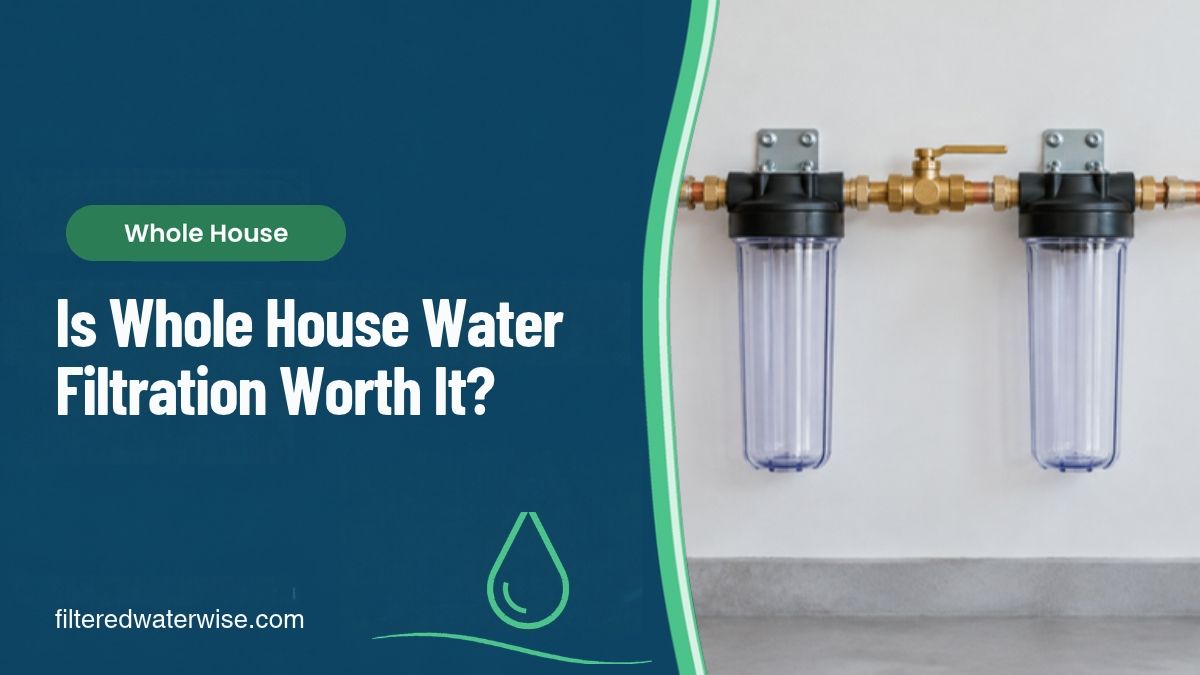
    Whole house water filtration is a comprehensive system that filters the water coming into your home from the main water supply. It is designed to remove impurities, contaminants, and undesirable elements from the water, ensuring that every faucet and appliance in your house receives clean, filtered water. This type of filtration system is installed at the point of entry, typically near the main water line, and filters the water before it reaches any of your faucets, showers, or appliances.

    Overview of Whole House Water Filtration

    whole house water filtration systems are designed to provide clean, filtered water throughout your entire home. These systems typically consist of multiple filtration stages and can be customized based on your specific needs and the quality of your water supply. The water passes through various filters and treatment methods to remove sediment, chlorine, heavy metals, chemicals, and other contaminants. The filtered water is then distributed to every water outlet in your home, ensuring that you have access to clean and safe drinking water, as well as water for cooking, bathing, and other household needs.

    Purpose of Whole House Water Filtration

    The main purpose of a whole house water filtration system is to improve the overall quality of the water in your home. It helps to remove impurities and contaminants that may be present in the water, making it safer and healthier for you and your family. By filtering the water at the point of entry, whole house filtration systems ensure that every faucet, shower, and appliance receives clean and filtered water. This not only improves the taste and appearance of the water but also extends the lifespan of your plumbing and appliances, saving you money in the long run.

    Types of Whole House Water Filtration Systems

    There are several types of whole house water filtration systems available on the market, each with its own advantages and disadvantages. The most common types include activated carbon filters, reverse osmosis systems, and UV (ultraviolet) filters.

    Activated carbon filters are effective at removing chlorine, sediment, volatile organic compounds (VOCs), and some chemicals. Reverse osmosis systems use a membrane to remove a wide range of contaminants, including heavy metals, chemicals, and bacteria. UV filters use ultraviolet light to kill bacteria and other microorganisms in the water. The type of system you choose will depend on the specific contaminants in your water and your individual needs.

    Advantages of Whole House Water Filtration

    Improved Health and Safety

    One of the biggest advantages of whole house water filtration is the improvement in health and safety. By removing contaminants and impurities from the water, these filtration systems provide a reliable source of clean and safe drinking water. This is especially important for children, the elderly, and people with compromised immune systems who may be more vulnerable to the harmful effects of contaminated water. With a whole house filtration system, you can have peace of mind knowing that the water you and your family are consuming is free from harmful contaminants.

    Better Taste and Appearance of Water

    Another significant advantage of whole house water filtration is the improvement in the taste and appearance of the water. Many people find that filtered water tastes better and has a fresher and cleaner flavor compared to unfiltered tap water. By removing chlorine, sediment, and other impurities, whole house filtration systems enhance the overall quality of the water, making it more enjoyable to drink and use for cooking and brewing beverages. Furthermore, filtered water often looks clearer and does not have the same cloudiness that unfiltered water may have.

    Extended Lifespan of Plumbing and Appliances

    Whole house water filtration systems can also help extend the lifespan of your plumbing and appliances. The removal of sediment, minerals, and other particles from the water prevents these contaminants from building up in your plumbing system and appliances, reducing the risk of clogs, blockages, and damage. By reducing the strain on your plumbing and appliances, whole house filtration systems can help them last longer and operate more efficiently, which can result in cost savings over time by reducing the need for repairs and replacements.

    Disadvantages of Whole House Water Filtration

    Higher Initial Cost

    One of the main disadvantages of whole house water filtration is the higher initial cost compared to other types of filtration systems. Whole house systems typically require professional installation and can be more expensive to purchase than point-of-use filters that are installed on individual faucets or appliances. However, it is important to consider the long-term benefits and cost savings that a whole house filtration system offers, such as the improved health and extended lifespan of plumbing and appliances.

    Regular Maintenance and Filter Replacement

    Another disadvantage of whole house water filtration is the requirement for regular maintenance and filter replacement. Depending on the type of system and the quality of your water supply, filters may need to be replaced every few months or once a year. This regular maintenance can be time-consuming and may require professional assistance, adding to the overall cost of owning and maintaining a whole house filtration system. However, proper maintenance and regular filter replacements are essential to ensure the system continues to function effectively and provide clean and filtered water.

    Limited Effectiveness Against Certain Contaminants

    While whole house water filtration systems are highly effective at removing many common contaminants, there are certain contaminants that they may not be able to adequately address. For example, some systems may have limited effectiveness against certain forms of bacteria, viruses, and other microorganisms. Additionally, if your water supply contains specific contaminants that require specialized filtration methods, you may need to invest in additional treatment systems or technologies to address those specific concerns. It is important to evaluate the specific contaminants in your water and choose a filtration system that can effectively remove or reduce them.

    Factors to Consider before Installing Whole House Water Filtration

    Water Quality and Contamination Levels

    Before installing a whole house water filtration system, it is important to assess the quality of your water and determine the level of contamination present. This can be done through water testing, either by using a home testing kit or by sending a sample to a certified laboratory for analysis. Understanding the specific contaminants in your water will help you choose a filtration system that is tailored to your needs and effectively removes those contaminants.

    Budget and Cost Considerations

    Another factor to consider is your budget and the overall cost of installing and maintaining a whole house water filtration system. While these systems offer numerous benefits, they can be more expensive than other types of filtration systems. It is important to determine how much you are willing to invest in a filtration system and consider the ongoing costs of maintenance and filter replacements. Additionally, you may also need to factor in the cost of professional installation if you are not comfortable with a do-it-yourself approach.

    Space and Installation Requirements

    The available space and installation requirements should also be taken into consideration before installing a whole house water filtration system. These systems typically require space near the main water line and may need additional components such as a sediment pre-filter or a water softener, depending on your water quality and specific needs. Ensure that you have enough space and access to the necessary connections for the system to be installed properly.

    Different Types of Whole House Water Filtration Systems

    Activated Carbon Filters

    Activated carbon filters are one of the most common types of whole house water filtration systems. They use activated carbon or charcoal to remove chlorine, chemicals, and certain organic compounds from the water. These filters are effective at improving taste and odor, as well as removing sediment and some heavy metals. However, they may not be as effective at removing certain contaminants such as bacteria, viruses, and dissolved minerals.

    Reverse Osmosis Systems

    Reverse osmosis (RO) systems are another type of whole house water filtration system that uses a membrane to remove a wide range of contaminants from the water. These systems are highly effective at removing dissolved minerals, heavy metals, and other contaminants, providing clean and purified water throughout the house. However, they can be more expensive and require a larger amount of space for installation compared to other filtration systems.

    UV (Ultraviolet) Filters

    UV filters use ultraviolet light to kill bacteria, viruses, and other microorganisms present in the water. These filters are often used in conjunction with other filtration systems to provide an additional layer of disinfection. UV filters are highly effective at eliminating harmful microorganisms, but they may not remove other contaminants such as chemicals or heavy metals. It is important to consider the specific needs of your water supply and choose a filtration system that addresses those needs.

    Installation and Maintenance of Whole House Water Filtration Systems

    Professional vs DIY Installation

    The installation of a whole house water filtration system can be done either by a professional plumber or as a do-it-yourself (DIY) project, depending on your skills and preferences. Professional installation ensures that the system is properly installed, connected to the main water line, and integrated with any additional components such as pre-filters or water softeners. However, professional installation can add to the overall cost of the system. DIY installation, on the other hand, may be more cost-effective, but it requires the necessary skills and knowledge to ensure a successful installation.

    Regular Maintenance Practices

    Proper maintenance is essential for the optimal performance of a whole house water filtration system. Regular maintenance practices may include checking the system for leaks, monitoring the water pressure, and cleaning or replacing filters as needed. It is important to follow the manufacturer’s recommendations for maintenance and consult a professional if you are unsure about any aspect of the maintenance process. Regular maintenance helps to ensure that the system continues to provide clean and filtered water and extends the lifespan of the system.

    Filter Replacement Frequency

    The frequency of filter replacement will depend on the type of whole house water filtration system you have and the quality of your water. Some filters may need to be replaced every few months, while others may have a longer lifespan of one to two years. Regular filter replacements are important to maintain the effectiveness of the system and ensure that the water is properly filtered. It is recommended to keep track of the replacement schedule and set reminders to ensure timely filter replacements.

    Cost Analysis of Whole House Water Filtration

    Initial Purchase and Installation Costs

    The cost of a whole house water filtration system can vary depending on the type of system, the level of customization, and the quality of the components. Activated carbon filters are generally more affordable, with prices ranging from a few hundred to a few thousand dollars, depending on the size of the system and the brand. Reverse osmosis systems and UV filters tend to be more expensive, with prices ranging from several hundred to several thousand dollars. In addition to the cost of the system itself, professional installation can add to the overall cost.

    Ongoing Maintenance and Filter Replacement Expenses

    Along with the initial purchase and installation costs, there are ongoing maintenance and filter replacement expenses to consider. The cost of filter replacements will depend on the type and brand of filters used in the system, as well as the frequency of replacement. Some filters may need to be replaced every few months, while others may have a longer lifespan of one to two years. It is important to factor in the cost of regular maintenance and filter replacements when considering the overall cost of a whole house water filtration system.

    Long-term Cost Savings

    While whole house water filtration systems may have higher upfront costs compared to other types of filtration systems, they can result in long-term cost savings. By providing clean and filtered water throughout your home, these systems can help extend the lifespan of your plumbing and appliances. This reduces the need for repairs and replacements, saving you money in the long run. Additionally, having access to filtered water can also eliminate the need for purchasing bottled water, further reducing costs and plastic waste.

    Effectiveness of Whole House Water Filtration

    Removal of Common Contaminants

    Whole house water filtration systems are highly effective at removing many common contaminants found in tap water. These include sediment, chlorine, volatile organic compounds (VOCs), heavy metals such as lead and mercury, and various chemicals. The type of filtration system you choose will determine the specific contaminants it can remove. It is important to select a system that is designed to target the contaminants present in your water supply to ensure optimal filtration and purification.

    Comparison to Point-of-Use Filters

    While point-of-use filters, such as faucet-mounted or under-sink filters, are effective at removing certain contaminants, they offer limited coverage compared to whole house water filtration systems. Point-of-use filters only provide filtered water at the specific faucet or appliance they are installed on. In contrast, whole house filtration systems filter the water at the point of entry, ensuring that every faucet, shower, and appliance receives clean and filtered water. This provides comprehensive protection and convenience throughout your entire home.

    Independent Certifications and Testing

    To ensure the effectiveness and quality of whole house water filtration systems, it is important to look for independent certifications and testing. Third-party organizations, such as NSF International, conduct rigorous testing and certification of water filters and treatment systems. Look for systems that have been certified to meet specific standards and have undergone testing to verify their effectiveness in removing contaminants. This provides assurance that the system you choose will deliver the expected results and provide clean and safe water for your household.

    Customer Reviews and Satisfaction

    Real-World Experiences

    Customer reviews and real-world experiences can provide valuable insights into the effectiveness and satisfaction of whole house water filtration systems. Reading reviews from other homeowners who have installed these systems can help you understand the potential benefits and drawbacks, as well as any specific issues or concerns that may arise. Real-world experiences can give you a better understanding of how different systems perform in various water conditions and help you make a more informed decision.

    Positive and Negative Feedback

    When evaluating customer reviews and feedback, it is important to consider both positive and negative experiences. Negative feedback may mention issues with installation, maintenance, or the system’s effectiveness in removing specific contaminants. Pay attention to recurring themes and common concerns to get a well-rounded perspective.

    Overall Satisfaction Levels

    While individual experiences may vary, overall customer satisfaction levels can give you a general idea of the effectiveness and value of whole house water filtration systems. This can indicate that the system performs well, meets customers’ expectations, and provides the desired benefits.

    Conclusion

    After considering the advantages and disadvantages, the different types of systems available, the installation and maintenance requirements, as well as the cost and effectiveness of whole house water filtration, it is ultimately up to you to decide if it is worth it. Whole house water filtration systems offer numerous benefits, such as improved health and safety, better taste and appearance of water, and extended lifespan of plumbing and appliances. However, they do come with some downsides, including higher initial costs, regular maintenance and filter replacements, and limited effectiveness against certain contaminants.

    By thoroughly evaluating your water quality, budget, space requirements, and personal preferences, you can make an informed decision about whether a whole house water filtration system is worth it for you and your household. Remember to consider customer reviews and satisfaction levels, as well as independent certifications and testing, to ensure that the system you choose delivers the desired results. Ultimately, investing in a whole house water filtration system can provide you with clean and safe water throughout your home, enhancing your overall quality of life.

  • Are Water Softeners Worth The Expense?

    Are Water Softeners Worth The Expense?

    Filtered Water Wise is reader-supported. Some articles contain affiliate links, and as an Amazon Associate we earn from qualifying purchases. Affiliate disclosure

    If you’ve ever noticed white spots on your dishes, dry skin after a shower, or a buildup of limescale in your appliances, you may have wondered if investing in a water softener is worth the expense. In this article, we’ll explore the benefits of water softeners and help you determine whether they are a worthwhile investment for you and your home.

    Understanding the Basics of Water Softeners

    What is a water softener

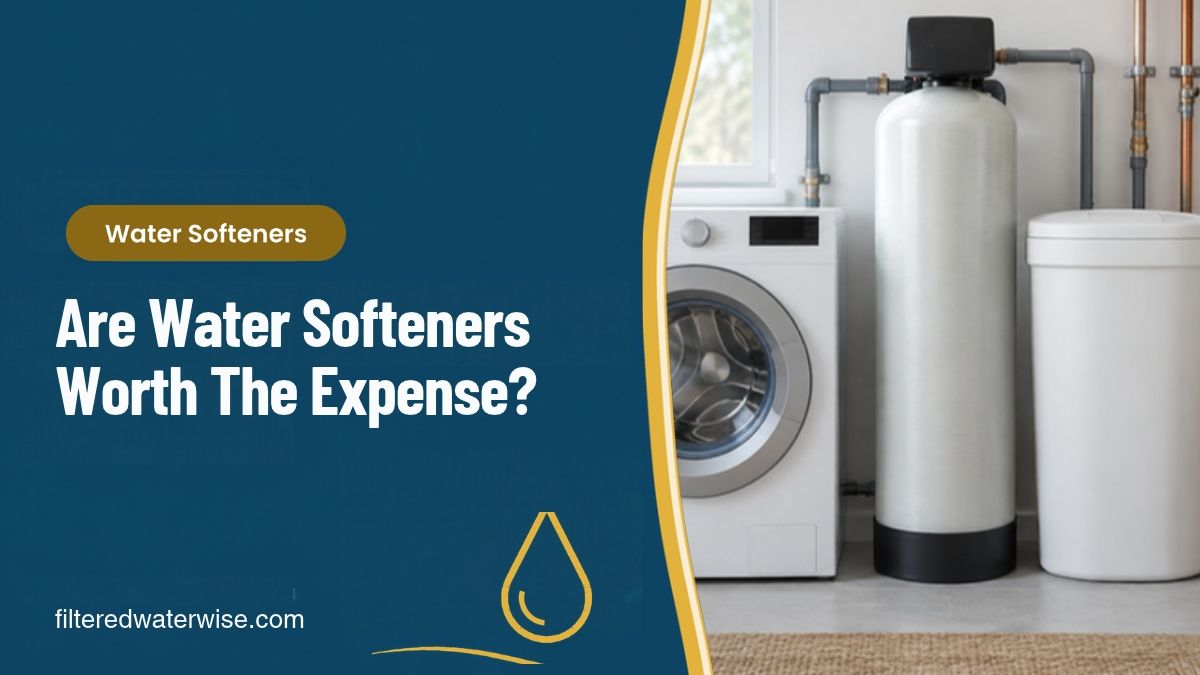
    A water softener is a specialized device used to remove minerals, specifically calcium and magnesium, from hard water. Hard water refers to water that contains high levels of these minerals, which can cause various issues and inconveniences in everyday life. A water softener works by employing a process called ion exchange, where the calcium and magnesium ions are replaced with sodium or potassium ions, resulting in softened water.

    How does a water softener work

    Water softeners operate through a simple yet effective process called ion exchange. The device consists of a tank filled with resin beads coated with sodium or potassium ions. As hard water enters the tank, the mineral ions in the water attach themselves to the resin beads, while the sodium or potassium ions are released into the water. This exchange effectively softens the water, as the troublesome minerals are removed. Once the resin beads become saturated with minerals, the water softener initiates a regeneration process, where it uses a brine solution (highly concentrated saltwater) to cleanse the resin beads, allowing them to be ready for another cycle of ion exchange.

    Types of water softeners

    There are various types of water softeners available in the market, each with its own unique features and advantages. The most commonly used types include:

    1. Salt-based ion exchange water softeners: These are the traditional water softeners that use salt to facilitate the ion exchange process. They are highly effective in removing minerals from water but require regular maintenance and the addition of salt.

    2. Salt-free water softeners: These alternatives to salt-based systems use different technologies such as template-assisted crystallization or electromagnetic waves to prevent mineral buildup. While they don’t remove minerals completely, they significantly reduce their impact on appliances and plumbing systems.

    3. Dual-tank water softeners: This type of water softener comprises two tanks, allowing for continuous water softening even during the regeneration cycle. With this system, you won’t experience any interruptions in the supply of softened water.

    4. Magnetic water conditioners: Although not technically a water softener, magnetic water conditioners use a magnetic field to alter the physical properties of minerals in water, reducing their ability to adhere to surfaces and cause scaling.

    Recognizing Hard Water Problems

    Signs of hard water

    Recognizing whether you have hard water in your home is crucial in determining whether a water softener is worth the expense. There are several signs that can indicate the presence of hard water, including:

    1. Scale buildup: One of the most apparent signs of hard water is the accumulation of scale on fixtures, faucets, and appliances. Scale appears as a white or off-white chalky substance, which can be difficult to remove and may affect the performance of your appliances.

    2. Soap scum and difficulty lathering: Hard water can make it challenging to create a lather with soap, resulting in soap scum residue on surfaces such as shower walls and bathroom fixtures. This can make cleaning more difficult and leave a film on your skin and hair.

    3. Dingy laundry and reduced lather: Clothes washed in hard water may appear dull, feel stiff, and have a reduced lifespan due to the mineral buildup. Additionally, shampoo and soap may not lather well, making it harder to thoroughly cleanse your body and hair.

    4. Water spots on dishes and glassware: Hard water can leave behind unsightly water spots on your dishes, glassware, and silverware, even after they have been cleaned. This can make your tableware look dirty and require extra effort to maintain a sparkling appearance.

    Implications of hard water on home appliances

    The presence of hard water in your home can have detrimental effects on various appliances, shortening their lifespan and causing frequent breakdowns. Appliances such as dishwashers, washing machines, and coffee makers that utilize water can be particularly affected. The mineral deposits in hard water can build up inside the appliances, clogging pipes, and reducing efficiency. This can lead to costly repairs or the need for premature replacement of the appliances.

    Impact of hard water on plumbing

    In addition to appliances, hard water can also have a significant impact on your plumbing system. The mineral deposits from hard water can accumulate in pipes, restricting water flow and leading to reduced water pressure. Over time, this buildup can cause pipe corrosion and even plumbing leaks. Repairing or replacing pipes can be a costly endeavor, making it essential to address hard water issues before they cause long-term damage to your plumbing system.

    Health and Safety Concerns with Hard Water

    Implications of hard water on skin and hair

    Hard water can negatively affect your skin and hair, leading to various issues that can be bothersome and unhealthy. When washing with hard water, the minerals can leave a residue on your skin, clogging pores and potentially causing dryness, irritation, and even acne breakouts. Additionally, these minerals make it more difficult to rinse off soap, leaving a film on your skin that can contribute to itchiness and dryness. Similarly, hard water can strip moisture from your hair, making it feel rough, frizzy, and more prone to breakage.

    Health risks associated with hard water

    While hard water does not pose significant health risks, it can indirectly impact your health due to its effects on skin and hair. Chronic skin conditions such as eczema and psoriasis can be exacerbated by the minerals and residues left behind by hard water. Additionally, the dryness and irritation caused by hard water can lead to discomfort and may even worsen existing conditions. However, it is important to note that the health risks associated with hard water are generally minimal and vary from person to person.

    Environmental Impact of Water Softeners

    Amount of salt released into the environment

    One of the environmental concerns associated with salt-based water softeners is the amount of salt discharged into wastewater during the regeneration process. This salt eventually finds its way into the environment, potentially impacting nearby lakes, rivers, and groundwater sources. However, it is crucial to note that the amount of salt released is relatively small in proportion to the overall salt content in the environment and is generally considered to have a minimal impact.

    Energy consumption of water softeners

    Water softeners, particularly salt-based systems, require energy to operate, mainly during the regeneration cycle. The energy consumption of a water softener depends on various factors, such as the size of the unit, the frequency of regeneration, and the efficiency of the system. While the energy consumption may not be significant on an individual basis, it is important to consider the collective impact of numerous households using water softeners in a given area.

    Potential alternatives that are eco-friendly

    For those concerned about the environmental impact of water softeners, there are alternative options available that are considered to be more eco-friendly. Salt-free water softeners, for instance, do not discharge salt into the environment during their operation. Additionally, magnetic water conditioners do not require any salt or electricity, making them a greener choice. It is important to thoroughly research and evaluate the environmental impact of different types of water softeners to determine the most suitable option for your needs.

    Are Water Softeners Worth The Expense?

    Assessing the Costs of Water Softeners

    Purchase and installation costs

    The costs associated with water softeners can vary depending on factors such as the type and size of the unit, brand, and any additional features or specifications. Salt-based ion exchange water softeners tend to have a lower upfront cost compared to other types, while alternative options such as salt-free systems or dual-tank softeners may come with a higher price tag. In addition to the purchase cost, it is important to consider the expenses related to installation, which may require professional assistance.

    Operating and maintenance costs

    Beyond the initial purchase and installation, there are ongoing operating and maintenance costs to consider when investing in a water softener. Salt-based systems require regular salt refills, which can add to the overall expense. Additionally, periodic maintenance, such as cleaning the resin tank or replacing worn-out parts, may be necessary to ensure the optimal functioning of the water softener. It is important to factor in these recurring costs when evaluating the overall affordability of a water softener.

    The cost breakdown by type of water softener

    As mentioned earlier, the cost of a water softener can vary depending on the type chosen. Salt-based water softeners typically have a lower upfront cost, ranging from a few hundred to a thousand dollars, depending on the brand and specific features. Salt-free systems and dual-tank water softeners, on the other hand, tend to be pricier, with costs ranging from a few thousand to several thousand dollars. Magnetic water conditioners generally fall on the lower end of the pricing spectrum, making them a more budget-friendly option.

    Benefits of Using Water Softeners

    Improved water quality

    The primary benefit of using a water softener is the significant improvement in water quality. By removing the minerals that cause hardness, water softeners provide numerous advantages. Softened water feels noticeably smoother on the skin, resulting in a more pleasant showering experience. It also improves the effectiveness of soaps and shampoos, allowing for a thorough cleansing and leaving you feeling refreshed. Additionally, softened water can prevent the buildup of scale on fixtures and appliances, reducing the need for frequent cleaning and enhancing the overall cleanliness of your home.

    Extended appliance lifespan

    Investing in a water softener can lead to long-term savings by extending the lifespan of your appliances. The mineral buildup from hard water can cause serious damage to appliances such as dishwashers, washing machines, and water heaters. Over time, this can lead to efficiency issues, breakdowns, and the need for costly repairs or replacements. By using a water softener, you can prevent mineral deposits from forming, ensuring that your appliances continue to function optimally for years to come.

    Reduced plumbing maintenance

    Hard water can wreak havoc on your plumbing system, leading to clogs, blockages, and leaks. By using a water softener, you can alleviate these issues and reduce the need for frequent plumbing maintenance. Softened water prevents the accumulation of scale in pipes, ensuring consistent water flow and maintaining optimal water pressure. This not only saves you time and hassle but also helps to mitigate potentially expensive plumbing repairs.

    Potential health benefits

    While the health risks associated with hard water are generally minimal, using a water softener can provide potential health benefits, particularly for individuals with sensitive skin or existing skin conditions. Softened water is gentler on the skin, reducing the likelihood of dryness, irritation, and other skin issues. With softer and more manageable hair, individuals may also experience improved hair health, reduced frizz, and a more vibrant appearance. While these benefits may not be experienced by everyone, for some, the impact on overall well-being can be significant.

    Long-term Savings from Using Water Softeners

    Savings from reduced appliance repairs

    Repairing or replacing appliances affected by hard water can be a costly endeavor. By investing in a water softener, you can prevent the damage caused by mineral buildup, thereby reducing the need for frequent repairs or replacements. Over time, the savings from avoiding expensive appliance fixes can offset the initial cost of the water softener and lead to significant long-term savings.

    Savings from lowered energy bills

    Hard water can decrease the efficiency of appliances such as water heaters and dishwashers, leading to higher energy consumption and consequently, increased utility bills. By using a water softener, you can improve the efficiency of these appliances, resulting in energy savings. Softened water allows appliances to operate more effectively, reducing the need for extended heating cycles and resulting in reduced energy usage.

    Return on investment over time

    While the upfront cost of a water softener may seem significant, it is essential to consider the long-term return on investment. The money saved from avoiding expensive repairs, extending the lifespan of appliances, and reducing energy consumption can add up over time. By evaluating the potential savings and benefits over the lifespan of the water softener, you can determine whether it is worth the initial expense.

    Potential Disadvantages of Water Softeners

    Investment cost

    One of the primary disadvantages of water softeners is the cost associated with purchasing and installing the equipment. Depending on the type and features chosen, the initial investment can range from a few hundred dollars to several thousand dollars. This upfront expense may deter some individuals from considering a water softener as a viable option.

    Maintenance requirements

    Water softeners, particularly salt-based systems, require regular maintenance to ensure optimal performance. This can include tasks such as refilling the salt tank, monitoring the resin tank, and cleaning or replacing components as needed. The ongoing maintenance may be viewed as an inconvenience by some individuals, adding to the overall cost and effort required to maintain the water softener.

    Impact on certain dietary needs

    Salt-based water softeners add sodium or potassium ions to the water during the ion exchange process. While the amount of added sodium is typically minimal, it can still be a concern for individuals on a sodium-restricted diet or those with specific health conditions. It is important to consult with a healthcare professional or consider alternative options, such as salt-free water softeners, if dietary restrictions are a significant factor for you.

    Comparing Water Softeners with Other Water Treatment Options

    Water filters

    Water filters, such as activated carbon filters or reverse osmosis systems, are commonly used to improve water quality. While they can remove impurities, such as chlorine, sediment, and some dissolved solids, they are not specifically designed to address the issue of hard water. Water filters alone may not be sufficient to combat the mineral buildup caused by hard water, making a water softener a more suitable option in such cases.

    Reverse osmosis systems

    Reverse osmosis (RO) systems are highly effective in removing a wide range of contaminants from water, including minerals that cause hardness. However, they are generally more expensive and complex to install compared to traditional water softeners. RO systems can be a viable option if you are looking for comprehensive water treatment beyond addressing the hardness issue. It is important to consider your specific water quality concerns and consult with a professional to determine the most appropriate solution for your needs.

    Distillation units

    Distillation units boil water to produce steam, which is then condensed back into pure water, leaving behind the minerals and impurities. While distillation can effectively remove minerals that cause hardness, it is energy-intensive and may not be practical for everyday household use. Distillation units tend to be more costly and slower in operation compared to water softeners. They may be suitable for specific applications or for individuals seeking maximum purity in their water, but are not typically recommended solely for addressing hard water issues.

    Other hard water treatment options

    Apart from water softeners and other water treatment systems, there may be alternative methods to address hard water issues. For instance, citric acid or vinegar can be used as natural remedies to descale fixtures and appliances. However, these methods are often temporary fixes and may not provide a long-term solution. It is important to thoroughly research and consider the effectiveness, practicality, and potential drawbacks of any alternative options before making a decision.

    Determining Whether a Water Softener is Worth the Expense

    Assessing the hardness level of your water

    Before deciding whether a water softener is worth the expense, it is important to determine the hardness level of your water. This can be done through a water quality test conducted by a professional or by using a water testing kit available for purchase. Understanding the hardness level of your water will help you evaluate the severity of the problem and make an informed decision regarding the need for a water softener.

    Evaluating your household’s water usage

    Another crucial factor to consider is your household’s water usage. Water softeners require regular maintenance, including the addition of salt or potassium, and the regeneration process consumes both water and energy. If your household has high water consumption or if you are conscious of water conservation, it may be worth considering the additional impact of a water softener on your overall water usage and environmental footprint.

    Comparing the costs and benefits specific to your situation

    Finally, when determining whether a water softener is worth the expense, it is essential to evaluate the costs and benefits specific to your situation. Consider the upfront investment, ongoing maintenance costs, potential savings from appliance repairs and energy bills, and the potential health and comfort benefits. While the expense of a water softener may seem significant initially, it is important to weigh it against the long-term value, convenience, and potential improvements to your quality of life.

    In conclusion, water softeners can provide numerous benefits, ranging from improved water quality to extended appliance lifespan and potential health benefits. While there are costs associated with purchasing, installing, and maintaining a water softener, the long-term savings and overall convenience may outweigh the initial expense. By thoroughly evaluating the specific factors relevant to your situation, such as the hardness of your water, household water usage, and desired outcomes, you can make an informed decision regarding whether a water softener is worth the investment for you and your home.