

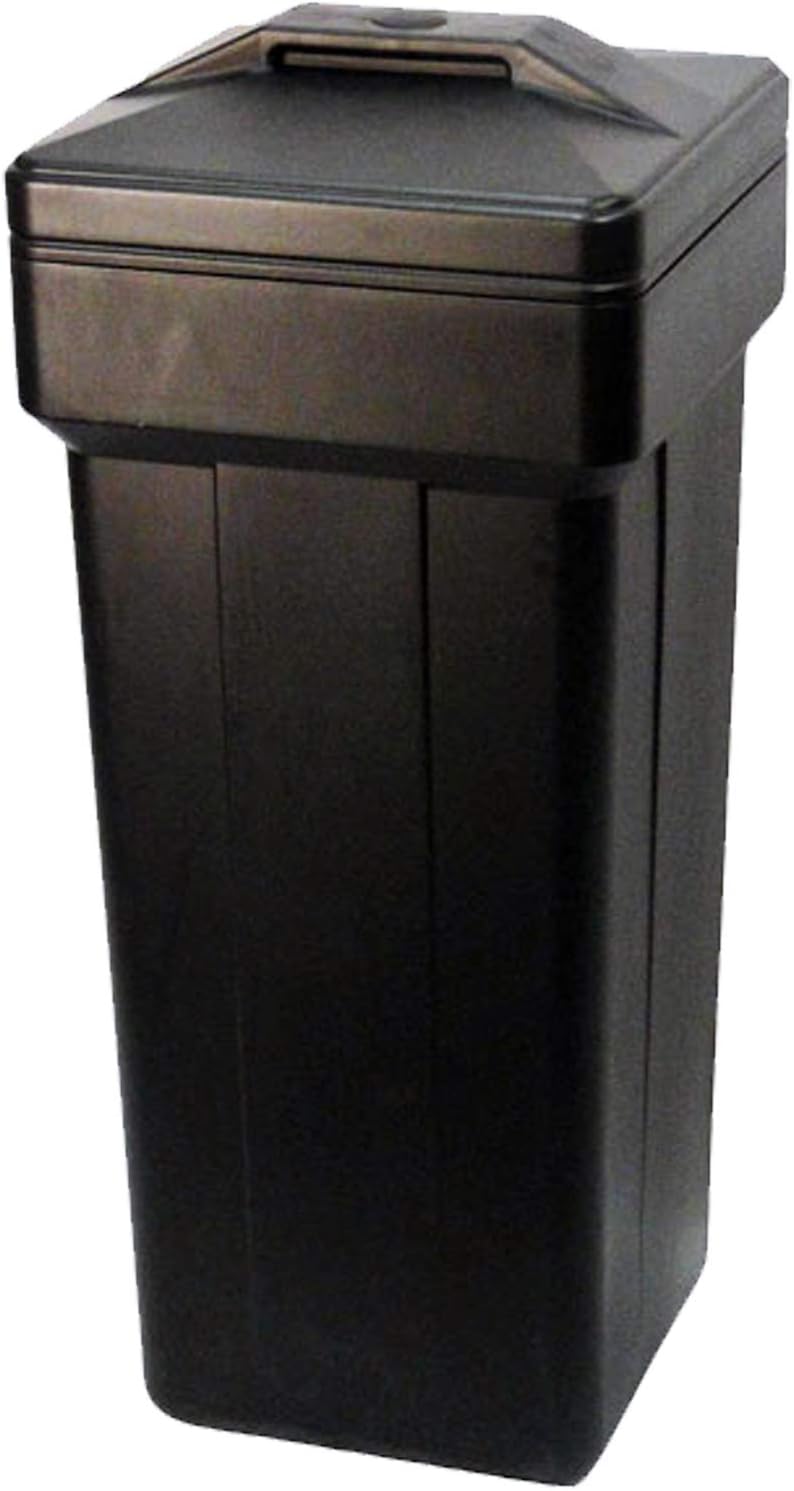
Are you trying to decide if the AFWFilters 5600sxt Metered On-demand 48,000 Grain Water Softener with brine tank, bypass and 1″ adapters is the right choice for your home?

Overview of the AFWFilters 5600sxt Metered On-demand 48,000 Grain Water Softener
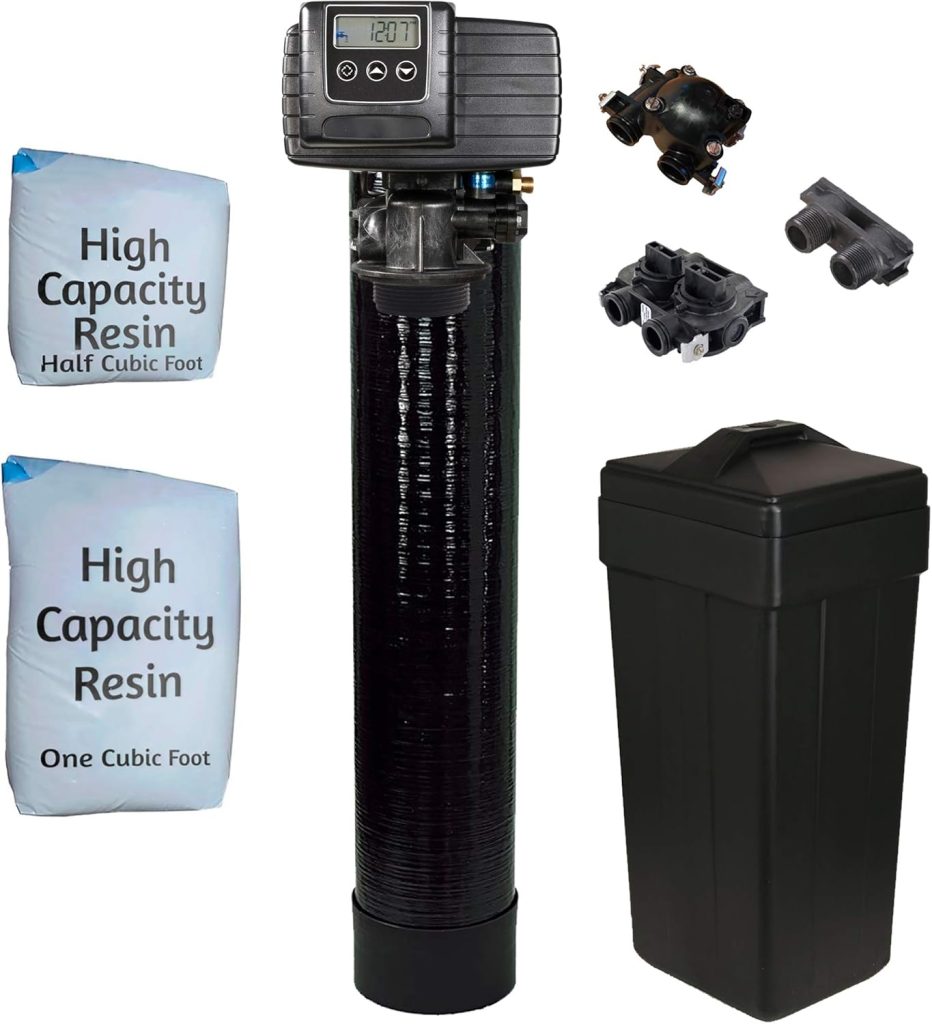
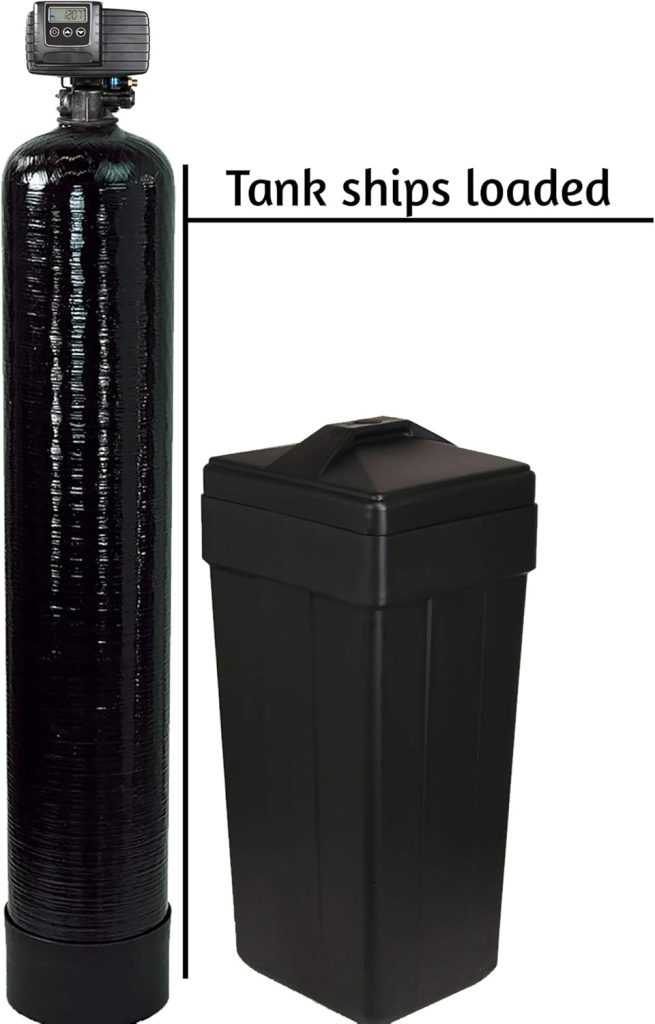
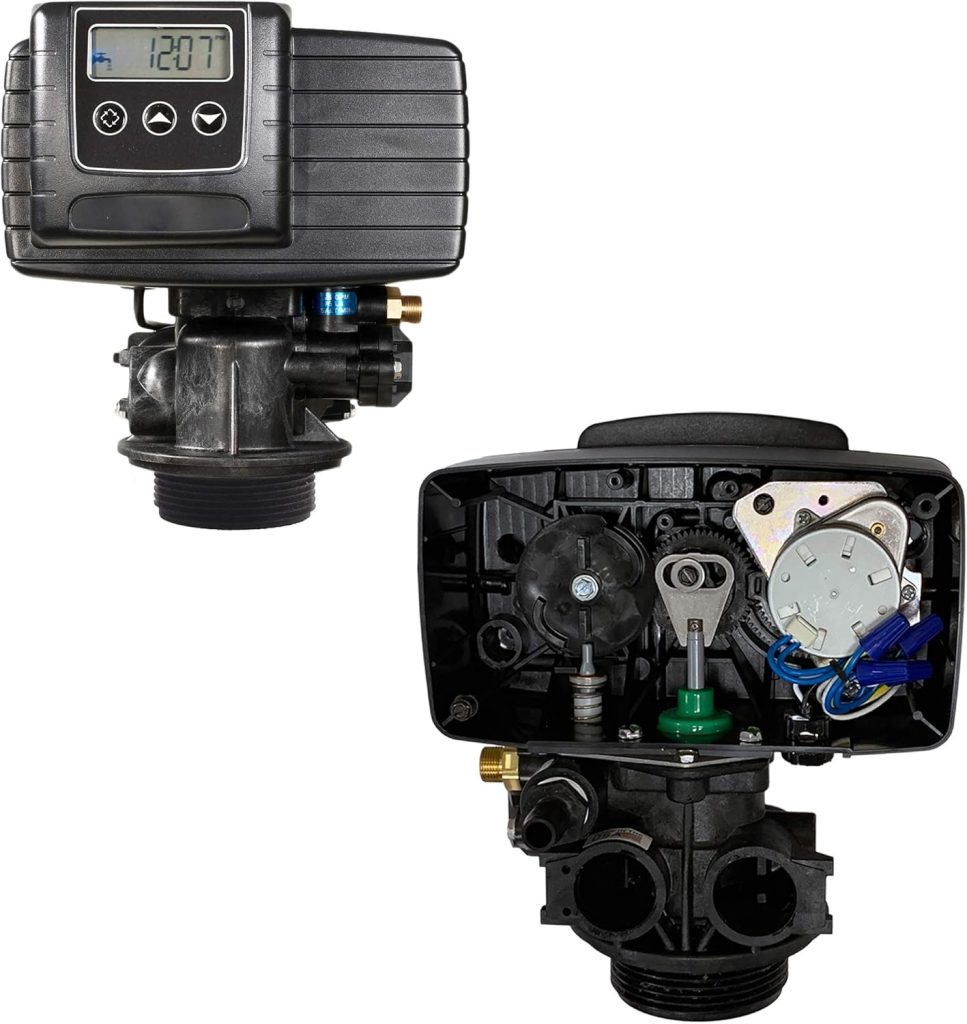
You’re looking at a whole-house softener that promises a high grain capacity and a smart metered control valve. This system is built around a 5600SXT-style control head and offers on-demand regeneration, a brine tank, bypass, and 1″ adapters for plumbing connections.
What the product aims to do
This unit is designed to reduce hard water minerals like calcium and magnesium to protect plumbing, appliances, and to make soap and detergents work more effectively. It aims to give you soft water continuously while minimizing salt and water used during regenerations.
Key features summarized
The headline features are the 48,000 grain capacity, the metered on-demand regeneration controlled by the 5600SXT valve, an included brine tank and a bypass valve, plus 1″ adapters to simplify installation. The product description also notes that the unit is engineered with double backwash, which improves resin cleaning during regeneration cycles.
Specifications and technical breakdown
Below is a concise table to help you quickly understand the main technical points and what they mean for your household.
| Feature | Details and what it means to you |
|---|---|
| Product name | AFWFilters 5600sxt Metered On-demand 48,000 Grain Water Softener with brine tank, bypass and 1″ adapters |
| Grain capacity | 48,000 grains — indicates how much hardness the system can remove between service events; higher capacity means fewer regenerations if your household uses a lot of water or your water is very hard. |
| Control valve | 5600SXT-style metered control — measures your actual water usage and triggers regeneration only when needed, saving salt and water compared to fixed-cycle timers. |
| Regeneration type | On-demand (metered) — regenerates based on usage rather than a calendar schedule, which is more efficient and offers softer water longer between cycles. |
| Brine tank | Included — holds the salt needed for regeneration; check salt compatibility and fill levels regularly. |
| Bypass valve | Included — lets you isolate the softener for maintenance without shutting off whole-house water; handy during service or emergencies. |
| Adapters | 1″ adapters included — designed to fit typical 1″ plumbing, which speeds up installation for homes with compatible pipe sizes. |
| Double backwash | Engineered with double backwash — improves resin cleaning by agitating the resin bed more thoroughly during regeneration, helping prevent channeling and keeping efficiency high. |
| Typical uses | Whole-house softening for single-family homes or small multifamily units depending on water usage and hardness level. |
Clarifying the 48,000 grain capacity
A 48,000 grain rating is the amount of hardness the softener can remove before it needs a full regeneration. You should base whether this is sufficient on your household size, average daily water use, and your water hardness in grains per gallon (gpg). Knowing this helps you estimate how often the unit will regenerate and how much salt and water you’ll use.
How the 5600SXT metered on-demand valve benefits you
You’ll appreciate the metered approach because it regenerates based on actual usage rather than a pre-set schedule. That means less waste, particularly if you’re away or vary water use day-to-day, and it generally reduces salt and water consumption compared with clocks or day-timers.
What metered regeneration looks like in daily life
When you run showers, do laundry, or use the dishwasher, the valve tallies water flow and only triggers regeneration when the resin’s capacity has been approached. You’ll get softer water for the interval you need and fewer unnecessary regenerations during periods of low use.
Why the 5600SXT control matters
The 5600SXT is a common, proven valve type that’s user-programmable and widely supported. If you ever need parts or service, you’ll find options and community knowledge more readily available than for proprietary valves.
The brine tank, bypass, and adapters: practical considerations
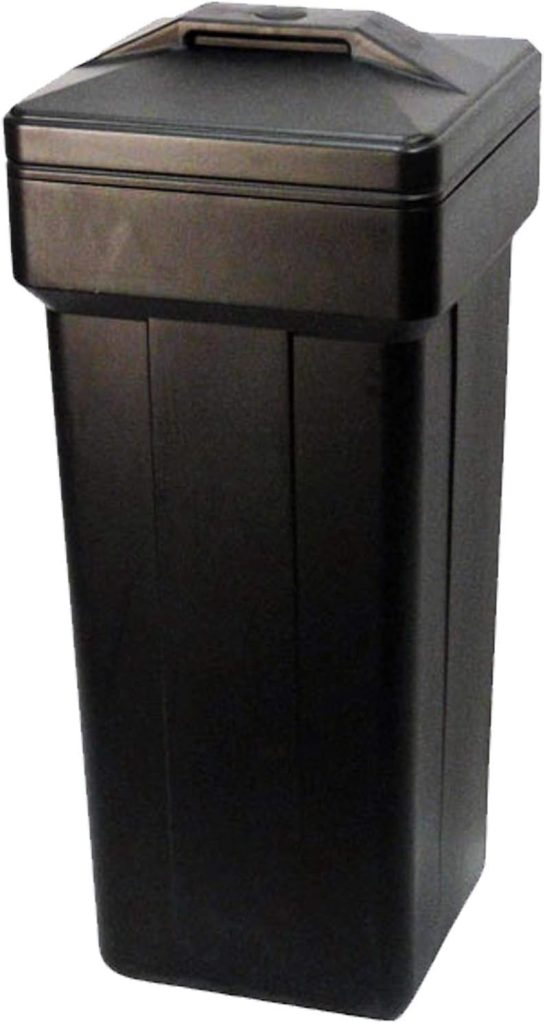
You get a brine tank included, which is where you add salt for regeneration. The bypass lets you isolate the softener for maintenance or in case you want to temporarily use untreated water, while 1″ adapters help the unit match your home plumbing.
Brine tank upkeep and salt management
You’ll need to check and add salt periodically; salt usage depends on your hardness and how often the unit regenerates. Keeping the salt topped up and free from crust or bridging helps ensure reliable regenerations and avoids brine tank problems.
Using the bypass valve
A bypass valve is convenient when you need to work on the system or if you want to use untreated water for outdoor chores. You’ll find it saves time and avoids the need to shut off the main water supply when servicing the softener.
Why 1″ adapters are handy
If your home’s supply lines are 1″, the included adapters reduce the need for additional fittings and make installation cleaner and faster. If your pipes are a different size, you’ll need appropriate fittings or a plumber to adapt the connections.
What “Engineered with double backwash” means for performance
Double backwash is a regeneration step intended to more thoroughly clean the resin bed by agitating it twice during the backwash stage. This helps flush out iron, sediment, and other debris to keep the resin functioning efficiently and reduce channeling.
Practical benefits of double backwash
You’ll likely see more consistent softening performance over time and potentially longer intervals between resin maintenance or replacement. Better resin cleaning also helps the system maintain efficiency in salt and water use.
When double backwash matters most
If your water has iron, tannins, or significant sediment, double backwash can be especially beneficial. It helps prevent fouling of the resin, which would otherwise reduce capacity and require more frequent regenerations or earlier resin replacement.
Installation basics and what to expect
You can install this system yourself if you’re comfortable with basic plumbing and following manufacturer instructions, especially since the unit includes adapters and a bypass. If you’re unsure or if your plumbing is complex, hiring a licensed plumber ensures correct installation, proper bypass setup, and leak-free connections.
Step-by-step summary of a typical install
You’ll start by positioning the tank and brine tank near a drain and power outlet, connect inlet and outlet piping using the provided 1″ adapters, set up the bypass, and program the 5600SXT control to match your water hardness and household usage. Finally, you’ll add salt to the brine tank and run an initial regeneration to put the resin into service.
Things to check after installation
After installation, you should check for leaks, confirm the bypass works, verify the brine tank has salt and is forming brine during regeneration, and make sure the valve is set to your hardness and regeneration settings. Running a test regeneration and checking water hardness before and after the softener will confirm proper operation.
Sizing the softener for your household
To know whether 48,000 grains is the right capacity for you, calculate the daily grain removal required and multiply by the number of days you want between regenerations. The formula is straightforward and helps you match system capacity to lifestyle.
Sizing formula and example
Use this formula: Household daily grain demand = (gallons per person per day) × (number of people) × (grains per gallon hardness). Multiply by preferred days between regenerations to get required capacity. For example, if you have 4 people using 75 gallons each per day and your water hardness is 10 gpg: 75 × 4 × 10 = 3,000 grains per day. If you want a 7-day reserve, you need about 21,000 grains — a 48,000 grain system gives you plenty of headroom.
How to adjust for real-world variables
If you use a lot of water for irrigation, have high appliance use, or your hardness is higher than typical, increase the target capacity or plan for more frequent regenerations. The metered valve helps optimize regenerations, but upfront sizing reduces salt and water waste and improves convenience.
Performance expectations and what affects them
You should expect consistent reduction in hardness when the system is properly sized and maintained. Factors that can affect performance include resin condition, iron or manganese in the feed water, salt type and levels, and correct programming of the control valve.
How resin condition affects outcomes
Over time resin can become fouled by iron or organic contaminants, or lose capacity through aging. Regularly checking water hardness and periodic resin cleaning (or replacement when needed) keeps performance reliable.
Salt quality and its impact
Use a high-quality salt (like solar salt, evaporated salt, or pellet salt recommended by the manufacturer) to reduce bridging and sludge formation in the brine tank. Poor salt can increase maintenance and reduce system efficiency.
Maintenance schedule and tips
Keeping your softener running well is mostly about routine checks: salt level, occasional cleaning, verifying the valve operation, and testing water hardness. A simple maintenance routine will extend the system’s life and keep your water soft consistently.
Recommended maintenance tasks
Check salt monthly and top up as needed, inspect the brine tank for bridging twice a year, visually inspect plumbing and connections regularly, and do a hardness test every few months or anytime you suspect performance issues. Perform resin cleaning or add cleaning agents if manufacturer guidance suggests doing so for iron/troublesome feed water.
Long-term care considerations
Expect to replace resin after many years if it becomes degraded, and keep electronic valve parts dry and protected since moisture can cause failures. If you plan to be away for an extended period, you can set the control to a regeneration schedule or ask someone to periodically check salt levels.
| Maintenance Task | Frequency | Notes |
|---|---|---|
| Salt level check | Monthly | Top up before salt drops below half-full to avoid air pockets and bridging. |
| Brine tank inspection | Every 6 months | Look for salt bridging or sludge; empty and clean only if recommended by manufacturer. |
| Hardness test | Every 3 months or if performance changes | Quick test strips or digital testers work; helps catch resin or valve issues early. |
| Control valve check | Annually | Inspect for leaks, ensure programming is correct, and check for error codes. |
| Resin replacement | Varies (often 10-15 years) | Depends on water quality and maintenance; replace if capacity falls or resin fouls irreversibly. |
Troubleshooting common issues
You’ll likely be able to fix most minor problems yourself, but some require a plumber or service tech. Understanding common symptoms helps you identify root causes faster and decide when to call for help.
Hard water after installation or between cycles
If hardness appears in softened water, check that the bypass valve isn’t accidentally open, confirm the valve programming and that a recent regeneration completed, and test for resin fouling or channeling. Also verify that the brine tank has adequate salt and that the brine line and injector aren’t clogged.
Salt bridging and low salt consumption
If salt forms a crust or bridging in the brine tank, water can’t reach the salt to form brine and regeneration will be ineffective. Break up any salt bridges carefully and consider changing salt type or frequency of checks to prevent recurrence.
Strange tastes or odors
If water has odd tastes or odors after softening, it might not be from the softener itself; check home plumbing and municipal notices. If the brine tank has old or poor-quality salt, impurities can sometimes cause issues — inspect and clean the tank if needed.
| Symptom | Possible cause | What you can try |
|---|---|---|
| Hard water coming from faucets | Bypass open, programming error, resin fouling | Check bypass, confirm settings, run a manual regeneration, test hardness pre/post. |
| High salt use | Overly frequent regenerations, wrong settings | Check programming, reduce reserve capacity if set too high, confirm meter calibration. |
| Bridged salt | Poor salt quality, infrequent checks | Break bridge, use pellet/evaporated salt, check monthly. |
| Continuous flow to drain during service | Control head fault or valve stuck | Inspect valve for debris, check for error codes, contact support if unresolved. |

Pros and cons based on typical user experience
You’ll want to weigh the advantages like metered efficiency and included components against considerations such as installation needs and potential maintenance.
Pros
- Metered regeneration saves salt and water compared with timer-based systems, so you’ll get efficiency.
- The 48,000 grain capacity provides ample headroom for medium to large households and reduces regeneration frequency.
- Included brine tank, bypass, and 1″ adapters simplify setup and reduce additional purchases.
- Double backwash improves resin cleaning, especially when feed water contains iron or sediment.
Cons
- If your plumbing is not 1″, you’ll need extra fittings or plumber work to adapt connections.
- Some homeowners prefer all-in-one systems with resin and tank preconfigured by the OEM; this product’s valve and accessories approach may require more hands-on setup.
- If you have very high iron or organic fouling, you may need pre-treatment filters in addition to the softener for best long-term results.
Who should consider the AFWFilters 5600sxt unit?
If you want a reliable, efficient whole-house softener with a proven control valve and solid capacity, this model is a good candidate. You’ll benefit most if you want metered regenerations to save salt and water, and if you have moderate-to-high household water use.
Ideal customer scenarios
You’ll appreciate this unit if you have a family home with hard water that needs consistent softening, if you value reduced operational waste, or if you prefer a system built with standard, replaceable components. It’s also suitable if you’re comfortable with some DIY plumbing or can arrange a plumber for setup.
When to consider alternatives
If your home plumbing is incompatible without significant modification, or if your water is extremely fouled with iron, manganese, or organics, you might need pre-treatment or a different system tailored to those contaminants. For very small households or mobile homes, a smaller capacity unit could be more cost-effective.
Comparison to similar systems
When comparing this unit to other 48,000 grain systems, you’ll want to look at control valve type, brine tank size, included accessories, and whether the unit uses advanced features like double backwash. The 5600SXT valve offers broad compatibility and user familiarity compared with proprietary valves.
What sets this product apart
The combination of metered 5600SXT control, double backwash engineering, and included bypass and adapters makes the system a practical choice for many homeowners. You’ll often find that similar systems either omit the bypass or charge more for comparable accessories.
When another brand might be better
If you want a compact or stackable tank design, a different brand’s resin type, or a proprietary remote-control app interface, another model might suit you better. Also consider local dealer support and warranties when comparing choices.
Warranty and support considerations
You’ll want to check the specific warranty and support details on the seller’s page before purchase. The valve, tank, and resin may have differing warranty coverage, and valve replacement parts are commonly available due to the 5600SXT’s popularity.
How to get service and parts
Because the 5600SXT is a widely used control head, replacement parts and community troubleshooting resources are generally easy to find. Keep your purchase details and product documentation handy to expedite warranty claims or part orders if needed.
Buying tips and checklist
Before you buy, make sure you know your water hardness, household daily water use, pipe sizes, and where you’ll place the unit relative to drains and power outlets. These details keep installation smooth and reduce unexpected expenses.
Quick pre-purchase checklist
- Test water hardness (gpg).
- Measure inlet pipe diameter (is it 1″?).
- Confirm space near drain and electrical outlet.
- Decide if you’ll DIY install or hire a plumber.
- Check seller’s return policy and warranty terms.
Final verdict and practical recommendation
If you want efficient, on-demand softening with a reputable control valve, and you’re ready to handle basic installation or hire someone to do it, the AFWFilters 5600sxt Metered On-demand 48,000 Grain Water Softener with brine tank, bypass and 1″ adapters is a strong option. You’ll benefit from the metered regeneration, the included components that simplify setup, and the double backwash feature that helps the resin stay cleaner longer.
Closing recommendation
Take time to measure your hardness and daily water use so you can confirm that 48,000 grains meets your needs. If you’re unsure about plumbing compatibility or have special water contaminants, plan for pre-treatment or consult a water treatment professional before purchasing.
Frequently asked questions (short answers)
You’ll find answers here to common questions about installation, maintenance, and performance so you can decide confidently.
How often will this softener regenerate?
Regeneration frequency depends on your water use and hardness; the metered valve regenerates only when needed. With moderate use and typical hardness, you might see regenerations every few days to a week, but this varies with household specifics.
Can you install it yourself?
If you have basic plumbing skills and follow instructions, you can install it yourself. If you’re unsure about pipe connections, electrical access, or local code requirements, hiring a licensed plumber is recommended.
What salt should you use?
Use high-purity pellet or solar salt recommended by the manufacturer to minimize bridging and sludge buildup. Avoid low-quality rock salt if possible.
Will this remove iron or tannins?
This softener reduces hardness but isn’t primarily designed for iron or tannin removal. If your water has significant iron, manganese, or organics, you should consider pre-treatment or filters specifically designed for those contaminants.
If you want, I can help calculate whether 48,000 grains is the right capacity for your household if you tell me your water hardness in grains per gallon and the number of people and average gallons per person per day.
Disclosure: As an Amazon Associate, I earn from qualifying purchases.