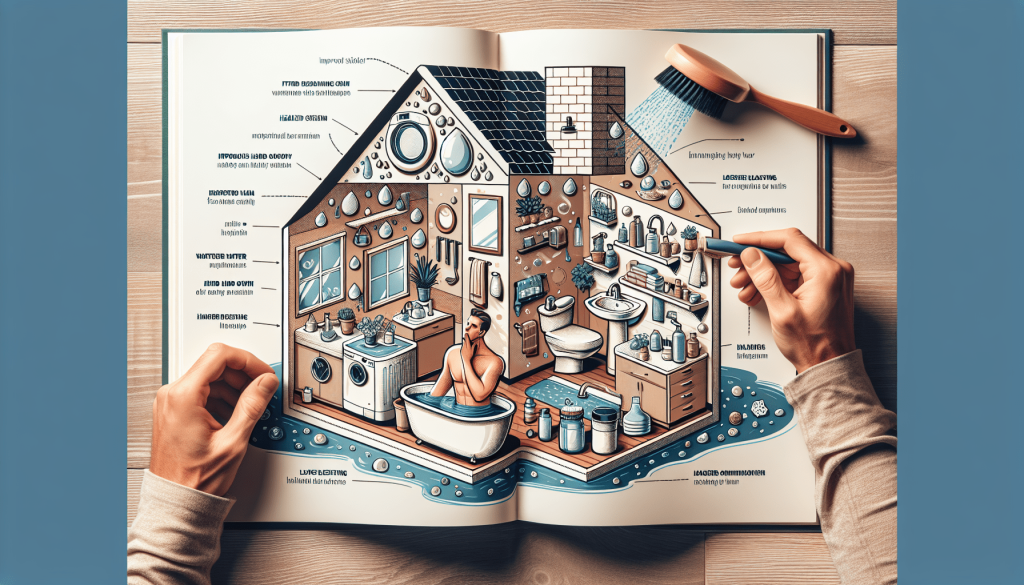
Imagine waking up in the morning and stepping into the shower, only to be greeted by hard water that leaves your skin feeling dry and your hair looking dull. The solution? A water softener. But what if you didn’t have one? Could you still live your daily life without the luxuries of softened water? In this article, we’ll explore the impact of living without a water softener and whether it’s truly a necessity or just a convenience. So, grab a cup of coffee and let’s find out if you can survive without a water softener!
Understanding Water Softeners
What is a water softener?
A water softener is a device that is used to remove minerals like calcium and magnesium from hard water. Hard water contains a high level of these minerals, which can cause a variety of issues in your home. By using a water softener, you can ensure that the water running through your pipes is free from these minerals, leading to a range of benefits.
How does a water softener work?
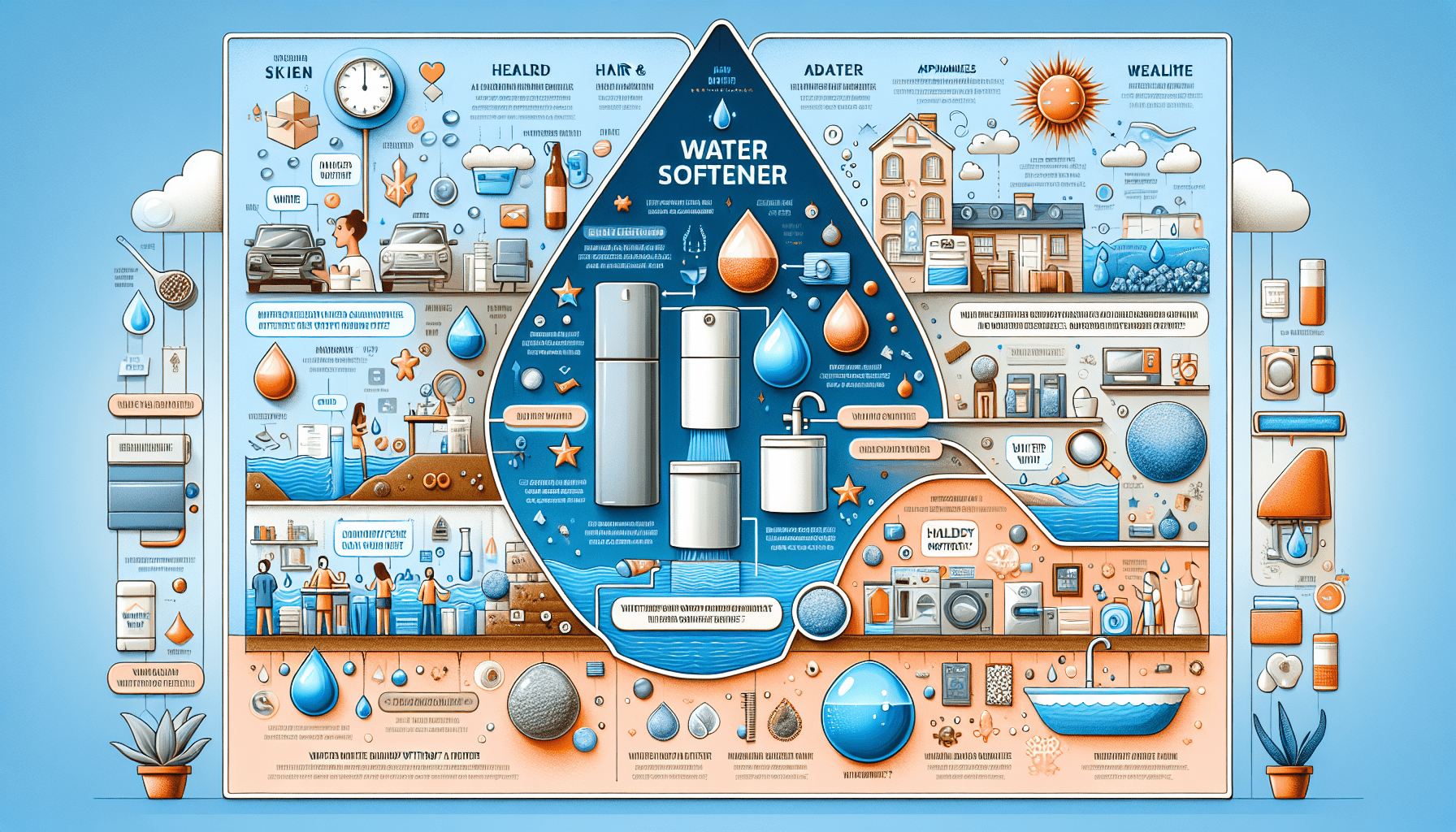
Water softeners work through a process called ion exchange. Inside the water softener, there is a tank filled with resin beads that are coated with sodium ions. As the hard water flows into the softener, the resin beads attract the calcium and magnesium ions, while releasing sodium ions into the water. This exchange effectively removes the minerals from the water, leaving it softened and ready for use.
Benefits of using a water softener
Using a water softener can provide a multitude of benefits for both you and your home. Firstly, soft water is kinder to your skin and hair, as it doesn’t strip away natural oils like hard water does. This can result in softer, smoother skin and hair that is easier to manage. Additionally, soft water can prolong the lifespan of your appliances and plumbing by preventing scale buildup and clogs. Soft water also enhances the effectiveness of cleaning products, allowing for cleaner dishes, laundry, and surfaces. Lastly, soft water can improve the taste of drinking water, as it removes any unpleasant mineral tastes or odors.
Alternatives to Water Softeners
Salt-free water conditioners
For those who are concerned about the sodium content in softened water, salt-free water conditioners offer a viable alternative. These systems use a different technology, often referred to as Template Assisted Crystallization (TAC), to neutralize the minerals in hard water without adding any sodium. While salt-free water conditioners may not provide the same level of water softening as traditional water softeners, they are still effective at reducing scale buildup and improving the quality of your water.
Magnetic or electronic water conditioners
Magnetic or electronic water conditioners claim to soften water through the use of magnetic or electronic fields. These devices are installed on the outside of your pipes and are said to alter the structure of the minerals in hard water, making them less likely to cause issues. However, the effectiveness of these devices is often debated, with some users reporting positive results and others seeing no change. It’s important to research and consider different brands and models before investing in a magnetic or electronic water conditioner.
Reverse osmosis systems
Reverse osmosis systems are another alternative to water softeners. These systems work by using a semi-permeable membrane to remove impurities and minerals from water. While reverse osmosis systems can effectively soften water, they tend to be more expensive and require more maintenance than traditional water softeners. Additionally, they may also remove some essential minerals from the water, so it’s important to consider if this is a concern for your health.
Chemical water treatments
Chemical water treatments, such as phosphate or citric acid-based products, are another option for dealing with hard water. These treatments are added directly to the water and work by sequestering the minerals and preventing them from causing issues. While chemical water treatments can be effective, they do require continuous application to maintain their effectiveness. Additionally, some treatments may introduce chemicals into the water that you may prefer to avoid.

The Effects of Hard Water
Scale buildup in pipes and appliances
One of the most noticeable effects of hard water is the buildup of scale in pipes and appliances. As hard water flows through your plumbing system, the minerals in the water accumulate and form a hard, chalky substance known as scale. Over time, this scale can restrict water flow, cause clogs, and even damage your pipes and appliances, leading to costly repairs or replacements.
Reduced effectiveness of cleaning products
Using hard water with your cleaning products can significantly reduce their effectiveness. The minerals in hard water can react with the ingredients in cleaning agents, preventing them from fully dissolving or lathering. This can result in streaky dishes, dull laundry, and surfaces that never seem truly clean. By using a water softener, you can eliminate this issue and achieve cleaner, more efficient results when cleaning your home.
Staining on fixtures and clothing
Hard water can also cause staining on fixtures and clothing. The minerals in the water can react with soap or detergent, leaving behind a residue that can darken or discolor surfaces. This can be particularly noticeable on faucets, showerheads, and other bathroom fixtures. Additionally, hard water can cause clothing to appear dull or discolored even after washing. Softening your water can help prevent these unsightly stains and keep your fixtures and clothing looking their best.
Dry skin and hair
Perhaps one of the most personal effects of hard water is the impact it has on your skin and hair. Hard water can strip away the natural oils on your skin and scalp, leaving them dry, itchy, and prone to irritation. It can also make your hair feel brittle and difficult to manage. By using a water softener, you can avoid these issues and enjoy softer, more moisturized skin and hair.
Pros and Cons of Using a Water Softener
Advantages of using a water softener
- Soft water is gentler on your skin and hair, leaving them feeling smoother and more manageable.
- Soft water can prolong the lifespan of your appliances and plumbing by preventing scale buildup and clogs.
- Cleaning products work more effectively with soft water, resulting in cleaner dishes, laundry, and surfaces.
- Soft water improves the taste and odor of drinking water by removing any mineral impurities.
Disadvantages of using a water softener
- Water softeners require regular maintenance, such as replenishing salt or cleaning the system.
- Softened water may have a slightly elevated sodium content, which may be a concern for those on a low-sodium diet.
- The initial cost of purchasing and installing a water softener can be expensive, especially for larger homes.
- Softened water may not be suitable for certain household uses, such as watering plants or filling pools.

Factors to Consider
Water hardness level
Before deciding on whether to invest in a water softener, it’s important to determine the hardness level of your water. This information can be obtained through water testing kits or by contacting your local water utility. Understanding the hardness level will help you gauge the severity of the issues caused by hard water and determine if a water softener is necessary.
Budget
Another important factor to consider is your budget. Water softeners vary in price depending on factors such as capacity, features, and brand. It’s essential to set a budget and research different options to ensure you find a water softener that meets your needs without breaking the bank. Additionally, don’t forget to factor in ongoing costs, such as maintenance and salt replenishment.
Maintenance requirements
Water softeners require regular maintenance to ensure they continue to function effectively. This includes tasks such as cleaning the resin tank, adding salt, and occasionally sanitizing the system. Before purchasing a water softener, consider the level of maintenance you are willing to commit to and choose a system that aligns with your preferences and lifestyle.
Environmental impact
It’s also worth considering the environmental impact of using a water softener. Traditional water softeners require the use of salt, which eventually ends up in wastewater and can harm the environment if not properly managed. However, there are eco-friendly alternatives available, such as salt-free water conditioners, that can lessen the environmental impact while still providing benefits.
Who Needs a Water Softener?
Areas with very hard water
If you live in an area with consistently high levels of calcium and magnesium in the water, a water softener can be highly beneficial. These areas are known for their “hard water” and are more prone to issues such as scale buildup, stained fixtures, and dry skin. By investing in a water softener, you can mitigate these problems and enjoy the benefits of soft water.
Individuals with skin conditions or sensitive skin
If you or someone in your household has skin conditions or sensitive skin, a water softener can make a significant difference. Hard water can exacerbate skin conditions like eczema, psoriasis, or dry skin, causing discomfort and irritation. Soft water, on the other hand, is gentle and can help soothe and moisturize sensitive skin, providing relief from these conditions.
Those who want to preserve the lifespan of appliances
If you want to prolong the lifespan of your appliances and plumbing system, a water softener is a wise investment. Scale buildup from hard water can damage water heaters, dishwashers, washing machines, and other household appliances over time. By reducing mineral deposits through water softening, you can extend the lifespan of these costly items and save yourself from the inconvenience of breakdowns and repairs.
People who want to improve the taste of drinking water
The taste and odor of drinking water can be adversely affected by high mineral content. If you find your tap water has an unpleasant flavor or smell, a water softener can help. Softening the water removes minerals that can contribute to these issues, resulting in improved taste and odor. This can encourage you to drink more water and ensure that the water you consume is clean and refreshing.

Living Without a Water Softener
Using alternative methods
If you’re unable to invest in a water softener or prefer not to use one, there are alternative methods to address hard water issues. Salt-free water conditioners, magnetic or electronic water conditioners, and reverse osmosis systems can help reduce the effects of hard water, although they may not provide the same level of softening as a traditional water softener. It’s essential to research and choose a method that aligns with your needs and preferences.
Adapting cleaning routines
Another way to cope with hard water is to adapt your cleaning routines. Using specific cleaning products designed for hard water can help combat the issues caused by mineral buildup. Additionally, adjusting cleaning techniques, such as using vinegar to remove scale or scrubbing fixtures regularly, can help minimize the impact of hard water on your surfaces.
Installing filters on faucets and showerheads
Installing filters on faucets and showerheads is a simple and cost-effective way to reduce the effects of hard water on specific areas of your home. These filters are designed to remove impurities and minerals from the water, resulting in softer water for washing and bathing. While this doesn’t address the issue of hard water throughout your entire plumbing system, it can provide some relief in commonly used areas.
Conclusion
When it comes to deciding whether to live with or without a water softener, it’s important to consider all the factors at play. Understanding the effects of hard water, the benefits and drawbacks of water softeners, and the alternatives available can help you make an informed decision. Assessing your water’s hardness level, budget, maintenance preferences, and environmental concerns will guide you in choosing the best solution for your home. Whether you choose to invest in a water softener or explore alternative methods, the ultimate goal is to enjoy the benefits of soft water and overcome the challenges of hard water.