Are you curious about whether water softeners are worth the investment? Look no further! In this article, we will explore the cost effectiveness of water softeners and uncover the benefits they offer. Find out how these devices can save you money in the long run by reducing the negative impact of hard water on your appliances, plumbing, and skin. Discover the potential savings and improved quality of life that water softeners can bring to your home.
Understanding Water Softeners
What are water softeners?
Water softeners are devices that are designed to remove minerals like calcium and magnesium from water, which are responsible for making the water “hard.” Hard water can cause various issues such as limescale buildup in appliances, plumbing problems, and even skin and hair issues. Water softeners aim to eliminate these problems by removing the minerals that cause water hardness.
How do water softeners work?
Water softeners typically use a process called ion exchange to remove minerals from the water. The softener tank is filled with resin beads that have a negative charge. As hard water passes through the tank, the minerals with a positive charge, such as calcium and magnesium, are attracted to the resin beads and stick to them. In exchange, sodium ions, which are added to the resin during a regeneration cycle, are released into the water, resulting in softened water that is free from the minerals that cause hardness.
What are the benefits of using water softeners?
Using water softeners comes with several benefits. Firstly, they help to protect your appliances and fixtures from the negative effects of hard water. Limescale buildup in appliances like water heaters, dishwashers, and washing machines can cause them to work less efficiently and result in higher energy bills. Water softeners prevent this buildup, thus extending the lifespan of these appliances. Secondly, soft water can have a positive impact on your skin and hair health. Many people notice that their skin feels softer and less irritated when using softened water. Lastly, water softeners can save you money in the long run by reducing your soap and detergent usage since soft water lathers more easily and requires less product.
What are the potential downsides of water softeners?
While water softeners offer many benefits, there are a few potential downsides to consider. One of the main concerns is the presence of sodium in the softened water. Since sodium ions are released into the water during the ion exchange process, people on low-sodium diets or with health conditions that require sodium restriction may need to consider alternative solutions. Additionally, the process of removing minerals from the water can lead to an increase in water usage and wastewater generation. It is important to properly maintain and recharge the resin beads to minimize these environmental impacts. Lastly, there is an ongoing operational cost associated with water softeners, including the purchase of salt or potassium tablets for regeneration and occasional maintenance or repairs.
Cost of Water Softeners
Upfront cost of purchasing a water softener
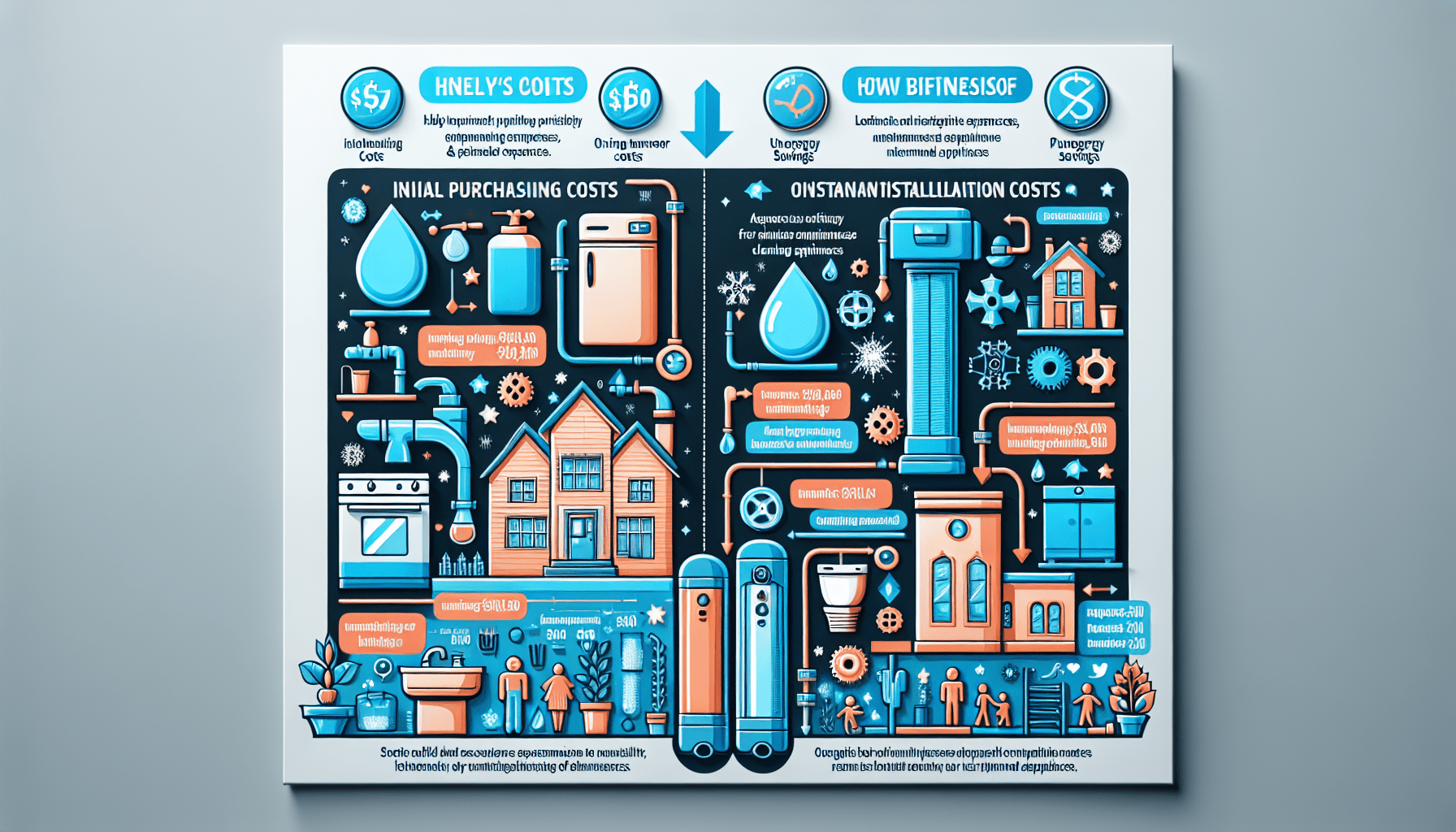
The upfront cost of purchasing a water softener can vary depending on the type and brand of softener you choose. Generally, water softeners range in price from a few hundred dollars for basic models to over a thousand dollars for more advanced systems. The size of the softener needed for your household, as well as any additional features or filtration capabilities, can also affect the cost.
Installation costs
In addition to the cost of the water softener itself, there may be installation costs to consider. While some homeowners may be comfortable installing a water softener themselves, others may prefer to hire a professional. Hiring a professional installer can ensure that the softener is set up correctly and can save you time and potential headaches. The cost of installation can vary depending on your location and the complexity of the installation.
Maintenance and operational costs
Water softeners require regular maintenance to ensure they continue to function effectively. This includes periodic regeneration of the resin beads, which typically involve adding salt or potassium tablets to the system. The frequency of regeneration will depend on your water usage and the size of your softener. Additionally, there may be occasional costs for repairing or replacing parts of the softener system. It’s important to factor in these ongoing costs when considering the overall cost-effectiveness of water softeners.
Comparing Water Softeners with Hard Water
Effects of hard water on appliances, fixtures, and plumbing
Hard water can have significant negative effects on appliances, fixtures, and plumbing systems. The minerals in hard water can lead to limescale buildup, which can clog pipes, reduce water flow, and decrease the efficiency of water-using appliances. Over time, limescale can cause irreversible damage and result in costly repairs or replacements.
Potential cost savings from preventing damage caused by hard water
By preventing limescale buildup, water softeners can help to prolong the lifespan of your appliances, fixtures, and plumbing systems. This can result in significant cost savings over time. Appliances like water heaters and dishwashers that are protected from the negative effects of hard water are likely to operate more efficiently, reducing energy consumption and potentially lowering utility bills.
Impact on cleaning products and detergents usage
Hard water can also impact the effectiveness of cleaning products and detergents. Soap and detergents do not lather as well in hard water, which means you may need to use more product to achieve the desired cleaning results. This can lead to higher costs for cleaning supplies. With softened water, you can reduce the amount of soap and detergent used, resulting in potential savings.
Impact on Energy Efficiency
Effects of hard water on energy efficiency of appliances
Hard water can cause appliances to work harder and less efficiently, leading to increased energy consumption. The buildup of limescale in appliances like water heaters and washing machines creates an insulating layer that decreases heat transfer and reduces efficiency. Water softeners can prevent this buildup, allowing appliances to operate at their optimal efficiency and potentially reducing energy usage.
Energy savings from using water softeners
By improving the energy efficiency of appliances, water softeners can lead to energy savings and lower utility bills. When appliances work efficiently, they require less energy to perform their functions, resulting in reduced electricity or gas usage. Over time, these energy savings can add up and contribute to the overall cost-effectiveness of water softeners.

Longevity of Appliances and Plumbing
Effects on the lifespan of water heaters, dishwashers, and washing machines
The extended lifespan of appliances and plumbing systems is one of the significant benefits of using water softeners. Limescale buildup in water heaters, dishwashers, and washing machines can cause them to break down prematurely. By preventing limescale buildup, water softeners can help appliances and plumbing systems last longer, reducing the need for costly repairs or replacements.
Potential cost savings from increased lifespan of appliances
The longer lifespan of appliances and plumbing systems can result in significant cost savings. By avoiding premature replacements, homeowners can save money and allocate their funds to other priorities. Additionally, the reduced likelihood of breakdowns or malfunctions can minimize the inconvenience and expenses associated with emergency repairs.
Health Benefits
Impact on skin and hair health
Softened water can have noticeable benefits for your skin and hair health. Hard water can leave a residue on your skin, causing dryness, irritation, and even skin conditions like eczema. Softened water, which is free from the minerals that contribute to hardness, can leave your skin feeling smoother and more moisturized. Similarly, softened water can prevent hair from becoming dry, brittle, and frizzy, contributing to healthier-looking hair.
Reduced need for skincare and haircare products
Using softened water can also reduce the need for excessive skincare and haircare products. The residue left by hard water can interfere with the effectiveness of these products, leading to the need for higher quantities. With softened water, your skincare and haircare products can work more effectively, allowing you to use less and save money in the long run.
Savings on healthcare costs related to skin conditions
By improving the health of your skin and preventing issues like dryness and irritation, water softeners can potentially lead to savings on healthcare costs. Treating skin conditions or managing the symptoms of skin problems can be expensive. By preventing these issues from arising in the first place, you may be able to reduce your reliance on costly treatments and medications.

Water and Soap Usage
Reduced soap and detergent usage
Softened water lathers more easily and requires less soap or detergent to achieve the desired results. In contrast, hard water can be resistant to lathering, leading to the need for higher amounts of soap or detergent. By using softened water, you can reduce your soap and detergent usage, potentially saving money on these household supplies.
Water conservation and associated cost benefits
Another important aspect of using water softeners is the potential for water conservation. Softened water can lead to more effective cleaning, reducing the need for repeated washes or rinses. With less water usage, you can save money on your water bills and contribute to environmental conservation efforts by reducing your water consumption.
Financial Considerations
Calculating the return on investment
When evaluating the cost-effectiveness of water softeners, it is essential to calculate the return on investment (ROI). Consider the initial installation and purchase costs, ongoing maintenance expenses, and potential savings from increased appliance lifespan, reduced energy usage, and lower soap and detergent usage. By comparing these costs and benefits over the projected lifespan of the water softener, you can determine if it is a worthwhile investment for your specific circumstances.
Potential increase in property value
In some cases, having a water softener installed can increase the value of your property. Potential buyers often consider the presence of water softeners as a desirable feature and may be willing to pay more for a home that already has one in place. While the value increase will vary depending on the real estate market and location, it is worth considering the potential financial benefit if you plan to sell your property in the future.
Comparison of costs with alternative solutions
Water softeners are not the only solution for dealing with hard water. Alternatives like water conditioners or magnetic descalers may seem more cost-effective initially, but they may not offer the same long-term benefits. Comparing the costs and effectiveness of various solutions can help you make an informed decision about which option is best for you in terms of both financial considerations and desired results.
Environmental Impact
Effect of water softeners on the environment
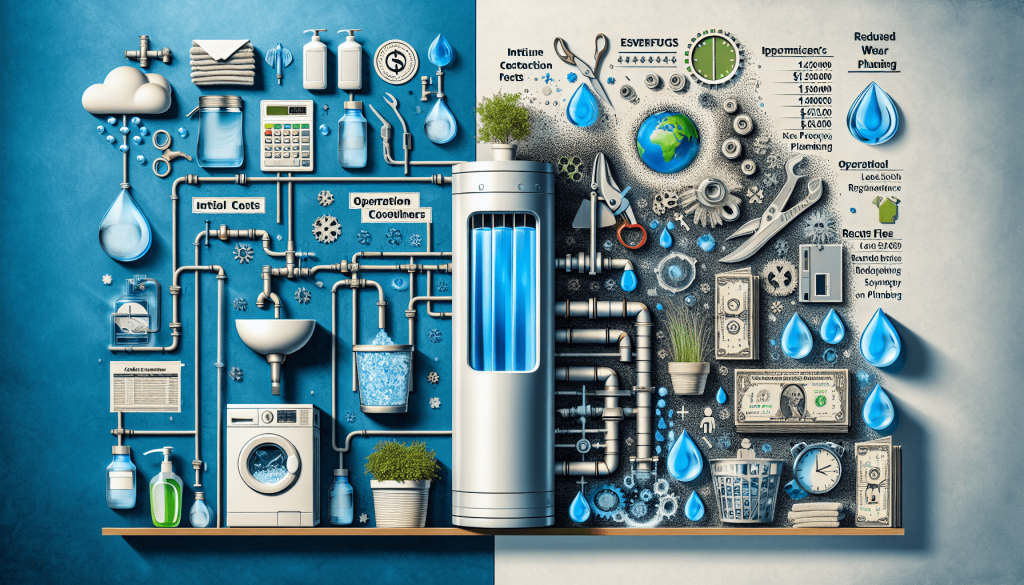
While water softeners can bring many benefits, they also have an environmental impact to consider. The regeneration process of water softeners involves flushing out the minerals captured by the resin beads, resulting in increased water and salt usage. This leads to increased wastewater generation and the need for salt to recharge the system. It is important to follow proper maintenance practices and use eco-friendly regeneration options to minimize these environmental effects.
Potential sustainability benefits
Despite the environmental impact, there are potential sustainability benefits associated with water softeners. By preventing limescale buildup and extending the lifespan of appliances, water softeners can help reduce the overall demand for new appliances, ultimately reducing waste. Additionally, the lower energy consumption resulting from the efficient operation of appliances can contribute to reduced carbon emissions, supporting efforts to combat climate change.
Conclusion
In conclusion, water softeners can be a cost-effective solution for dealing with hard water, depending on your specific circumstances and priorities. They offer various benefits, including protecting appliances, improving skin and hair health, reducing soap and detergent usage, and potentially increasing the lifespan of your appliances. However, it is essential to consider the upfront costs, ongoing maintenance expenses, and potential environmental impact when evaluating the overall cost-effectiveness. By carefully weighing these factors and considering your individual needs, you can make an informed decision about whether investing in a water softener is the right choice for you.