


Have you ever noticed soap scum, dry skin, or scale buildup and wondered whether a whole-house softener could actually fix those problems?

Quick verdict
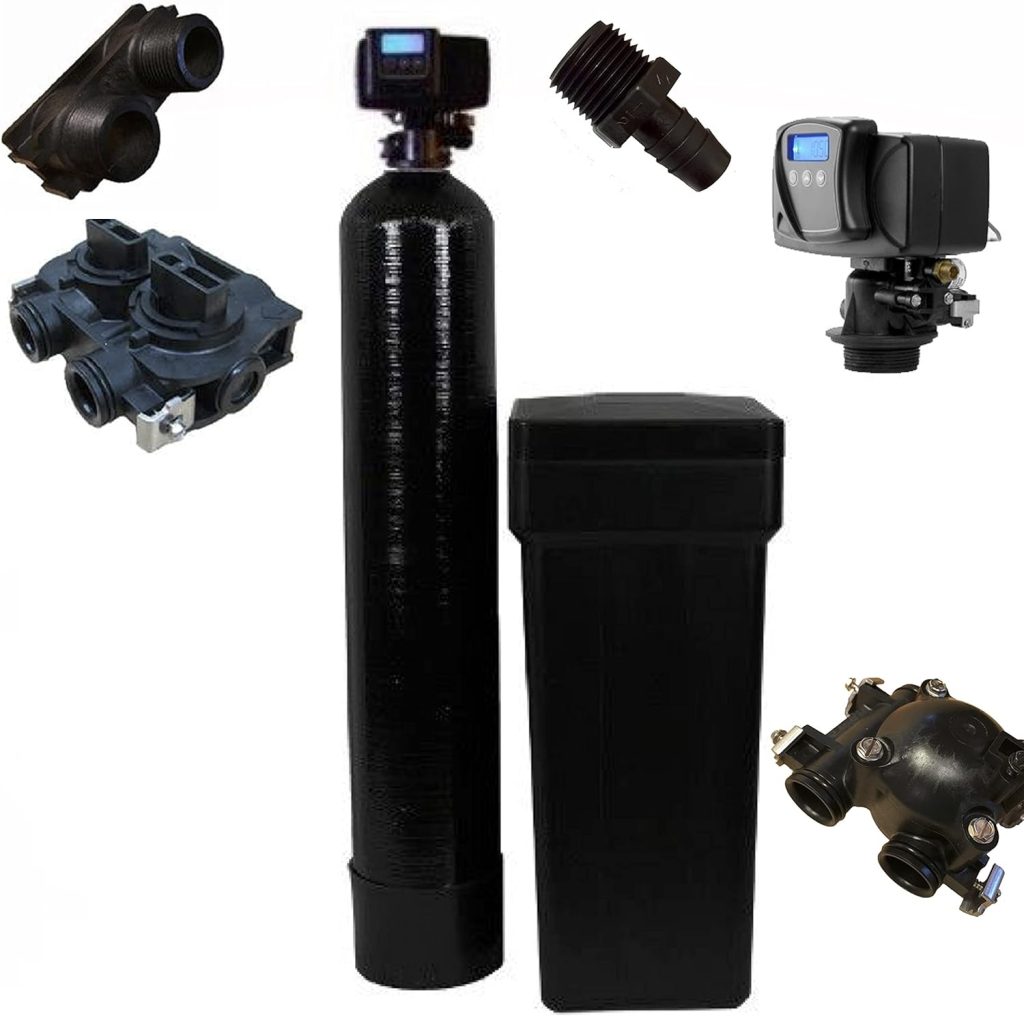
You’ll find the DURAWATER Fleck 5600 SXT Whole House Water Softener 48,000 Grains Ships Loaded with Resin in Tank, Black is a solid mid-range solution if you want reliable hard water reduction for a typical family. It arrives preloaded with resin, uses the well-regarded Fleck 5600 SXT valve, and includes practical accessories so you can get it running without hunting for parts. You’ll appreciate the balance between performance and value, but there are a few installation and sizing details to watch.
Product overview
You’re looking at a system built around the Fleck 5600 SXT control head and a 48,000-grain capacity mineral tank that ships preloaded with 1.5 cubic feet of high-capacity resin. The kit includes a USA brine tank with safety float and a free 1-inch Noryl plastic bypass, which helps you bypass the softener for maintenance or particular appliances. The black finish keeps it unobtrusive in a utility area.
What’s included in the box
You’ll get the mineral tank preloaded with resin, the Fleck 5600 SXT digital meter valve already mounted, the brine tank with a safety float, and the 1-inch Noryl plastic bypass. That means you won’t need to source resin or a bypass separately, making setup more straightforward.
Key features
You’ll notice a few standout items that make this model appealing:
- Fleck 5600 SXT digital meter valve: Metered regeneration saves salt and water by only regenerating when you’ve used a set volume of water.
- Preloaded resin: Saves you the messy step of pouring resin into the tank yourself.
- 48,000-grain capacity (nominal): Suitable for many households, reducing frequency of regeneration.
- Included brine tank with safety float: Helps prevent overflow during brine draw/fill cycles.
- 1-inch Noryl bypass: Sturdy plastic bypass that’s included for easier plumbing.
Technical specifications
You’ll find the main specs summarized in the table below so you can quickly compare them against your household needs.
| Specification | Details |
|---|---|
| Product name | DURAWATER Fleck 5600 SXT Whole House Water Softener 48,000 Grains Ships Loaded with Resin in Tank, Black |
| Control valve | Fleck 5600 SXT (digital meter) |
| Grain capacity | 48,000 grains (nominal) |
| Resin volume | 1.5 cubic feet of high-capacity resin (preloaded) |
| Mineral tank | USA mineral tank shipped loaded with resin |
| Brine tank | USA brine tank with safety float |
| Bypass | Free 1-inch Noryl plastic bypass included |
| Color/finish | Black |
| Regeneration type | Metered (on demand) |
| Typical service flow rate | Varies by plumbing; up to typical household demands (~8–12 GPM depending on settings and plumbing) |
| Installation required | Yes — plumbing and drain connections needed |
| Support | Toll-free customer support included |
How the Fleck 5600 SXT valve works (in plain terms)
You’ll appreciate the Fleck 5600 SXT because it measures your water use and only triggers a regeneration when you’ve used the set number of gallons. That saves salt and water versus time-clock systems that regenerate on a fixed schedule. The SXT controller gives you electronic control over settings like hardness, reserve capacity, and backwash times.
Why metered regeneration matters to you
If you have variable water usage from week to week, you’ll like that the softener won’t regenerate unnecessarily. You’ll save both salt and water and avoid unnecessary wear on the system. Metered regeneration is especially helpful if you’re away sometimes or have irregular household patterns.
Installation overview
You’ll want to prepare before installation: measure plumbing, ensure you have a drain and power supply close to the installation point, and verify the softener’s dimensions fit the space. If you’re handy with basic plumbing, this is a doable DIY job; otherwise, hire a professional.
Site selection tips
Place the unit on a level floor near the main water line, a drain, and a 110–120V outlet. Leave a few inches clearance around the valve for programming and servicing. Keep the brine tank in a spot that’s easy to reach for salt refills.
Plumbing and electrical considerations
You’ll need to shut off the main water supply, cut and install bypass connections (the kit includes a 1-inch Noryl bypass), and connect the drain line to a floor drain or utility sink. The control head needs a standard outlet. Make sure the drain line has an air gap and that tubing runs downhill to prevent backflow.
Step-by-step installation (high-level)
You’ll find these are the usual steps if you install yourself:
- Turn off water and relieve pressure in the system.
- Place the mineral tank and brine tank in position.
- Connect the Fleck control to the mineral tank (if not already attached).
- Install the bypass valve and connect water lines.
- Connect the drain hose and secure to a proper drain.
- Add salt to the brine tank and the recommended initial salt water (if required).
- Plug in the control head and program settings (hardness, regen capacity, current time).
- Initiate a manual regeneration to verify operation and check for leaks.
Resin and capacity explained
You’ll see “1.5 cubic feet of high-capacity resin” and “48,000 grains” listed. The resin volume determines how much hardness the tank can remove before needing regeneration; high-capacity resin handles more hardness per cubic foot than standard resin. For many households, 1.5 cu ft is a good balance between efficiency and size.
How to size for your household
To estimate whether 48,000 grains is right, multiply your household’s number of people by average daily water use per person (about 75 gallons) and then multiply by your water hardness (grains per gallon). Compare to the softener’s capacity and add a 20–30% reserve to avoid frequent regen. If your water is very hard or your family is large, you might need a larger system.
Performance and water quality
You’ll notice softer-feeling water after the installation: less soap scum, easier lathering with soap, and less scale on appliances and fixtures. The Fleck 5600 valve maintains consistent performance if programmed correctly and periodically serviced.
Expectation management
If you have iron, manganese, or other contaminants in addition to hardness, this softener addresses primarily calcium and magnesium hardness. If iron is present at higher levels, you may see resin fouling or the need for specialized resin or pretreatment. Check your water report or test kit before purchase.
Regeneration, settings, and salt usage
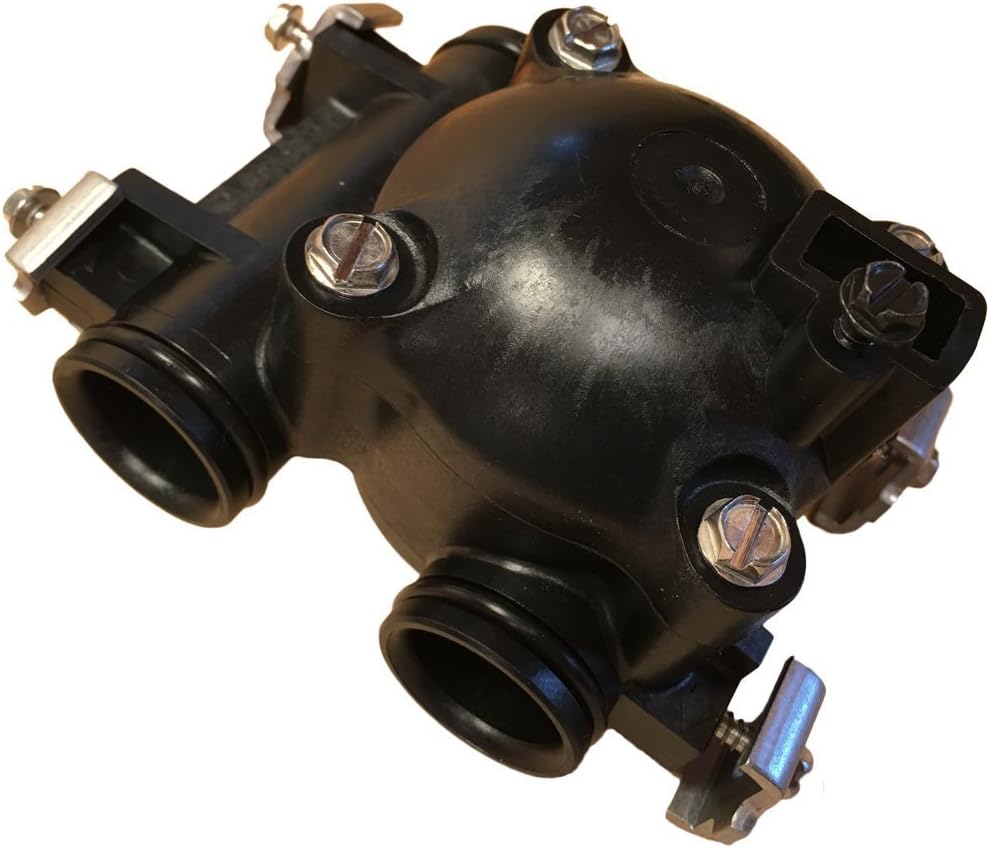
You’ll program the control head with water hardness and desired reserve. The meter tells the softener when to regenerate based on gallons used, and regeneration follows a standard sequence: backwash, brine draw, slow rinse, fast rinse, and refill. Salt usage depends on capacity and hardness; a typical 48,000-grain softener might use 8–12 pounds of salt per regeneration depending on your settings.
Setting the reserve and hardness
You’ll want to set the reserve to avoid running out of softened water between regenerations — a 10–20% reserve is common. Enter the hardness accurately to avoid either excessive regeneration (wasting salt) or under-softening.
Programming the Fleck 5600 SXT
You’ll find the SXT interface intuitive once you’ve used it a bit. Use the up/down buttons to set hardness, current time, and max daily regen. The metered system automatically tracks usage, but you can also manually start a regeneration.
Helpful programming tips
Keep a note of your initial settings and the day/time you started the softener. After a week, check your salt consumption and adjust reserve if needed. If you have sudden usage changes, you can run a manual regen to reset the cycle.
Maintenance and care
You’ll want to perform simple maintenance regularly: keep the brine tank topped with salt, clean the brine tank occasionally, check for salt bridging and crust, inspect the drain line and fittings for leaks, and replace the resin only when its performance declines significantly.
Salt care and brine tank tips
Use pellet salt designed for softeners to reduce bridging. Every few months, inspect the salt for bridging (a hard crust that forms near the top) and break it up if present. Clean the brine tank annually or when you notice buildup or odor.
Troubleshooting common issues
If you run into problems, many are straightforward to fix. Below are common issues and what you can do.
Low or no softening
If softened water stops or is weak, check the salt level first. Verify the control head settings and that regeneration is occurring. If you still have issues, test for iron or other contaminants that might foul the resin.
Salt bridging or mushing
If salt forms a bridge, you’ll see salt above a gap or no salt at the bottom of the tank. Break the bridge with a broom handle or similar tool, or remove salt and clean the tank if it’s severe. Consider a different salt type if mushing (a wet granular mass) occurs.
Leaks or noisy operation
Tighten fittings and check the drain line for kinks. If the valve makes unusual noises, verify proper installation and that the system is level. Many noises are resolved by tightening connections and clearing obstructions.
Lifespan and when to replace components
You’ll get many years of service from the resin and valve if the water chemistry is reasonable and you keep up with maintenance. Resin typically lasts 10–15 years depending on iron and chlorine exposure; the Fleck valve can last similarly with proper care. Replace the brine tank or bypass parts as needed if they show wear or damage.
A closer look: user experience and real-world use
You’ll likely notice immediate benefits in daily chores — less soap residue on dishes, softer laundry, and reduced need for limescale cleaners in kettles and hot water heaters. Users often report easier hair and skin feel and longer lifespan for water-using appliances.
What to expect in the first few weeks
After installation and a full regeneration, check faucets for softened water and look for residual hardness spots. Re-test hardness downstream of the softener if you’re unsure. Adjust the settings if you notice any inconsistencies.
Comparison table: where this model sits in the market
You’ll benefit from comparing this model to other typical systems. This comparison gives you an idea of where it fits by capacity, resin preloaded status, and valve type.
| Feature | DURAWATER Fleck 5600 SXT 48k | Typical Residential 24k | High-end 64k+ System |
|---|---|---|---|
| Grain capacity | 48,000 | 24,000 | 64,000+ |
| Resin preloaded | Yes | Often no | Sometimes yes |
| Valve type | Fleck 5600 SXT (metered) | Basic mechanical/time clock | Advanced digital metered |
| Brine tank included | Yes | Often yes | Yes |
| Best for | Medium to large households | Small households/apt | Large families or high hardness |
| Price range | Mid | Low | High |
Pros and cons
You’ll want to weigh both sides before deciding. Here’s a concise list to help with that.
Pros
- Preloaded resin reduces setup hassle and mess.
- Metered Fleck 5600 SXT valve saves salt and water.
- 48,000-grain capacity suits many households and reduces regeneration frequency.
- Brine tank with safety float helps prevent overflow.
- Included 1-inch Noryl bypass simplifies plumbing.
- Toll-free customer support included.
Cons
- If your water has high iron or other contaminants, you may need pre-treatment.
- 1.5 cu ft resin may be undersized in very large households or extremely hard water.
- Installation still requires basic plumbing and an electrical outlet.
- Black finish may show dust or scuffs in certain spaces.
Who should buy this unit
You’ll be a good candidate for this model if you have moderate to hard water, a household of average to large size, and you want the convenience of preloaded resin and a reliable digital control valve. It’s also a smart buy if you prefer the salt and water savings of a metered system over a time-clock model.
Who might need a different solution
If you have extremely hard water across a very large household, consider a higher-capacity system. If your water contains high iron, hydrogen sulfide, or other contaminants, plan on additional pretreatment (iron filters, sediment filters, or oxidizing filters) to protect the resin and valve.
Tips to get the most out of the DURAWATER Fleck 5600 SXT
You’ll increase longevity and performance by following a few simple tips:
- Use quality pellet salt to reduce bridging and mushing.
- Test your water before installation so you can program hardness accurately.
- Keep a log of salt usage and regeneration frequency for the first month to fine-tune settings.
- Clean the brine tank annually and inspect the safety float.
- If you have noticeable iron, consider a periodic resin cleaner or an upfront iron filter.
Maintenance schedule table
You’ll find it useful to follow a simple maintenance schedule. The table below gives a practical timeline.
| Task | Frequency | Notes |
|---|---|---|
| Check salt level | Every 2–4 weeks | Keep salt above water level; pellet salt recommended |
| Inspect for salt bridging | Every 1–2 months | Break bridges if present |
| Clean brine tank | Annually | Remove sediment and leftover sludge |
| Check for leaks and fittings | Every 3 months | Tighten or replace components as needed |
| Replace resin | Every 10–15 years (approx.) | Sooner if iron/clogging reduces performance |
| Verify settings and operation | Monthly for first 3 months, then quarterly | Adjust reserve or hardness as needed |
Warranty and customer support
You’ll benefit from the included toll-free support to help with setup, programming, and troubleshooting. Warranty specifics can vary by seller and manufacturer, so confirm warranty length and terms before purchase. Keep receipts and model/serial numbers handy for warranty claims.
Common questions you’ll have (FAQs)
You’ll probably have these questions; here are clear answers.
Q: Does the unit come with the resin preloaded? A: Yes — the mineral tank ships loaded with 1.5 cubic feet of high-capacity resin.
Q: Will this remove iron and manganese? A: The softener primarily removes hardness minerals (calcium and magnesium). Low levels of iron may be removed, but higher levels require pretreatment or specialty resin.
Q: How much salt does it use? A: Salt usage depends on hardness and regeneration frequency; a 48k-grain unit may use roughly 8–12 pounds per regen on typical settings, but your actual usage will vary.
Q: Can you install this yourself? A: If you’re comfortable with basic plumbing and following instructions, yes. Otherwise, hire a licensed plumber to ensure optimal installation.
Q: Is the Fleck 5600 SXT easy to program? A: Yes — it has a straightforward digital interface for entering hardness, time, and reserve settings.
Final thoughts and recommendation
You’ll find the DURAWATER Fleck 5600 SXT Whole House Water Softener 48,000 Grains Ships Loaded with Resin in Tank, Black a practical and cost-effective choice for many homes. The preloaded resin and included accessories reduce the friction of setup, and the Fleck 5600 SXT meter valve offers efficiency and reliability. If your water profile is typical hard water without high iron content and your household size matches the capacity, this softener should serve you well for many years with routine care.
If you want help assessing whether the 48,000-grain capacity matches your household, tell me your household size and water hardness and I’ll run the numbers for you.
Disclosure: As an Amazon Associate, I earn from qualifying purchases.