


Have you ever wondered about the potential downsides of drinking filtered water? While filtering your tap water may seem like a smart and healthy choice, it’s important to be aware of the possible disadvantages as well. In this article, we will explore some of the drawbacks that come with drinking filtered water, helping you make an informed decision about your hydration choices. So, let’s dive in and uncover the potential downsides of relying on filtered water for your daily drinking needs.
Contaminant removal limitations
Inability to remove certain contaminants
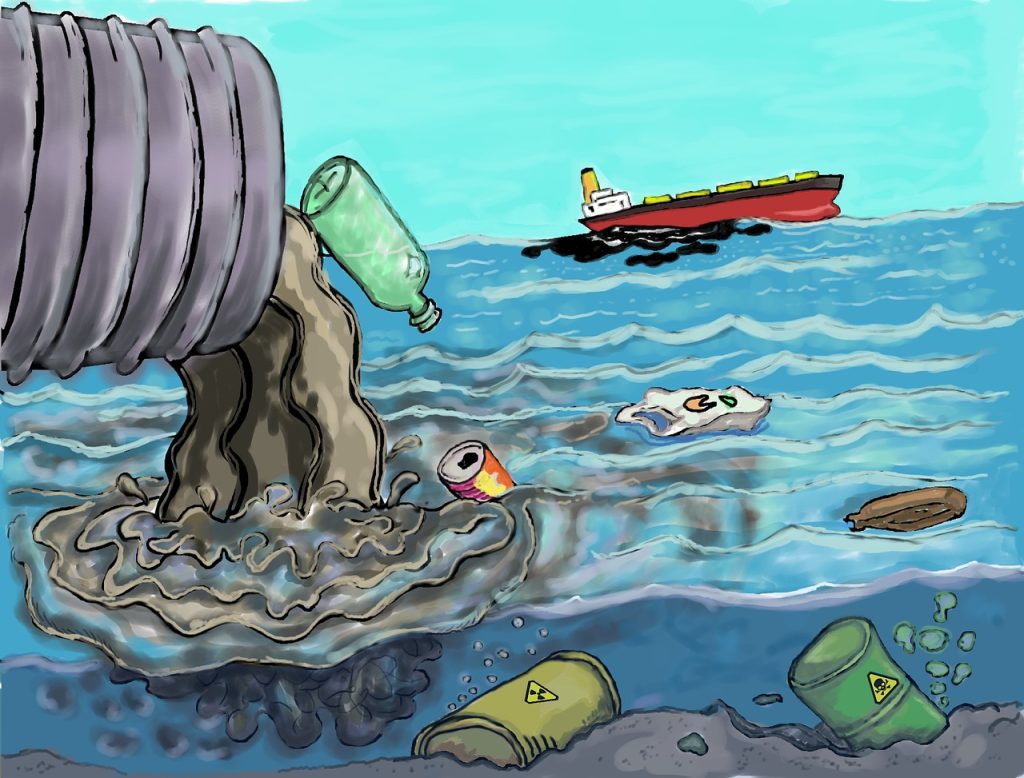
Filter water may not be able to completely remove all types of contaminants present in the water. While filters are effective at removing common contaminants such as chlorine, sediment, and some heavy metals, they may have limitations when it comes to removing specific contaminants like viruses or pesticides. This can leave you with a false sense of security and potentially expose you to harmful substances.
Inconsistent removal of contaminants
Even when filters do have the capability to remove certain contaminants, their effectiveness can vary. Factors such as the quality and condition of the filter, the flow rate of water, and the concentration of contaminants can influence the degree to which contaminants are removed. As a result, there may be inconsistencies in the water purification process, potentially leaving some contaminants behind.
Decreased effectiveness over time
Filters are not immune to wear and tear. As they are used over time, their ability to effectively remove contaminants can decline. Accumulation of debris or pathogens in the filter, degradation of filter media, or clogging of pores can all contribute to reduced filtration capacity. Regular maintenance and replacement of filters are crucial to maintain optimal performance, but neglecting these tasks can result in decreased effectiveness and compromised water quality.
Risk of bacterial growth
Potential for bacterial growth in filter
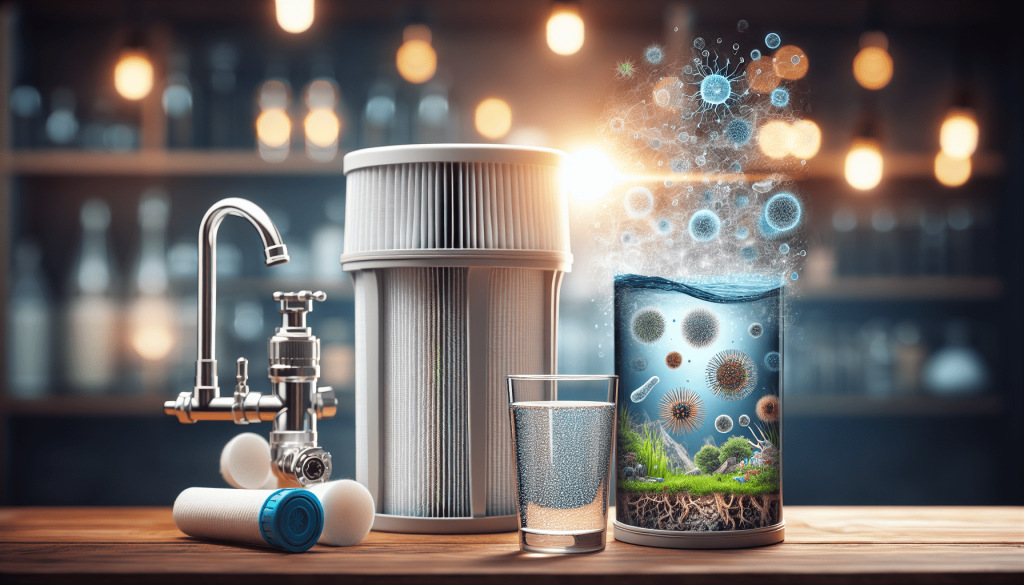
Filters that are not adequately cleaned or maintained can become a breeding ground for bacteria. The damp environment inside the filter, combined with trapped organic matter, provides a perfect habitat for bacteria to thrive. If not addressed, bacterial growth in the filter can contaminate the filtered water, negating the intended purpose of filtering in the first place.
Failure to properly clean and maintain filter
To prevent bacterial growth and ensure the longevity of the filter, regular cleaning and maintenance are essential. However, not everyone may be diligent in following these recommended practices. Forgetting to clean the filter or ignoring routine maintenance can result in compromised filter performance and potential health risks.
Biofilm formation in filter
One of the consequences of inadequate cleaning and maintenance is the formation of biofilm inside the filter. Biofilm is a slimy layer that consists of microorganisms, such as bacteria and fungi, embedded in a matrix of extracellular substances. Once formed, biofilm can be difficult to remove and can further obstruct the function of the filter. It not only compromises the quality of filtered water but can also lead to clogging and reduced water flow.
Mineral depletion
Removal of beneficial minerals
While water filters are designed to eliminate harmful substances, they may also remove beneficial minerals present in tap water. Minerals like calcium, magnesium, and potassium are essential for various bodily functions, including bone health, nerve function, and muscle contraction. Drinking filtered water that lacks these minerals may contribute to a mineral deficiency over time, potentially affecting overall health and wellbeing.
Altered taste and potential health effects
The removal of minerals from filtered water can also impact its taste. Many people appreciate the taste of naturally occurring minerals in water, which can provide a refreshing and satisfying experience. Without these minerals, filtered water may taste bland or unappealing. Furthermore, there is ongoing debate regarding the potential health effects of consuming demineralized water long-term, with some studies suggesting a possible link to adverse health outcomes.
Impaired hydration
Reduced hydrating properties
Water filters can inadvertently affect the hydrating properties of water due to their filtration processes. Some filters, especially those with smaller pores or advanced filtration mechanisms, may remove water molecules that are bound to certain substances, reducing the bioavailability of water in the body. This means that even if you consume the same volume of filtered water, it may not hydrate you as effectively as unfiltered water would.
Potential electrolyte imbalance
In addition to impairing hydration, filtered water may also disrupt the balance of electrolytes in the body. Electrolytes, such as sodium, potassium, and chloride, are crucial for fluid balance, nerve function, and muscle contractions. Although the impact may be minimal, if you rely solely on filtered water for your hydration needs, it is important to ensure that you obtain these essential electrolytes through other dietary sources.
Increased cost and maintenance
Initial cost of filter system
Investing in a water filter system can come with a significant upfront cost, especially for high-quality systems that offer comprehensive purification. The initial expense of purchasing the filter system may be a deterrent for some individuals, particularly those on a tight budget.
Replacement filters and cartridges
To maintain the effectiveness of water filters, it is necessary to regularly replace the filter cartridges. Depending on the type of filter system and the frequency of use, replacement cartridges can be an additional ongoing cost. Failure to replace filters as recommended can compromise the quality of filtered water and increase the risk of contamination.
Regular maintenance requirements
Water filters require regular maintenance to ensure optimal performance and longevity. This may involve tasks such as cleaning, sanitizing, and replacing parts. While these maintenance requirements are necessary to uphold the integrity of the filter system, they can be time-consuming and may require additional effort on your part.
Limited portability
Restrictions on access to filtered water
Using a water filter system can limit your access to filtered water, primarily confined to the location where the filter system is installed. If you are away from home or do not have access to the filter system, you may have to rely on other water sources, such as bottled water or tap water, which may not meet the same standards of filtration.
Inconvenient for traveling or outdoor activities
For individuals who frequently travel or engage in outdoor activities, the lack of portability of water filters can be an inconvenience. Carrying around a bulky filter system may not be practical or feasible, leaving you without the option of filtered water in such situations. This can be particularly challenging if you are concerned about the quality of water sources during your travels or outdoor adventures.
Environmental impact
Energy consumption
The production and use of water filter systems, particularly those that require electricity or advanced filtration technologies, contribute to energy consumption. This energy requirement adds to the overall carbon footprint associated with water filtration methods. Considering the growing concern for environmental sustainability, the energy implications of water filters should be taken into account.
Waste generation from discarded filters
Replacement filters and cartridges contribute to waste generation, especially if they are not biodegradable or recyclable. With the regular replacement of filters, there can be a significant accumulation of discarded filters over time, further burdening landfills and the environment. Opting for environmentally friendly filter options or exploring recycling programs for filter components can help mitigate this issue.
Carbon footprint of manufacturing filters
The manufacturing process of water filters involves the extraction of raw materials, transportation, and assembly, all of which contribute to greenhouse gas emissions. Additionally, the carbon footprint is also influenced by the disposal and end-of-life management of filters. As consumers, being aware of the environmental impact of water filters can guide us in making informed choices that align with sustainable practices.
Risk of filter malfunction
Accidental breakage or damage to filter
Water filters, especially those made of fragile materials such as glass, can be susceptible to breakage or damage. Accidental mishandling, dropping, or exposure to extreme temperatures can compromise the integrity and functionality of the filter. Not only does this create inconvenience, but it also introduces the potential for unfiltered water to be consumed unknowingly.
Leakage or bypass of unfiltered water
Malfunctioning filters run the risk of leakage or bypass, allowing unfiltered water to mix with the filtered water. This can occur due to poor installation, damaged seals, or defects in the filter system. The presence of unfiltered water poses a significant health risk as it reintroduces contaminants that were intended to be removed.
Lack of effectiveness in removing contaminants
Despite investing in a water filter system, there is no guarantee that it will effectively remove all contaminants. Different filters have varying capacities and specifications, meaning that some contaminants may still pass through the filtration process. Relying solely on a filter may create a false sense of security, giving you the impression of drinking safe water while potential risks remain.
Dependency on filter availability
Reliance on availability of filter replacements
Regular filter replacements are crucial to ensure optimal performance, but this reliance on the availability of specific filter replacements can present challenges. If the specific filter cartridges or accessories for your system are not readily available or discontinued, it can leave you without the means to maintain the functionality of your filter system. This can lead to compromised water quality or the need for investing in a new filter system altogether.
Shortage or unavailability of filter cartridges
In times of supply shortages or disruptions, obtaining replacement filter cartridges can become a challenge. This is particularly relevant during crises, emergencies, or situations where demand outweighs supply. Relying heavily on a water filter system may leave you vulnerable if you are unable to access the necessary filter cartridges when you need them the most.
Perception of false sense of safety
Assumption that filtered water is always safe
There is a common perception that drinking filtered water ensures safety and purity. While filters can effectively remove many common contaminants, it is important to acknowledge the limitations of filtration systems, as discussed earlier. Relying solely on filtered water without considering other potential sources of water contamination can create a false sense of safety and prevent you from taking additional precautions to protect your health.
Failure to address other potential water sources of contamination
water filters primarily address the quality of water at the point of use, such as the tap or pitcher. However, they do not address potential contamination issues that may exist elsewhere in the water supply chain, such as the source water or the plumbing system. Neglecting to address these potential sources of contamination may still expose you to harmful substances, regardless of the use of water filters. It is important to consider holistic approaches to water safety and not solely rely on filters as the ultimate solution.
In conclusion, while water filters provide an accessible means of improving water quality, they come with several disadvantages that should be considered. Contaminant removal limitations, risk of bacterial growth, mineral depletion, impaired hydration, increased cost and maintenance, limited portability, environmental impact, risk of filter malfunction, dependency on filter availability, and the perception of a false sense of safety are all factors to consider when deciding to use water filters. Being aware of these disadvantages allows you to make informed choices regarding your water consumption and take additional measures, if necessary, to ensure the safety and quality of your drinking water.