


You’re searching for the best kind of filtered water, and we’re here to help you narrow down your options. With so many choices available, it can be overwhelming to decide which filter is most effective in providing clean and refreshing water. Whether you’re concerned about the removal of impurities, the maintenance of essential minerals, or the overall taste, we’ll guide you through the different types of water filters and their benefits. By the end of this article, you’ll have a clear understanding of which filter water is best suited to meet your specific needs.
Understanding Water Filtration
Water filtration is the process of removing impurities and contaminants from water in order to make it safe and clean for consumption. It is an essential step to ensure the quality and purity of the water we drink. Whether it’s tap water or well water, it is important to understand the science behind water filtration, why filtered water is important, and the common impurities found in tap water.
The Science of Water Filtration
Water filtration works by passing water through a physical barrier or a chemical process to remove particles, sediments, chemicals, and microorganisms that may be present in the water. Different types of filters use various mechanisms to achieve this, such as activated carbon, ceramic membranes, reverse osmosis, distillation, and UV radiation. Each of these methods has its own unique way of separating impurities from water.
Why Filtered Water is Important
Filtered water is important for several reasons. Firstly, it removes harmful substances that may pose health risks, such as bacteria, viruses, pesticides, and heavy metals like lead and arsenic. By eliminating these impurities, filtered water can significantly reduce the likelihood of waterborne illnesses and improve overall health.
Secondly, filtered water often tastes better. Many impurities contribute to unpleasant tastes and odors in tap water. Filtered water can enhance the flavor of beverages, making them more enjoyable to consume. Additionally, filtered water can improve the quality of cooked food, as impurities can affect the taste and appearance of meals.
Lastly, using a water filter is environmentally friendly. By reducing the consumption of bottled water, we can minimize plastic waste and its negative impact on the environment. Filtering tap water at home is a sustainable choice that helps to conserve resources and reduce our carbon footprint.
Common Impurities in Tap Water
Tap water can contain various impurities that can affect its quality and safety. Some common impurities found in tap water include:
-
Chlorine: Chlorine is commonly used to disinfect tap water. However, it can give water an unpleasant taste and odor.
-
Sediments: Sediments such as sand, silt, and rust can find their way into tap water through aging pipes or water distribution systems. These particles can affect the clarity and quality of the water.
-
Heavy Metals: Some tap water sources may contain heavy metals like lead, copper, and arsenic, which can be hazardous to health if consumed in high concentrations.
-
Microorganisms: Bacteria, viruses, and parasites can contaminate water sources, especially if they come from untreated or poorly maintained water systems.
-
Pesticides and Chemicals: Agricultural runoff and industrial pollutants can introduce pesticides and chemicals into water sources, posing health risks if consumed.
Understanding the common impurities in tap water helps to select the appropriate water filter that effectively removes these contaminants and ensures the water is safe for consumption.
Types of Water Filters
There are several types of water filters available on the market. Each type has its own advantages and limitations, and choosing the right one depends on your specific needs and preferences. Here are some common types of water filters:
Activated Carbon Filters
Activated carbon filters, also known as charcoal filters, are one of the most popular and widely used types of water filters. These filters use activated carbon, which has a large surface area and is highly porous, to trap impurities as water passes through. The activated carbon acts like a magnet, attracting and adsorbing contaminants like chlorine, volatile organic compounds (VOCs), and some heavy metals.
One of the benefits of activated carbon filters is their ability to improve the taste and odor of water by removing unpleasant smells and flavors. These filters are also relatively affordable and easy to install. However, they have limitations when it comes to removing certain impurities like dissolved minerals, nitrates, and bacteria. It is important to choose a quality activated carbon filter that meets your specific filtration needs.
Ceramic Filters
Ceramic filters are another popular option for water filtration. These filters use a porous ceramic material to physically trap impurities and pathogens that may be present in the water. The small pores in the ceramic membrane effectively block particles, bacteria, and parasites as water passes through.
One of the key advantages of ceramic filters is their long lifespan, as they can be cleaned and reused multiple times. They are also effective at removing sediments, bacteria, and larger impurities. However, they may not be as effective at removing chemicals, dissolved minerals, or viruses. Choosing a quality ceramic filter that meets industry standards is important to ensure optimum filtration performance.
Reverse Osmosis Filters
Reverse osmosis filters use a semipermeable membrane to separate impurities from water. This process involves applying pressure to force water molecules through the membrane, leaving behind contaminants. Reverse osmosis filters can effectively remove a wide range of impurities, including bacteria, viruses, dissolved minerals, heavy metals, and some chemicals.
One of the main benefits of reverse osmosis filters is their high level of filtration efficiency. They can produce exceptionally clean water with improved taste and odor. However, reverse osmosis filters may require professional installation and regular maintenance. They also produce a significant amount of wastewater during filtration, and they can be more expensive compared to other types of filters.
Distillation Units
Distillation units work by heating water to create steam, which is then condensed back into liquid form. This process effectively removes impurities that have higher boiling points than water, such as bacteria, viruses, dissolved minerals, and certain chemicals. The resulting distilled water is typically free from most contaminants.
One of the benefits of distillation units is their ability to remove a wide range of impurities, including heavy metals and volatile organic compounds. However, they may not be as effective at removing certain volatile chemicals or gases. Distillation units also require regular maintenance and use more energy compared to other filtration methods.
UV Filters
UV filters use ultraviolet radiation to destroy the DNA of microorganisms in water, rendering them unable to reproduce and causing them to become inactive. These filters are particularly effective at eliminating bacteria, viruses, and parasites. UV filters do not add any chemicals to the water, making them a chemical-free option for water disinfection.
One of the benefits of UV filters is their ability to provide immediate disinfection without altering the taste or odor of water. They are also generally low maintenance, with only the UV lamp requiring occasional replacement. However, UV filters are not effective at removing sediments or dissolved impurities, and they require a power source to function.
Activated Carbon Filters
Activated carbon filters, also known as charcoal filters, are widely used for residential water filtration due to their effectiveness in removing certain impurities and improving the taste of water.
How Activated Carbon Filters Work
Activated carbon filters use a bed of activated carbon, which is a form of carbon that has been processed to have a large surface area and numerous tiny pores. When water passes through the activated carbon bed, impurities and contaminants in the water are attracted to the surface of the carbon and are adsorbed, or held, by it.
The activated carbon has a network of pores that trap particles and substances such as chlorine, VOCs, pesticides, and some heavy metals. The larger surface area of activated carbon compared to regular carbon allows for more efficient contaminant removal.
Benefits and Limitations of Activated Carbon Filters
Activated carbon filters have several benefits. Firstly, they can greatly improve the taste and odor of water by removing chlorine and other substances that contribute to unpleasant flavors. Filtered water from activated carbon filters is often described as having a cleaner and fresher taste.
Secondly, activated carbon filters are relatively affordable and widely available. They can be easily installed on faucets or used in pitchers and water dispensers. The filter cartridges need to be replaced periodically, but the cost of replacement is generally reasonable.
However, activated carbon filters have limitations when it comes to the removal of certain impurities. They are not effective at removing dissolved minerals, such as calcium and magnesium, which can contribute to hard water. Additionally, they may not be able to remove bacteria, viruses, or some heavy metals. It is important to consider your specific filtration needs when choosing an activated carbon filter.
Choosing a Quality Activated Carbon Filter
When selecting an activated carbon filter, it is important to consider a few factors. First and foremost, look for filters that are certified by reputable organizations such as the NSF (National Sanitation Foundation). Certification ensures that the filter has met specific standards for contaminant reduction.
Consider the filter’s capacity and flow rate. The capacity refers to the amount of water the filter can effectively treat before needing replacement. The flow rate refers to the speed at which the filter delivers water. Choosing a filter with an adequate capacity and flow rate is important to meet your daily water consumption needs.
Lastly, consider the maintenance and replacement requirements of the filter. Some filters require cartridge replacements, while others may require periodic backwashing or cleaning. Take into account the cost and frequency of maintenance to ensure that it aligns with your budget and convenience.
Remember, the best activated carbon filter for your home is one that effectively removes the impurities you want to eliminate, fits your budget, and meets your specific needs for taste and convenience.
Ceramic Filters
Ceramic filters are another popular type of water filter known for their ability to physically block impurities and pathogens. They offer a simple and effective solution for purifying water in a reliable and sustainable manner.
How Ceramic Filters Work
Ceramic filters consist of a porous ceramic material that contains tiny channels and pores. These small pores act as a physical barrier, trapping particles, sediments, bacteria, parasites, and other impurities as water passes through.
The design and structure of the ceramic membrane effectively prevent the passage of larger contaminants, ensuring that the water that comes out is free from most sediments and microorganisms. Ceramic filters can also be impregnated with silver, which provides additional antimicrobial properties, further enhancing their filtration efficiency.
Benefits and Limitations of Ceramic Filters
Ceramic filters offer several benefits. Firstly, they are known for their long service life. With proper care and maintenance, ceramic filters can last for many months or even years. This longevity is due to their ability to be cleaned and reused. Regular cleaning of the ceramic filter restores its filtration capabilities and removes accumulated impurities, extending its lifespan.
Secondly, ceramic filters are effective at removing sediments, particles, bacteria, and larger contaminants. They can significantly improve the clarity and quality of water, making it safe for drinking and other household uses. Ceramic filters are also relatively affordable and require minimal maintenance compared to other filter types.
However, ceramic filters may not be as effective at removing dissolved minerals, some chemicals, or viruses. Their filtration efficiency can vary, so it is important to choose ceramic filters that have been tested and certified to meet industry standards for contaminant reduction.
Choosing a Quality Ceramic Filter
When selecting a ceramic filter, there are a few factors to consider. Look for filters that have been independently tested and certified by reputable organizations, such as the NSF (National Sanitation Foundation). Certification ensures that the filter meets specific performance standards and reliably removes impurities.
Consider the pore size of the ceramic filter. Pore size determines the size of particles or microorganisms that can be effectively blocked. Select a filter with a smaller pore size if you want to remove smaller contaminants, but keep in mind that smaller pore sizes may reduce the filter’s flow rate.
Another factor to consider is the presence of additional filtration media or technologies. Some ceramic filters may incorporate activated carbon or other materials to enhance their contaminant removal capabilities. Assess your specific filtration needs and choose a ceramic filter that aligns with them.
Additionally, consider the maintenance requirements of the ceramic filter. Look for filters that are easy to clean and require minimal maintenance. Some filters may need periodic scrubbing or backwashing, while others may simply require rinsing. Choosing a filter with a maintenance routine that suits your convenience is important to ensure its long-term effectiveness.
Remember, a quality ceramic filter should have filtration capabilities that match your specific needs, be easy to maintain, and have undergone independent testing to ensure reliable performance.
Reverse Osmosis Filters
Reverse osmosis filters are highly effective at removing a wide range of impurities, making them a popular choice for residential water filtration. They provide a thorough filtration process that produces clean and purified water.
How Reverse Osmosis Filters Work
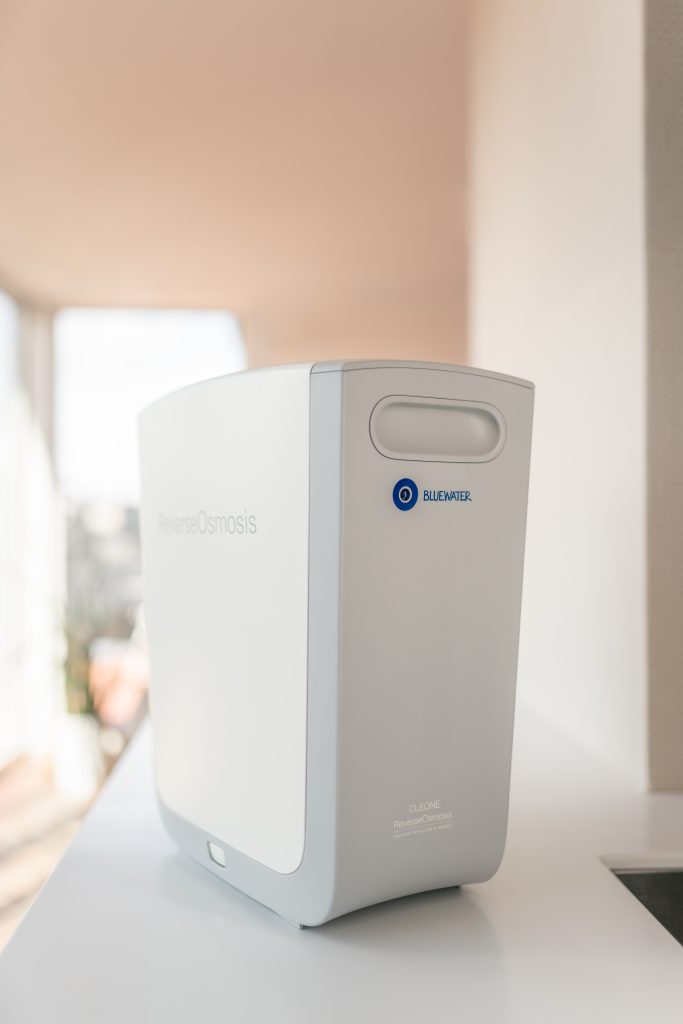
Reverse osmosis filters work by using pressure to push water molecules through a semipermeable membrane. This membrane has extremely small pores that are able to trap and remove a variety of contaminants, including bacteria, viruses, dissolved minerals, heavy metals, and some chemicals.
When water is passed through the reverse osmosis membrane, impurities that are larger in size than water molecules are left behind, resulting in purified water on the other side of the membrane. The filtered water is collected in a storage tank, ready for consumption.
Benefits and Limitations of Reverse Osmosis Filters
Reverse osmosis filters offer several benefits. Firstly, they provide a high level of filtration efficiency, capable of removing a wide range of impurities. The reverse osmosis process can effectively eliminate bacteria, viruses, parasites, heavy metals, dissolved minerals, and many chemicals, resulting in exceptionally clean water.
Secondly, reverse osmosis filters can greatly improve the taste and odor of water. The removal of impurities that contribute to unpleasant flavors and smells results in water that is crisp, refreshing, and free from any unwanted aftertastes. This makes it ideal for drinking, cooking, and preparing beverages.
However, reverse osmosis filters have a few limitations. They can be more expensive compared to other filter types, both in terms of initial installation costs and ongoing maintenance expenses. Reverse osmosis systems often require professional installation and periodic filter replacements.
Another limitation is the production of wastewater during the filtration process. For every gallon of purified water produced, reverse osmosis systems can produce several gallons of wastewater. This can be a concern in terms of water efficiency and waste management.
Choosing a Quality Reverse Osmosis Filter
When choosing a reverse osmosis filter, it is important to consider a few key factors. Look for filters that are certified by reputable organizations, such as the NSF (National Sanitation Foundation). Certification ensures that the filter meets specific standards for contaminant reduction and provides reliable performance.
Consider the system’s capacity and flow rate. The capacity refers to the amount of water the system can produce before the storage tank needs refilling. The flow rate refers to the speed at which purified water is delivered. Choosing a system with an adequate capacity and flow rate is important to meet your household’s water consumption needs.
Additionally, assess the maintenance requirements of the reverse osmosis system. Filters typically need to be replaced periodically to ensure continued effectiveness. Consider the cost and frequency of filter replacement, as well as the availability of replacement parts, to ensure that maintenance is manageable.
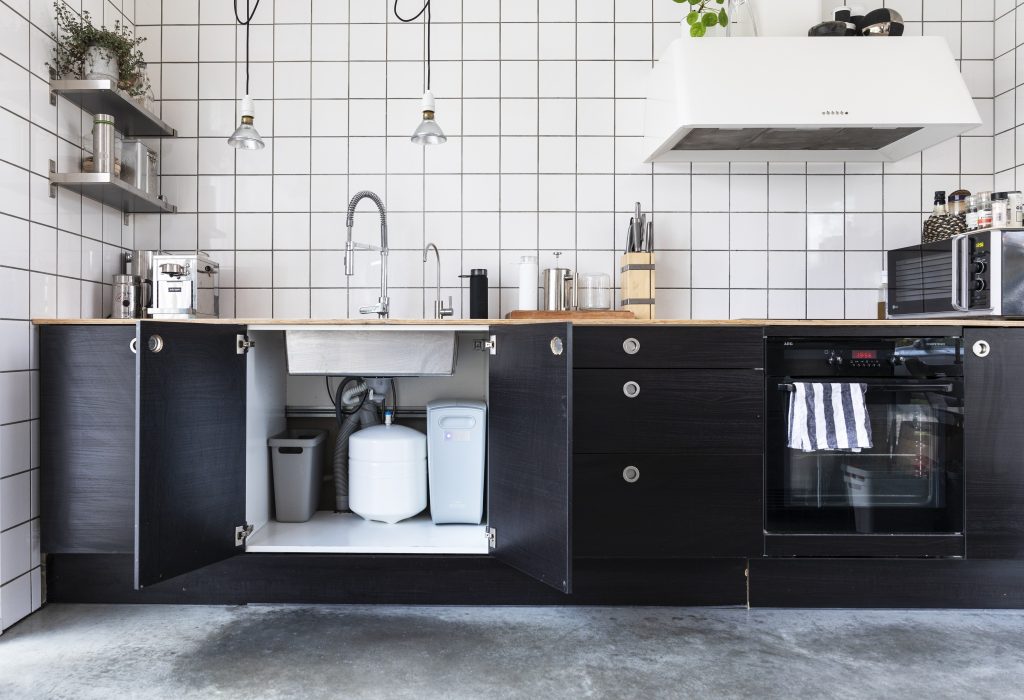
Lastly, consider the space requirements for the reverse osmosis system. They typically require storage tanks, filter housings, and a faucet for dispensing purified water. Ensure that you have enough space in your kitchen or wherever the system will be installed.
Remember, a quality reverse osmosis filter should effectively remove impurities, be certified for performance, and be suited to your specific needs in terms of capacity, flow rate, maintenance, and space requirements.
Distillation Units
Distillation units offer a simple and effective method of purifying water by removing impurities through evaporation and subsequent condensation. They provide a reliable way to obtain clean and purified water.
How Distillation Units Work
Distillation units work by heating water to create steam, which is then cooled and condensed back into liquid form as purified water. This process effectively separates impurities that have higher boiling points than water, as they are left behind during the evaporation stage.
During distillation, water is boiled, and the resulting steam is collected and directed into a condensing coil or chamber. As the steam cools down, it reverts back to liquid form, leaving behind impurities that cannot evaporate at the same temperature as water. The condensed water is collected and stored, ready for consumption.
Benefits and Limitations of Distillation Units
Distillation units offer several benefits. Firstly, they are capable of removing a wide range of impurities, including bacteria, viruses, dissolved minerals, heavy metals, and certain chemicals. The distillation process ensures that the purified water is free from most contaminants, resulting in clean and safe drinking water.
Secondly, distilled water is generally free from unpleasant tastes and odors. The evaporation and condensation process effectively removes substances that contribute to the flavors and smells commonly found in tap water. This makes distilled water suitable for drinking, cooking, and using in various household applications.
However, distillation units have a few limitations. They may not be as effective at removing certain volatile chemicals or gases that have lower boiling points than water. Additionally, the process of distillation consumes more energy compared to other filtration methods, as it requires heating the water to generate steam.
Another limitation is the maintenance and care required for distillation units. They need periodic cleaning to remove any accumulated residues or scale that may form during the distillation process. It is important to follow the manufacturer’s instructions for maintenance and perform regular cleaning to ensure optimum performance.
Choosing a Quality Distillation Unit
When selecting a distillation unit, consider a few important factors. Look for units that have been tested and certified by reputable organizations, such as the NSF (National Sanitation Foundation). Certification ensures that the unit meets specific standards for contaminant reduction and provides reliable performance.
Consider the capacity and speed of the distillation unit. The capacity refers to the amount of water the unit can distill before it needs to be refilled or emptied. The speed refers to the time it takes for the unit to produce a certain volume of purified water. Choosing a unit with an adequate capacity and speed is important to meet your daily water consumption needs.
Additionally, consider the maintenance requirements of the distillation unit. Some units may require periodic cleaning or descaling, while others may have self-cleaning mechanisms. Take into account the ease and frequency of maintenance to ensure that it aligns with your convenience and lifestyle.
Lastly, consider the cost and energy consumption of the distillation unit. Some units may be more energy-efficient than others, resulting in lower utility bills. Assess your budget and energy requirements to make an informed decision.
Remember, a quality distillation unit should effectively remove impurities, be certified for performance, require manageable maintenance, and match your specific needs in terms of capacity, speed, cost, and energy consumption.
UV Filters
UV filters, also known as ultraviolet filters, provide a chemical-free method of water disinfection by using ultraviolet radiation to destroy microorganisms. They offer a reliable and convenient solution for ensuring the safety of the water you consume.
How UV Filters Work
UV filters utilize ultraviolet radiation, specifically UV-C light, to disinfect water. The UV-C light damages the DNA of microorganisms, rendering them unable to reproduce and causing them to become inactive. The filtered water is then free from harmful bacteria, viruses, and parasites.
UV filters typically consist of a UV lamp enclosed in a protective sleeve or chamber. As water passes through the chamber, it is exposed to the UV light, effectively neutralizing any microorganisms present. The length of time the water is exposed to the UV light determines the level of disinfection.
Benefits and Limitations of UV Filters
UV filters offer several benefits. Firstly, they provide immediate disinfection without the need for chemicals. UV filters do not add any substances to the water, resulting in a chemical-free and natural purification process. This makes them a popular choice for those who prefer chemical-free water treatment.
Secondly, UV filters effectively eliminate a wide range of microorganisms, including bacteria, viruses, and parasites. They provide reliable disinfection and ensure that the water you consume is safe and free from potential waterborne illnesses. UV filters are particularly useful for areas where water quality may be compromised or during emergencies.
However, UV filters have a few limitations. They may not be effective at removing sediments, particles, dissolved minerals, or certain chemicals. UV radiation primarily targets microorganisms and does not physically remove impurities from the water. It is important to consider your specific filtration needs and whether additional filtration methods are required.
Another limitation is the dependence on a power source. UV filters require electricity to operate the UV lamp, making them reliant on a stable power supply. It is important to ensure that your home has a consistent source of electricity for the UV filter to function effectively.
Choosing a Quality UV Filter
When selecting a UV filter, consider several factors. Look for filters that have been tested and certified by reputable organizations, such as the NSF (National Sanitation Foundation). Certification ensures that the filter meets specific standards for microorganism reduction and provides reliable performance.
Consider the flow rate of the UV filter. The flow rate refers to the speed at which water is treated. Choosing a filter with an adequate flow rate is important to meet your household’s daily water consumption needs.
Additionally, assess the maintenance requirements of the UV filter. Some filters may require periodic lamp replacement, as the effectiveness of the UV radiation diminishes over time. Consider the cost and frequency of maintenance to ensure that it aligns with your budget and convenience.
Remember, a quality UV filter should effectively neutralize microorganisms, be certified for performance, require manageable maintenance, and have an appropriate flow rate for your household’s needs.
Comparison of Different Water Filters
When choosing the best water filter for your home, it is important to consider several factors for comparison. Each type of filter offers different advantages and disadvantages, and selecting the right one depends on your specific filtration needs and preferences. Here are some key factors to consider when comparing different water filters:
Efficiency
The efficiency of a water filter refers to its ability to remove specific impurities. Consider the contaminants you want to eliminate from your water and assess whether the filter you are considering has been tested and certified to effectively remove those impurities. Look for filters that have been independently tested and certified by reputable organizations, such as the NSF (National Sanitation Foundation). Certification ensures that the filter meets specific performance standards and provides reliable contaminant reduction.
Cost
The cost of a water filter includes both the initial purchase price and the ongoing maintenance expenses. Compare the prices of different filters and consider the long-term costs associated with filter replacements, cartridge changes, or other maintenance requirements. Remember to factor in the lifespan of the filter and the expected frequency of replacements when evaluating the overall cost.
Maintenance Requirements
Different filters have varying maintenance requirements. Some filters need regular cartridge replacements, while others may require periodic cleaning or disinfection. Assess the maintenance routines of the filters you are considering and determine whether they align with your convenience and the time you are willing to invest in filter maintenance. Consider the cost and availability of replacement parts or cartridges when evaluating the maintenance requirements.
Space Requirements
The space required for a water filter depends on its size and design. Some filters may be compact and suitable for small spaces, such as countertop or under-sink models. Others may require more space, such as reverse osmosis systems or distillation units that need storage tanks and filter housings. Evaluate the available space in your home and choose a filter that fits your specific requirements.
Impact on Water Taste
Water taste can be greatly influenced by the impurities present in it. Consider whether the filters you are considering are designed to improve the taste and odor of water. Certain filters, such as activated carbon filters, are known for their ability to remove substances that contribute to unpleasant flavors and smells, resulting in fresher and cleaner-tasting water.
Comparing these factors will help you make an informed decision when selecting the best water filter for your home. Remember that the right filter for you depends on your specific filtration needs, budget, convenience, and taste preferences.
Choosing the Best Water Filter for Your Home
Choosing the best water filter for your home requires careful consideration of several factors. Here are some key steps to help you make the right decision:
Assessing Your Water Quality
Start by assessing the quality of your tap water. You can request a water quality report from your local water supplier or have your water tested by a certified laboratory. The report or test results will provide information about the impurities and contaminants present in your water.
Consider the specific impurities you want to remove from your water. Some filters are more effective at removing certain impurities, such as activated carbon filters for eliminating chlorine, while others, like reverse osmosis filters, can remove a wider range of impurities.
Understand Your Budget
Determine your budget for a water filter. Consider both the initial purchase cost and the ongoing maintenance expenses. Compare the prices of different filters and evaluate the long-term costs associated with filter replacements or maintenance requirements.
Keep in mind that the cheapest option may not always provide the best performance or longevity. Balancing your budget with the filtration needs of your water will help you narrow down your choices.
Compatibility with Home Utilities
Consider the compatibility of the water filter with your home utilities. Some filters may require professional installation or additional equipment, such as a dedicated faucet or storage tank. Assess whether your home’s plumbing system can accommodate the installation requirements of the filter you are considering.
Considering Family Size
Take into account the size of your household and your daily water consumption needs. This will help you determine the capacity and flow rate required from the water filter. Look for filters that can adequately meet your household’s water demands without compromising filtration efficiency.
Additionally, consider the preferences and health requirements of your family members. Some individuals may have specific needs or sensitivities, such as those who require water free from certain minerals or allergens. Choosing a filter that meets those specific needs will ensure that everyone in your household can enjoy safe and clean water.
By assessing your water quality, understanding your budget, considering home utilities, and evaluating your family’s needs, you can confidently choose the best water filter for your home.
Other Factors to Consider
In addition to the key factors mentioned above, there are other factors to consider when selecting a water filter for your home.
Health Implications
Consider any specific health concerns or requirements that may affect your choice of a water filter. For example, individuals with compromised immune systems or certain medical conditions may require additional filtration methods or higher levels of disinfection. Consult with a healthcare professional if you have specific health concerns that need to be addressed through water filtration.
Environmental Impact of Different Filters
Take into account the environmental impact of different water filters. Some filters, such as activated carbon filters or ceramic filters, are more environmentally friendly compared to single-use plastic water bottles. These filters reduce plastic waste and contribute to a more sustainable lifestyle. Consider the environmental implications of your water filter choice and opt for filters that align with your eco-conscious values.
Brand Reputation & Customer Reviews
Consider the reputation of the brand and the feedback from customers. Look for brands with a good track record and positive customer reviews. Read reliable and unbiased reviews to learn about the experiences of other users with a particular water filter. This information can provide valuable insights and help you make an informed decision.
Remember to take into account factors such as warranty, customer support, and availability of replacement parts when considering the brands and products.
By considering these additional factors, you can ensure that your water filter not only meets your filtration needs but also aligns with your health concerns, environmental impact, and the reputation of the brand.
In conclusion, understanding water filtration is essential for ensuring the quality and safety of the water we consume. By comprehending the science behind water filtration, recognizing the importance of filtered water, and being aware of the common impurities in tap water, we can make informed decisions about the type of water filter that best suits our needs.
There are various types of water filters available, including activated carbon filters, ceramic filters, reverse osmosis filters, distillation units, and UV filters. Each type has its own unique way of removing impurities and has its advantages and limitations. Considering factors such as efficiency, cost, maintenance requirements, space requirements, and impact on water taste will help narrow down the options and choose the best water filter for your home.
Remember to assess your water quality, understand your budget, consider home utilities, and factor in family size when selecting a water filter. Taking into account health implications, environmental impact, brand reputation, and customer reviews will further ensure an informed decision.
Choosing the best water filter for your home is a crucial step towards enjoying safe, clean, and great-tasting water. With the right water filter in place, you can have peace of mind knowing that you and your family are drinking healthy and refreshing water.