Author: Ree Fonteyn

Ree Fonteyn runs Filtered Water Wise. Ree started researching filters after wanting to know what was actually in their own tap water. Reviews here are research-based: Ree checks certification listings from NSF, WQA and IAPMO R&T and reads maker data sheets and manuals to explain what each filter is actually certified to do. Ree doesn’t test products hands-on. See How We Review for how each review is put together.

  • How Long Does The Average Whole House Water Filter Last?

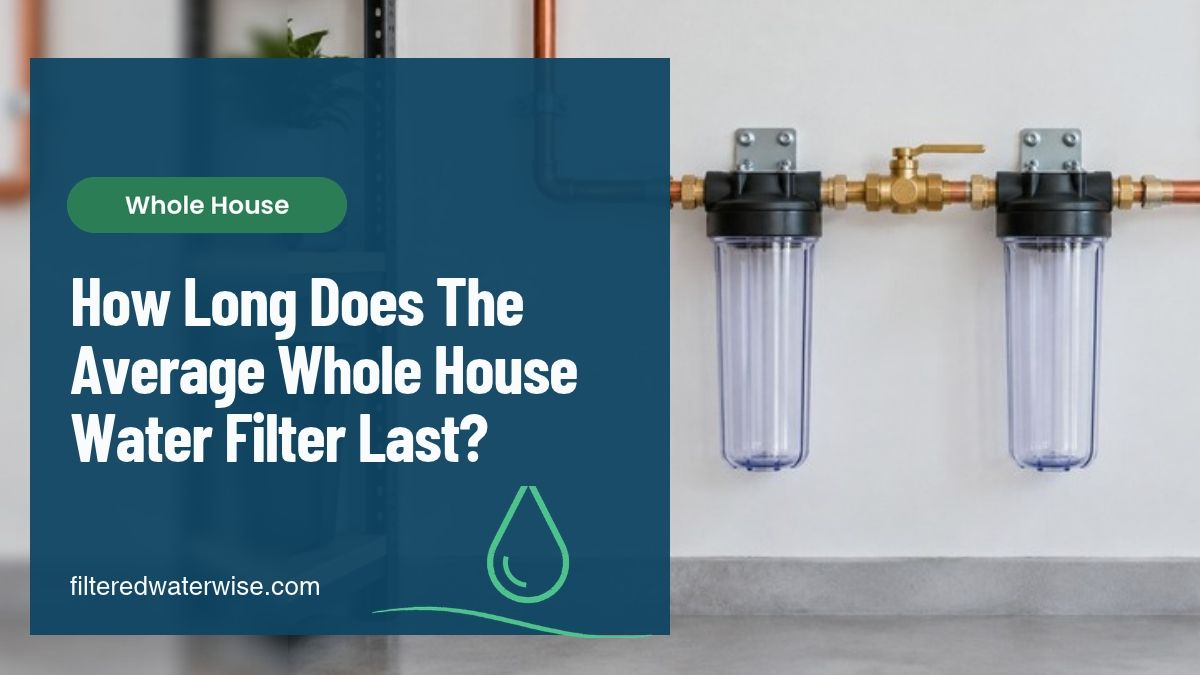
    How Long Does The Average Whole House Water Filter Last?

    Filtered Water Wise is reader-supported, and some articles contain affiliate links. As an Amazon Associate I earn from qualifying purchases. Affiliate disclosure

    Have you ever wondered how long your whole house water filter will last? We all know the importance of having clean and safe water for our homes, but the lifespan of these filters can be a mystery. In this article, we will explore the average lifespan of whole house water filters and provide some useful tips to help you extend their longevity. Say goodbye to guessing and hello to a clearer understanding of your water filtration system!

    Types of Whole House Water Filters

    When it comes to ensuring the quality of your household’s water supply, a whole house water filter is a wise investment. These filters are designed to remove contaminants from the water coming into your home, providing you with clean and safe water for drinking, cooking, bathing, and other daily activities. There are several types of whole house water filters available in the market, each with its own set of advantages and features. Let’s take a closer look at some of the most common types of whole house water filters.

    Activated Carbon Filters

    Activated carbon filters are one of the most popular choices when it comes to whole house water filtration, and for good reason. These filters work by adsorbing organic compounds, such as chlorine, pesticides, herbicides, and volatile organic compounds (VOCs), as the water passes through the activated carbon media. This process helps to improve the taste and odor of the water, making it more appealing for consumption. Activated carbon filters are also effective in removing certain heavy metals, such as lead and mercury.

    Reverse Osmosis Filters

    Another widely used type of whole house water filter is the reverse osmosis (RO) filter. These filters use a membrane to remove contaminants from the water through a process called osmosis. The membrane allows the passage of water molecules, while blocking the passage of larger particles and impurities. reverse osmosis filters are particularly effective in removing dissolved minerals, such as fluoride, arsenic, and calcium, as well as other contaminants, including bacteria, viruses, and heavy metals.

    Ceramic Filters

    Ceramic filters utilize a porous ceramic material to trap contaminants and impurities present in the water. These filters work by allowing the water to pass through the tiny pores of the ceramic material, effectively filtering out particles, sediments, bacteria, and other harmful substances. Ceramic filters are known for their durability and longevity, and they are capable of removing a wide range of contaminants from the water without the need for electricity or chemical additives.

    UV Filters

    UV filters employ ultraviolet light to disinfect the water and eliminate harmful microorganisms. These filters use UV lamps to emit ultraviolet rays that penetrate the cell walls of bacteria, viruses, and other pathogens, effectively destroying their ability to multiply and cause diseases. UV filters are highly effective in killing bacteria and viruses, making them an excellent option for households where microbial contamination is a concern. It’s worth noting that UV filters do not remove particulates or dissolved impurities; they solely focus on disinfection.

    Factors Affecting the Lifespan

    Now that we have a better understanding of the different types of whole house water filters, let’s delve into the various factors that can influence their lifespan. These factors play a crucial role in determining how long your water filter will last and when it’s time for a replacement. It’s important to keep these factors in mind to ensure that your filter continues to provide you with reliable and effective filtration.

    Water Quality

    The quality of the water being filtered is a significant factor that can impact the lifespan of your whole house water filter. If your water supply contains high levels of contaminants, such as heavy metals, sediment, or chemicals, your filter will need to work harder and may become clogged or exhausted more quickly. On the other hand, if your water is relatively clean, your filter may have a longer lifespan.

    Water Usage

    The amount of water being filtered on a daily basis also influences the lifespan of your whole house water filter. If you have a large household with high water consumption, your filter will be processing a larger volume of water, which can result in faster wear and tear. Conversely, if your household has lower water usage, your filter may last longer before needing replacement.

    Filter Size

    The size of your filter is another factor that can affect its lifespan. Larger filters typically have a higher filtration capacity and can handle larger volumes of water without becoming clogged or overwhelmed. Smaller filters, on the other hand, may require more frequent maintenance and replacement due to their limited capacity.

    Maintenance

    Proper maintenance is essential for maximizing the lifespan of your whole house water filter. Regular maintenance tasks, such as cleaning and replacing filter cartridges, can help prevent the buildup of contaminants and ensure optimal filtration performance. Neglecting to perform these maintenance tasks can lead to decreased filter lifespan and compromised water quality.

    Activated Carbon Filters

    Activated carbon filters are renowned for their effectiveness in removing contaminants and improving water taste and odor. To understand their lifespan and when to replace them, let’s explore how they work, their expected lifespan, and the signs that indicate it’s time for a replacement.

    How They Work

    Activated carbon filters work through a process called adsorption, where the carbon media attracts and retains impurities present in the water. When water passes through the filter, the activated carbon traps chlorine, volatile organic compounds (VOCs), pesticides, and other organic compounds, improving the aesthetic quality of the water.

    Lifespan

    The lifespan of activated carbon filters can vary depending on the quality of the water being treated and the filter’s capacity. On average, these filters may last anywhere from 6 to 12 months before needing replacement. However, it’s important to note that factors such as water quality and usage can influence the lifespan of the filter.

    Signs of Replacement

    Several signs indicate that your activated carbon filter is nearing the end of its lifespan and should be replaced. If you notice a decline in water quality, such as an unpleasant taste or odor returning, it’s a strong indication that the filter is no longer effective. Additionally, a decrease in water pressure or slower flow rate can suggest that the filter is clogged and needs replacement.

    Reverse Osmosis Filters

    Reverse osmosis filters are highly effective at removing dissolved impurities and providing clean, purified water. To understand their lifespan and when to consider replacement, let’s explore how they work, their typical lifespan, and the signs that may suggest it’s time for a new filter.

    How They Work

    Reverse osmosis filters use a semipermeable membrane to remove contaminants from water through the process of osmosis. Water is forced through the membrane, while larger particles and impurities are blocked, resulting in purified water on the other side. This filtration process helps to eliminate dissolved minerals, heavy metals, and other contaminants.

    Lifespan

    The lifespan of reverse osmosis filters typically ranges from 1 to 3 years, depending on the quality of the filter and the water being treated. Optimal performance can be maintained by regularly cleaning and maintaining the filter and ensuring that any pre-filters are replaced as needed.

    Signs of Replacement

    There are several signs that indicate it may be time to replace your reverse osmosis filter. If you notice a decline in water quality, such as an unpleasant taste, odor, or cloudiness, it may suggest that the filter is no longer effectively removing impurities. Additionally, if you experience a decrease in water pressure or a slower flow rate, it may be an indication that the filter is clogged and needs replacement.

    Ceramic Filters

    Ceramic filters are known for their durability and ability to remove a wide range of contaminants from water without the need for electricity or chemical additives. Let’s explore how ceramic filters work, their expected lifespan, and the signs that indicate it’s time for a replacement.

    How They Work

    Ceramic filters utilize a porous ceramic material to trap contaminants and impurities in the water. These filters consist of tiny pores that allow water to pass through while blocking larger particles and harmful substances. Ceramic filters are effective in removing sediments, bacteria, protozoa, and other harmful microorganisms.

    Lifespan

    Ceramic filters typically have a longer lifespan compared to other types of filters and can last anywhere from 6 months to 2 years, depending on the quality of the filter and water being treated. Regular cleaning and maintenance can help prolong the lifespan and maintain optimal filtration performance.

    Signs of Replacement

    If you notice a decline in water quality, such as the return of an unpleasant taste or odor, it may suggest that the ceramic filter is becoming less effective and needs replacement. Additionally, a decrease in water pressure or slower flow rate can indicate that the filter is clogged and requires a new ceramic element.

    UV Filters

    UV filters are an excellent choice for households concerned about microbial contamination. Let’s explore how UV filters work, their average lifespan, and the signs that may indicate it’s time to replace the UV lamp.

    How They Work

    UV filters utilize ultraviolet light to disinfect and eliminate harmful microorganisms present in the water. These filters use specially designed UV lamps that emit ultraviolet rays. When water passes through the filter and comes into contact with the UV light, the UV rays penetrate the cell walls of bacteria, viruses, and other pathogens, destroying their ability to multiply and cause diseases.

    Lifespan

    The lifespan of UV lamps used in UV filters typically ranges from 9 to 12 months. It’s important to follow the manufacturer’s guidelines and replace the UV lamp at regular intervals to ensure continued effectiveness in eliminating harmful microorganisms.

    Signs of Replacement

    A decrease in water quality, such as the presence of an unpleasant taste or odor, may indicate that the UV lamp is no longer functioning correctly and needs replacement. Additionally, if you notice a decline in water clarity or suspect microbial contamination, it’s advisable to replace the UV lamp to maintain optimal disinfection performance.

    Factors to Consider When Choosing a Whole House Water Filter

    Selecting the right whole house water filter for your household’s needs can seem overwhelming with various options available. To make an informed decision, consider the following factors:

    Filter Lifespan

    The lifespan of the filter is an important consideration. Evaluate how often the filter needs to be replaced and the associated costs. Longer-lasting filters may require less frequent replacement, saving you time and money in the long run.

    Cost of Replacement Filters

    Consider the cost of replacement filters for the whole house water filter system. Some filters may have a higher upfront cost but lower ongoing maintenance expenses, while others may be more affordable initially but require more frequent replacement, resulting in higher long-term costs.

    Effectiveness in Removing Contaminants

    Understand the specific contaminants that need to be addressed in your water supply and choose a filter capable of effectively removing those contaminants. Look for filters that are certified to meet industry standards for contaminant removal.

    Ease of Maintenance

    Consider the maintenance requirements of the filter system. Determine if regular cleaning and filter replacement can be easily carried out by homeowners or if professional assistance is needed. Opt for a system that aligns with your maintenance capabilities and preferences.

    Installation Requirements

    Finally, consider the installation requirements of the whole house water filter system. Some filters may require professional installation, while others can be easily installed by homeowners. Take into account the available space, plumbing configuration, and any specific installation considerations when choosing a filter.

    Maintaining a Whole House Water Filter

    Proper maintenance is crucial to ensure that your whole house water filter continues to provide clean and safe water for your household. By following a regular maintenance routine, you can prolong the lifespan of the filter and maximize its effectiveness. Here are some essential maintenance tasks to consider:

    Cleaning Schedule

    Regularly clean the filter housing and any removable components as recommended by the manufacturer. This helps prevent the buildup of sediment and contaminants, ensuring optimal filtration performance. Follow the provided instructions to avoid damaging the filter during the cleaning process.

    Replacement Schedule

    Replace filter cartridges, membranes, or media at the recommended intervals or as specified by the manufacturer. Regularly inspect the condition of the filter components to determine if replacement is necessary. Not replacing filters on time can result in reduced filtration efficiency and compromised water quality.

    Regular Inspections

    Perform regular inspections of the filter system to check for any signs of damage or wear. Look for leaks, cracks, or other defects that may affect the performance of the filter. Address any issues promptly to prevent further damage and ensure uninterrupted filtration.

    Signs That Your Whole House Water Filter Needs Replacement

    While regular maintenance can help prolong the lifespan of your whole house water filter, there will come a time when it needs to be replaced. Here are some common signs that indicate your water filter may need replacement:

    Decreased Water Pressure

    If you notice a significant decrease in water pressure throughout your home, it may suggest that your water filter is becoming clogged with sediment, contaminants, or other impurities. A decrease in water pressure can affect the flow rate and indicate that it’s time to replace the filter.

    Unpleasant Taste or Odor

    If you start to notice an unpleasant taste or odor in your tap water, it could be an indication that your whole house water filter is no longer effectively removing the contaminants responsible for these issues. Replacing the filter can help restore the taste and odor of your water.

    Cloudy or Discolored Water

    Cloudy or discolored water is often a sign that your water filter is no longer effectively removing sediment and other particles from the water. It may suggest that the filter is clogged or exhausted and needs to be replaced to restore water clarity.

    Increased Frequency of Plumbing Issues

    If you experience a sudden increase in plumbing issues, such as clogged pipes, faucets, or showerheads, it may be attributed to an ineffective water filter. Over time, sediment and contaminants can accumulate in the plumbing system, leading to plumbing issues. Replacing the filter can help prevent further problems and maintain the health of your plumbing system.

    Exceeding the Manufacturer’s Recommended Lifespan

    Each whole house water filter has a manufacturer’s recommended lifespan. If you have been using the filter beyond this lifespan, it’s crucial to replace it to ensure optimal filtration performance. Using an expired filter can compromise water quality and put your health at risk.

    Conclusion

    In conclusion, investing in a whole house water filter is a proactive step towards ensuring the quality and safety of your household’s water supply. With various types of whole house water filters available, including activated carbon filters, reverse osmosis filters, ceramic filters, and UV filters, you can choose the one that best suits your specific needs.

    Factors such as water quality, water usage, filter size, and maintenance can significantly influence the lifespan of your water filter. Regular maintenance, including cleaning, replacement schedules, and inspections, is essential for maintaining optimal filtration performance and maximizing the lifespan of your filter.

    Signs such as decreased water pressure, unpleasant taste or odor, cloudy or discolored water, increased plumbing issues, or exceeding the manufacturer’s recommended lifespan indicate that it may be time to replace your whole house water filter.

    By considering factors such as filter lifespan, cost of replacement filters, effectiveness in removing contaminants, ease of maintenance, and installation requirements, you can choose the right whole house water filter for your household’s needs.

    Remember, regular maintenance and timely replacement are key to ensuring that your whole house water filter continues to provide you and your family with clean, safe, and refreshing water.
  • Countertop Reverse Osmosis System RO Water Filter Review

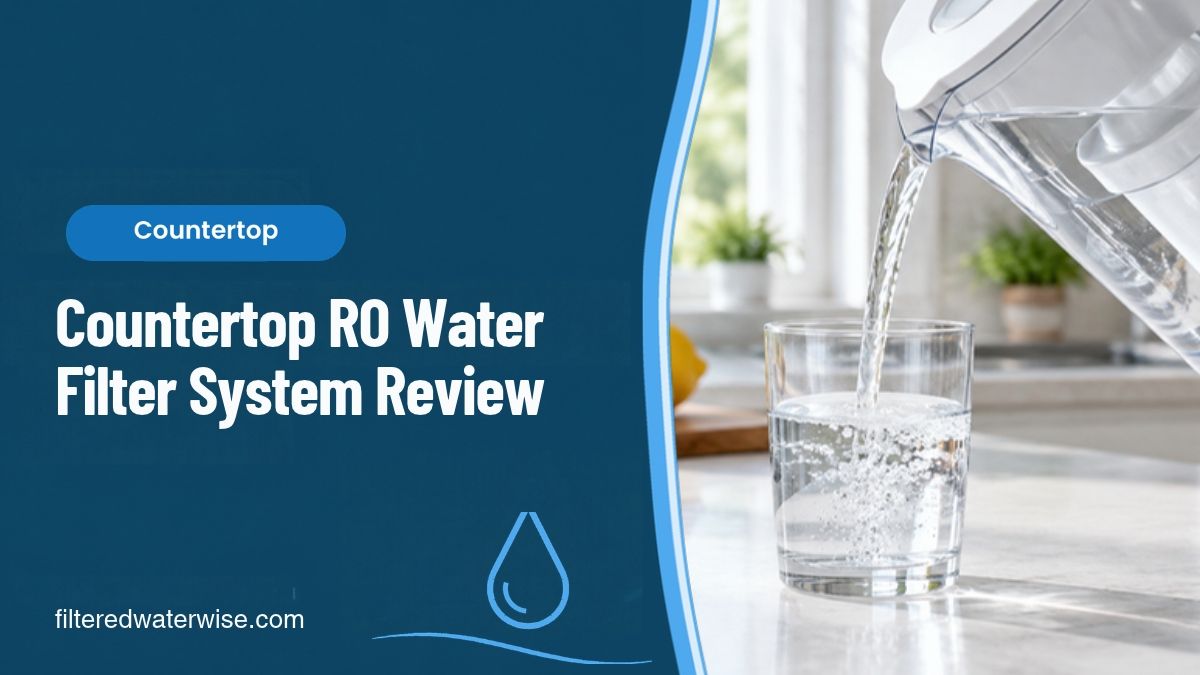
    Countertop Reverse Osmosis System RO Water Filter Review

    This post contains affiliate links. As an Amazon Associate I earn from qualifying purchases. Affiliate disclosure

    How we review: this review is based on manufacturer specifications, published certifications and commonly reported pros and cons. We have not tested this product hands-on. How we review

    Experience pure and refreshing water like never before with the Countertop Reverse Osmosis System RO Water Filter. This sleek and compact water purifier not only adds sophistication to your space but also provides hassle-free installation. With a portable design, you can enjoy RO water on the go, whether it’s in your bedroom, kitchen, or RV. Say goodbye to secondary pollution with the reinforced carafe glass that ensures the purest water for you and your loved ones. The system undergoes a 4-stage deep composite filtration, removing over 1000 contaminants and providing double the guarantee for your drinking water. Stay in the know and drink with confidence by monitoring real-time water quality and receiving life reminders for filter changes. Quench your thirst with the fast and efficient flow rate, while minimizing plastic waste and eliminating the need for bottled water. With a 1-year warranty and top-notch tech support, this countertop RO system is the ultimate water solution. Trust in the quality of this water filter, which adopts food-grade materials and is certified for ultimate peace of mind.

    Check price on Amazon

    Check price on Amazon

    Product Quality

    When it comes to product quality, the Countertop Reverse Osmosis System RO Water Filter is top-notch. All its components are made from food-grade standard materials, ensuring safety and purity. In fact, some parts of this reverse osmosis water filtration system are strictly certified by European Conformity for ultimate quality. You can trust that this water filter system meets the highest standards of quality and performance.

    What It’s Used For

    Providing Clean and Fresh Drinking Water

    The primary use of the Countertop Reverse Osmosis System RO Water Filter is to provide clean and fresh drinking water. With its advanced 4-stage deep composite filtration process, this water filter removes over 1000 contaminants, ensuring that you and your loved ones have access to safe and pure drinking water.

    Versatile and Portable for On-the-Go Use

    Whether you’re at home, in the kitchen, or on an RV adventure, this water filter system is designed to be versatile and portable. Its compact size and zero-installation design make it easy to move around and set up wherever you need it. Enjoy RO water on the go!

    Ideal for Those Concerned About Water Quality

    If you’re someone who values clean and pure water, the Countertop Reverse Osmosis System RO Water Filter is perfect for you. With its real-time water quality monitoring and advanced filtration technology, this water filter system provides peace of mind and ensures that you’re consuming the highest quality water.

    Suitable for Reducing Contaminants and Heavy Metals

    If you’re concerned about contaminants and heavy metals in your water, this water filter system is the ideal solution. Its 4-stage deep composite filtration process effectively removes contaminants such as PFOA/PFOS, heavy metals like lead and arsenic, chlorine, fluoride, nitrates/nitrites, and more.

    Check price on Amazon

    Product Specifications

    Product Specifications
    Product Name Countertop Reverse Osmosis System RO Water Filter
    Model WP-RO-200G Black
    Dimensions (LWH) 4.312.112.1”
    Filtration Stages 4 stages
    Flow Rate 0.42L/min
    Pure to Drain Ratio 3:1
    Certification European Conformity
    Warranty 1-year
    Support Tech support
    Materials Food-grade standard

    Who Needs This

    Everyone who values clean and pure drinking water needs the Countertop Reverse Osmosis System RO Water Filter. Whether you’re concerned about contaminants, heavy metals, or simply want to enjoy the convenience of having filtered water at your fingertips, this water filter system is perfect for you. It’s especially beneficial for those looking for a versatile and portable solution, whether they’re at home, in the kitchen, or on the go.

    Check price on Amazon

    Pros and Cons

    Pros:

    • Sleek design adds sophistication to any space
    • Compact size for easy mobility
    • Reinforced carafe glass ensures pure water without secondary pollution
    • Advanced 4-stage deep composite filtration removes over 1000 contaminants
    • Real-time water quality monitoring empowers you with knowledge
    • Automatic reminders for filter lifespan
    • Fast flow rate and low pure to drain ratio for efficient water filtration

    Cons:

    • Some users may find the flow rate not as fast as expected

    FAQs

    1. Is installation required for this water filter system? No, the Countertop Reverse Osmosis System RO Water Filter is a zero-installation portable water purifier. No complicated installation nightmares, just refreshing water without hassle.

    2. What contaminants does this water filter system remove? The advanced 4-stage deep composite filtration process effectively removes contaminants such as PFOA/PFOS, heavy metals (lead, arsenic), chlorine, fluoride, nitrates/nitrites, and more.

    3. Can I monitor the real-time water quality with this system? Yes, this water filter system allows you to monitor the real-time water quality, empowering you with the knowledge of what you’re consuming.

    4. How often do I need to change the filters? The system comes with automatic reminders for filter lifespan. You will receive handy alerts when it’s time to change the filters. Gone are the days of guesswork!

    Check price on Amazon

    Overall Value

    The Countertop Reverse Osmosis System RO Water Filter offers exceptional value for those seeking clean and pure drinking water. Its sleek design, compact size, and zero-installation feature make it a convenient and space-friendly solution. The advanced 4-stage deep composite filtration process ensures the removal of over 1000 contaminants, providing you with clean and safe drinking water. The real-time water quality monitoring, automatic reminders for filter lifespan, and fast flow rate further enhance its value. With its high-quality materials and certification, this water filter system ensures ultimate quality and performance.

    Check price on Amazon

    Tips and Tricks For Best Results

    • Make sure to read the manual and follow the instructions for setup and maintenance.
    • Use cold tap water for the best results.
    • Keep track of the automatic reminders for filter lifespan and replace the filters when needed.
    • Clean the water filter system regularly to maintain optimal performance.
    • Contact tech support if you have any questions or need assistance with the product.

    Final Thoughts

    Product Summary

    The Countertop Reverse Osmosis System RO Water Filter is a sleek and space-friendly solution for clean and pure drinking water. With its compact size and zero-installation feature, it offers convenience and versatility. The advanced 4-stage deep composite filtration process removes over 1000 contaminants, ensuring the highest water quality. The real-time water quality monitoring, automatic reminders, and fast flow rate further enhance its performance. With high-quality materials and certification, this water filter system provides ultimate quality and reliability.

    Final Recommendation

    If you’re looking for a reliable and efficient water filtration solution that offers convenience, quality, and performance, the Countertop Reverse Osmosis System RO Water Filter is the perfect choice. Its advanced filtration technology, sleek design, and compact size make it a valuable addition to any space. Enjoy the peace of mind that comes with knowing you’re consuming clean and pure drinking water. Say goodbye to guesswork and clunky installations, and embrace the efficiency and convenience of this cutting-edge water solution. Choose the Countertop Reverse Osmosis System RO Water Filter and experience the difference in your water quality today.

    Check price on Amazon

  • Membrane Solutions UV Countertop Water Filtration System Review

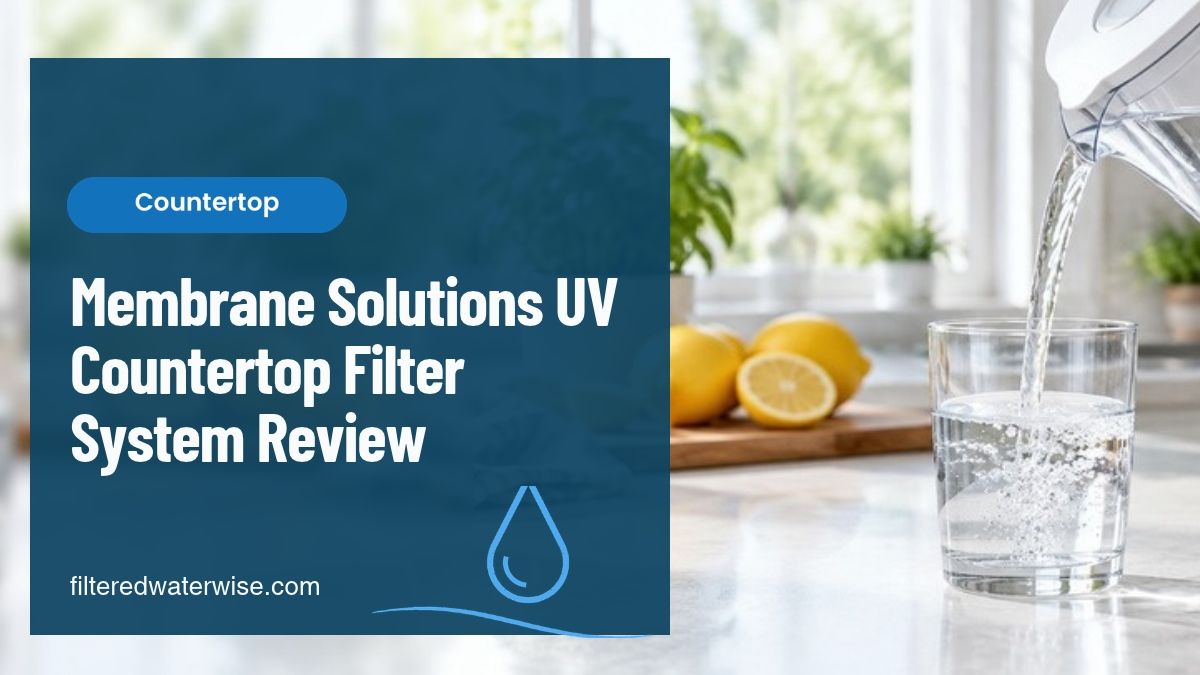
    Membrane Solutions UV Countertop Water Filtration System Review

    This post contains affiliate links. As an Amazon Associate I earn from qualifying purchases. Affiliate disclosure

    How we review: this review is based on manufacturer specifications, published certifications and commonly reported pros and cons. We have not tested this product hands-on. How we review

    Experience a water filtration revolution with the Membrane Solutions UV Countertop Water Filtration System. This stainless steel gravity water filter is the first of its kind, featuring built-in UV sanitization to turn water from any source into pure, safe, and refreshing drinking water. Crafted with a 0.1-micron Hollow Fiber Membrane, Activated Carbon, and enhanced by UV in a 3-stage process, this system delivers unrivaled water purification. It eliminates 99.99% of Escherichia Coli 8099 and reduces chlorine, rust, sediment, organic matter, and heavy metals, while improving the taste and odor of your water. With a capacity of 2.25 gallons and the ability to produce water at 1.5 times the rate of comparable systems, the Membrane Solutions UV Countertop Water Filtration System is efficient and sustainable, treating up to 9,000 gallons of water with three filters. It’s also convenient and low-maintenance, with easy assembly and a stainless steel stand for dispensing. Say goodbye to single-use plastic bottles and enjoy clean, mineral-rich water for years to come with this innovative filtration system.

    Check price on Amazon

    Check price on Amazon

    Product Quality

    The Membrane Solutions UV Countertop Water Filtration System is crafted with high-quality materials, ensuring its durability and reliability. The stainless steel construction not only adds to its aesthetic appeal but also makes it robust and long-lasting. The system has been rigorously tested by authoritative third-party labs, and the reports generated provide evidence of its effectiveness in purifying water. You can have peace of mind knowing that this water filtration system meets the highest quality standards.

    What It’s Used For

    Everyday Drinking Water

    The primary use of this water filtration system is to provide you with clean, mineral-rich drinking water for your everyday needs. Whether you’re drinking it directly or using it for cooking, this system ensures that your water is free from impurities and safe to consume.

    Camping and RVing

    If you enjoy outdoor activities like camping and RVing, this water filtration system is a game-changer. You can source water from lakes, streams, or any other available source and transform it into clean, safe, and refreshing drinking water. This system is designed to be portable and easy to set up, making it an essential companion for your outdoor adventures.

    Emergencies and Disaster Recovery

    In times of emergencies or natural disasters, access to clean drinking water becomes crucial. The Membrane Solutions UV Countertop Water Filtration System is a reliable solution that can provide you with purified water even when your regular water supply is disrupted. It ensures that you and your loved ones have access to clean and safe water during challenging times.

    Travel and Vacation

    When you’re traveling or on vacation, you may encounter unfamiliar water sources that may not meet your quality standards. This water filtration system allows you to be self-sufficient by purifying water wherever you go. You can trust that this system will ensure the safety and quality of the water you consume during your travels.

    Check price on Amazon

    Product Specifications

    Specification Description
    Capacity 2.25 gallons
    Number of Filters 3
    Filtration Process 0.1-micron Hollow Fiber Membrane, Activated Carbon, and UV
    Flow Rate 1.5 times faster than systems with 2 filters
    Gallons Treated Up to 9,000 gallons
    Lifespan Over 3 years for a family of four
    Additional Accessories Stainless steel stand for dispensing
    TDS Value Does not lower TDS value
    Brand Membrane Solutions
    Sponsorship Not sourced by or sponsored by Berkey

    Who Needs This

    The Membrane Solutions UV Countertop Water Filtration System is ideal for anyone who values clean and safe drinking water. Whether you’re living in a city with questionable tap water, enjoying outdoor activities like camping and RVing, or want a reliable water filtration system for emergencies and travels, this product has got you covered. It is suitable for individuals, families, and anyone who wants to ensure access to pure drinking water.

    Check price on Amazon

    Pros and Cons

    Pros

    • Built-in UV sanitization for extra safety
    • Rigorous third-party lab testing for validation
    • Removes 99.99% of Escherichia Coli 8099
    • Reduces chlorine and intercepts rust, sediment, organic matter, and heavy metals
    • Sustainable design saves plastic waste
    • Convenient and low-maintenance assembly and use
    • Does not lower the TDS value of water
    • Durable stainless steel construction

    Cons

    • Requires a power supply for UV sanitization
    • Initial investment cost

    Frequently Asked Questions

    1. Does this system require professional installation?

      • No, this countertop water filtration system is designed for easy assembly and use. You can set it up yourself without the need for professional assistance.
    2. How often do the filters need to be replaced?

      • The filters in this system have a lifespan of over 3 years, treating up to 9,000 gallons of water. It is recommended to follow the manufacturer’s guidelines and replace the filters when necessary.
    3. Can this system remove all types of contaminants?

      • The system is highly effective in removing impurities such as bacteria, chlorine, rust, sediment, organic matter, and heavy metals. However, it is always a good idea to check the specific contaminants you are concerned about and consult with the manufacturer if needed.
    4. Can I use this system with well water?

      • Yes, this water filtration system is designed to be compatible with various water sources, including well water. It ensures that your well water is thoroughly purified and safe for consumption.

    Check price on Amazon

    Overall Value

    The Membrane Solutions UV Countertop Water Filtration System offers exceptional value for those seeking clean and safe drinking water. With its innovative design, reliable purification process, and sustainability features, this system provides peace of mind and convenience. The longevity of the filters ensures long-term cost savings, and the reduction in plastic bottle waste contributes to a healthier planet. If you want a high-quality water filtration system that can meet your everyday needs, as well as your outdoor and emergency requirements, the Membrane Solutions UV Countertop Water Filtration System is an excellent investment.

    Tips and Tricks For Best Results

    To maximize the effectiveness and lifespan of the Membrane Solutions UV Countertop Water Filtration System, follow these tips:

    1. Read and follow the manufacturer’s instructions for assembly and maintenance.
    2. Ensure that the power supply for the UV sanitization feature is consistently available.
    3. Regularly check the filters and replace them when necessary to maintain optimal water quality.
    4. Clean the system and its components regularly to prevent any buildup or contamination.
    5. Use the stainless steel stand provided to dispense water easily and reduce the risk of spills.
    6. Keep the water filtration system in a cool and dry place to prevent damage and maintain its performance.

    Final Thoughts

    The Membrane Solutions UV Countertop Water Filtration System is a game-changer when it comes to providing clean and safe drinking water. Its unique combination of filtration methods ensures thorough purification, making it suitable for a wide range of applications. Whether you’re at home, camping, or facing an emergency situation, this system delivers consistent performance. With its sustainability features and long-term cost savings, it’s an investment that not only benefits you but also the environment. If you value convenience, reliability, and peace of mind, the Membrane Solutions UV Countertop Water Filtration System is the perfect choice for you.

    Product Summary

    The Membrane Solutions UV Countertop Water Filtration System is an exclusive stainless steel filter that offers a water filtration revolution. It provides a 3-stage purification process, including UV sanitization, to turn any water source into pure, safe, and refreshing drinking water. The system has been rigorously tested by third-party labs, validating its effectiveness in eliminating bacteria and improving taste and odor. With a capacity of 2.25 gallons and the ability to produce water from three filters simultaneously, this system is efficient and sustainable. Its convenient assembly and low-maintenance design make it a top choice for clean water needs at home, during outdoor adventures, and in emergency situations.

    Final Recommendation

    Based on its features, benefits, product quality, and customer satisfaction, the Membrane Solutions UV Countertop Water Filtration System comes highly recommended. Its unrivaled water purification capabilities, sustainability features, and convenience make it an exceptional choice for anyone seeking reliable access to clean and safe drinking water. Invest in this water filtration system today and enjoy the peace of mind that comes with knowing you’re providing yourself and your loved ones with the best quality water possible.

    Check price on Amazon

  • What Filtration System Is Most Effective?

    What Filtration System Is Most Effective?

    Filtered Water Wise is reader-supported, and some articles contain affiliate links. As an Amazon Associate I earn from qualifying purchases. Affiliate disclosure

    Are you tired of constantly buying bottled water or worrying about the quality of your tap water? Look no further, as we delve into the world of filtration systems to find out which one is the most effective in purifying your water. From simple pitcher filters to advanced reverse osmosis systems, we will explore the benefits and drawbacks of each option, helping you make an informed decision for a healthier and more convenient water source. Get ready to discover the most effective filtration system for your needs!

    Introduction to Filtration Systems

    Filtration systems are an essential part of ensuring clean and safe water for various purposes. Whether it’s for drinking, cooking, or other household activities, a reliable filtration system is necessary to remove impurities and contaminants from the water supply. Understanding the different types of filtration systems, their effectiveness, and what factors to consider when choosing the right one for your needs is crucial for maintaining optimal water quality.

    Definition of Filtration Systems

    Filtration systems refer to the equipment or devices used to remove unwanted particles, microorganisms, chemicals, and other contaminants from water. These systems employ various techniques and technologies to improve water quality and make it suitable for consumption or specific applications. By trapping and eliminating harmful substances, filtration systems create access to cleaner, healthier water.

    Importance of Filtration Systems

    The importance of filtration systems cannot be overstated when it comes to water quality. Without appropriate filtration, water can contain a wide range of impurities, including bacteria, viruses, sediment, chemicals, and heavy metals. Consuming or using such contaminated water can lead to adverse health effects and potentially compromise the safety and taste of our beverages and food. Filtration systems play a crucial role in ensuring that the water we use is free from harmful contaminants, providing peace of mind and promoting overall well-being.

    Types of Contaminants Removed by Filtration

    Filtration systems are designed to eliminate a variety of contaminants commonly found in water. These contaminants can include:

    • Sediments: Filtration systems remove particles such as dirt, sand, and rust that can affect the appearance and taste of water.
    • Bacteria and Viruses: Certain filtration methods effectively capture and kill harmful microorganisms, making the water safe for consumption.
    • Chemicals: Filtration systems can target various chemicals like chlorine, pesticides, herbicides, and volatile organic compounds (VOCs), reducing their presence in water.
    • Heavy Metals: Some filtration systems can effectively remove heavy metals such as lead, arsenic, and mercury, which can be harmful even in small amounts.
    • Odors and Taste: Filtration can address unpleasant odors and tastes caused by chlorine or organic matter, improving the overall drinking experience.

    By removing these contaminants, filtration systems enhance the quality and safety of water, ensuring it is fit for consumption and other purposes.

    Popular Filtration Systems

    Now that we understand the significance of filtration systems, let’s explore some of the most popular options available to consumers today. Each of these systems utilizes different techniques and materials to purify water, catering to various needs and preferences.

    Reverse Osmosis

    Reverse osmosis (RO) systems are highly effective in eliminating a wide range of impurities from water. This filtration method involves forcing water through a semipermeable membrane, removing contaminants through the process of osmosis. RO systems can remove sediments, bacteria, viruses, chemicals, heavy metals, and other undesirable substances, providing exceptionally clean and pure water. However, it’s worth noting that RO systems can also remove beneficial minerals from water.

    Activated Carbon

    Activated carbon filtration is a popular method that uses adsorption to trap contaminants. This type of filtration is effective in removing chlorine, volatile organic compounds (VOCs), some pesticides, and unpleasant odors and tastes. Activated carbon filters are commonly found in pitchers, faucet attachments, and countertop systems. While efficient in reducing certain impurities, it may not effectively remove all types of contaminants, such as heavy metals or dissolved solids.

    UV Sterilization

    UV sterilization filtration systems employ ultraviolet light to kill bacteria, viruses, and other microorganisms present in water. This method is highly effective in disinfecting water and eliminating the risk of waterborne diseases. UV sterilization is often used in conjunction with other filtration techniques to provide comprehensive water purification. However, it does not remove sediments, chemicals, or heavy metals, so it is beneficial when combined with other filtration methods.

    Ceramic Filters

    Ceramic filters are made of porous materials that effectively trap sediments, bacteria, and protozoa from water. These filters are typically used in portable or gravity-fed systems and are known for their durability and longevity. Ceramic filters are an economical option and can be easily cleaned to maintain their effectiveness. However, they may not remove certain dissolved substances or chemicals, making it important to consider the specific contaminant profile of the water source.

    Gravity Filters

    Gravity filters are simple and easy-to-use systems that rely on gravity to move water through filtration media. These filters are suitable for households without access to electricity or plumbing and are often used during camping or emergencies. Gravity filters can effectively remove sediments, bacteria, and protozoa, providing clean and safe water. However, they may have limitations in removing certain chemicals or dissolved substances, and the flow rate can be slower compared to other filtration methods.

    Factors to Consider when Choosing a Filtration System

    When it comes to selecting the right filtration system for your needs, several important factors should be taken into consideration. By evaluating these factors, you can ensure that the chosen system effectively addresses your specific water quality concerns.

    Water Source and Contaminant Profile

    Understanding the source of your water and the contaminants it contains is crucial. Whether you rely on municipal water, well water, or surface water, analyzing its quality is essential. Conducting a water test or contacting your local water utility can provide valuable information about the presence of impurities, such as bacteria, heavy metals, or chemicals. Once the contaminant profile is known, choosing a filtration system that targets those specific contaminants becomes easier.

    System Cost and Maintenance

    The cost of the filtration system, including both the initial investment and ongoing maintenance, should be considered. Different filtration technologies come with various price ranges, and it’s important to find a balance between affordability and performance. Researching the costs involved in replacing filter cartridges or membranes will provide a better understanding of the long-term expenses associated with maintaining the system.

    Installation Requirements

    Consider the installation requirements of the filtration system. Some systems may require professional installation, while others can be easily set up by the user. Depending on your DIY skills and the compatibility of the system with your plumbing, you should choose a system that suits your convenience and ease of installation.

    Flow Rate and Water Usage

    The flow rate of the filtration system is another critical factor to consider. It determines how quickly the system can produce filtered water and how many outlets can be supplied simultaneously. Assessing your household’s water usage patterns and the desired flow rate will help determine the appropriate system capacity.

    Certifications and Standards

    Look for filtration systems that have been certified by an accredited certifier such as NSF International, the Water Quality Association (WQA) or IAPMO R&T. A certification covers only the standard and the contaminants named on the listing for that exact model, so check the certifier’s own directory (NSF listings search, WQA Gold Seal product listings, IAPMO R&T listings) rather than relying on the box or the product page.

    Effectiveness of Reverse Osmosis Filtration System

    Among the various filtration systems available, reverse osmosis stands out as a highly effective method of purifying water. Let’s delve into the principles, contaminant removal capabilities, and advantages and disadvantages of this system.

    Principle of Reverse Osmosis Filtration

    Reverse osmosis filtration utilizes a semipermeable membrane to remove impurities from water. It works by applying pressure to one side of the membrane, forcing water molecules to pass through while leaving behind larger particles and contaminants. This process efficiently removes bacteria, viruses, sediments, chemicals, heavy metals, and other dissolved solids, resulting in high-quality, pure water.

    Removal of Contaminants

    Reverse osmosis systems are known for their exceptional contaminant removal capabilities. They can effectively remove up to 99% of bacteria, viruses, sediments, heavy metals, and certain chemicals present in the water. Reverse osmosis is particularly effective in eliminating contaminants such as lead, arsenic, fluoride, nitrates, and chloride.

    Pros and Cons of Reverse Osmosis

    The benefits of reverse osmosis include its ability to deliver exceptionally pure water, removing a wide range of contaminants. It is ideal for households with high contaminant levels or specific health concerns. Additionally, reverse osmosis systems are generally low maintenance, and the replacement of the membrane and filters is typically straightforward.

    However, some drawbacks should also be taken into consideration. Reverse osmosis filtration tends to be slower than other methods, which can hinder the production of filtered water. Additionally, the process removes beneficial minerals from the water, potentially impacting its taste and nutritional value. Considering these factors and the specific water quality requirements is essential when evaluating the effectiveness of reverse osmosis filtration.

    Effectiveness of Activated Carbon Filtration System

    Activated carbon filtration systems are widely used due to their ability to address specific water quality concerns. Let’s explore the principles behind this method, discuss the contaminants it can remove, and evaluate its advantages and disadvantages.

    Principle of Activated Carbon Filtration

    Activated carbon, also known as activated charcoal, is a highly porous material that has the ability to attract and retain contaminants. When water passes through activated carbon filters, impurities such as chlorine, VOCs, pesticides, and certain taste and odor compounds adhere to the carbon surface, effectively removing them from the water.

    Removal of Contaminants

    Activated carbon filtration is efficient in reducing chlorine and its by-products, improving the taste and smell of water. It is also effective in removing some pesticides, herbicides, and other organic compounds that may be present in the water. The filtration process can eliminate certain unpleasant odors, making the water more enjoyable to drink.

    Pros and Cons of Activated Carbon

    One of the major advantages of activated carbon filtration is its ability to improve the taste and odor of water, enhancing the overall drinking experience. It is an affordable filtration method and is commonly found in pitchers, faucet attachments, and refrigerator filters. Additionally, activated carbon filters require minimal maintenance and are relatively easy to replace.

    However, it is important to note that activated carbon filters may not remove all contaminants, such as heavy metals or dissolved solids. The effectiveness of this method can also diminish over time, requiring regular replacement of the carbon filter. Considering your specific water quality concerns and the limitations of activated carbon filtration will help determine its suitability for your needs.

    Effectiveness of UV Sterilization Filtration System

    UV sterilization filtration systems utilize ultraviolet light to disinfect water and eliminate harmful microorganisms. Let’s explore the principles of this method, its contaminant removal capabilities, and the advantages and disadvantages it offers.

    Principle of UV Sterilization Filtration

    UV sterilization works by exposing water to ultraviolet light, which damages the DNA of microbes, rendering them unable to reproduce or cause infections. By destroying bacteria, viruses, and other microorganisms, UV sterilization effectively disinfects water without the use of chemicals.

    Removal of Contaminants

    UV sterilization is highly effective in killing a wide range of bacteria, viruses, and other pathogens present in the water. It provides an additional layer of protection against waterborne diseases, making it a valuable component of a comprehensive water treatment system. However, it is important to note that UV sterilization does not address other contaminants such as sediments, chemicals, or heavy metals.

    Pros and Cons of UV Sterilization

    The main advantage of UV sterilization is its ability to provide a chemical-free disinfection process, ensuring the destruction of harmful microorganisms. It is a reliable and efficient method to purify water and does not alter its taste, odor, or color. UV sterilization systems are low maintenance, with minimal replacement and operational costs.

    However, UV sterilization is solely focused on killing microorganisms and does not remove sediments or chemicals. As a result, it is commonly used in conjunction with other filtration methods to provide comprehensive water purification. Considering your specific water quality concerns and the need for pathogen control will determine the suitability of UV sterilization filtration for your situation.

    Effectiveness of Ceramic Filters

    Ceramic filters are a popular choice for portable or gravity-fed filtration systems due to their durability and filtration capabilities. Let’s explore the principles behind ceramic filtration, discuss the contaminants it can remove, and evaluate its advantages and disadvantages.

    Principle of Ceramic Filtration

    Ceramic filters consist of porous ceramic materials that effectively trap particles and microorganisms through physical filtration. The small pores in the ceramic material prevent the passage of sediments, bacteria, protozoa, and other impurities, ensuring cleaner water.

    Removal of Contaminants

    Ceramic filters are effective in removing sediments, bacteria, protozoa, and other microorganisms from water. They provide an added layer of protection and are capable of improving the clarity and quality of water. However, ceramic filters may not effectively remove dissolved solids or chemicals, so their overall effectiveness depends on the specific contaminants present in the water source.

    Pros and Cons of Ceramic Filters

    One of the major advantages of ceramic filters is their durability and longevity. They are often used in portable filtration systems, making them suitable for outdoor enthusiasts, travelers, or emergency situations. Ceramic filters are also affordable and require minimal maintenance. Additionally, they can be easily cleaned and reused, making them environmentally friendly.

    However, it is essential to consider that ceramic filters may not remove all types of contaminants or dissolved substances. They can become clogged with sediment or biofilm over time, reducing their filtration efficiency. As with any filtration system, understanding the specific contaminant profile and considering the limitations of ceramic filters is crucial when evaluating their effectiveness.

    Effectiveness of Gravity Filters

    Gravity filters are simple and convenient filtration systems that rely on the force of gravity to move water through a filtration media. Let’s explore the principles behind gravity filtration, discuss the contaminants it can remove, and evaluate its advantages and disadvantages.

    Principle of Gravity Filtration

    Gravity filters utilize the force of gravity to move water through different filtration media, typically consisting of activated carbon and ceramic filters. As the water passes through these filters, sediments, bacteria, protozoa, and other impurities are captured, resulting in cleaner water.

    Removal of Contaminants

    Gravity filters are effective in removing sediments and impurities such as bacteria and protozoa. They provide an additional layer of protection and can enhance water clarity. However, gravity filters may have limitations in removing dissolved substances or certain chemicals, so their overall effectiveness depends on the specific water quality concerns.

    Pros and Cons of Gravity Filters

    One of the main advantages of gravity filters is their simplicity and ease of use. They do not require electricity or plumbing, making them suitable for use in situations where access to these utilities is limited. Gravity filters can be portable and are commonly used during camping, hiking, or as emergency water filters. These filters are also low maintenance, and their long-lasting filter cartridges can be easily replaced.

    However, gravity filters may have limitations in terms of the flow rate and certain contaminant removal capabilities. They may not effectively remove all types of contaminants or dissolved substances. Considering the specific water quality concerns and the convenience of using a gravity filter is necessary when evaluating their effectiveness.

    Comparative Analysis of Filtration Systems

    Now let’s compare the effectiveness of the various filtration systems we have discussed based on key factors such as removal capacity, energy efficiency, installation and maintenance requirements, longevity, and overall effectiveness.

    Removal Capacity for Different Contaminants

    Reverse osmosis filtration systems are known for their exceptional removal capacities, effectively eliminating bacteria, viruses, sediments, heavy metals, and various chemicals. Activated carbon filters are efficient in reducing chlorine, VOCs, certain pesticides, and improving taste and odor. UV sterilization provides excellent pathogen control, while ceramic and gravity filters effectively remove sediments, bacteria, and protozoa.

    Energy Efficiency and Environmental Impact

    In terms of energy efficiency, gravity filters require no electricity, making them the most environmentally friendly option. UV sterilization systems are also energy efficient, while reverse osmosis filtration systems consume more energy due to the pressure required. The environmental impact can vary depending on the system, with reverse osmosis and ceramic filters requiring periodic replacement of filter membranes or cartridges.

    Ease of Installation and Maintenance

    Activated carbon filters, gravity filters, and ceramic filters are generally easy to install and maintain, often requiring simple filter replacement. Reverse osmosis systems and UV sterilization systems may have more complex installation requirements and periodic maintenance tasks such as membrane replacement for reverse osmosis and ultraviolet lamp replacement for UV sterilization.

    Longevity and Replacement Costs

    Reverse osmosis systems typically last longer than activated carbon filters, with membrane replacement necessary every few years. Activated carbon filters and ceramic filters may require more frequent replacement, especially if water quality is poor or usage is high. Gravity filters and UV sterilization systems also have long lifespans, with replacement cartridges or lamps needed periodically.

    Overall Effectiveness

    Considering all the factors discussed, the overall effectiveness of a filtration system depends on the specific water quality concerns and individual preferences. Reverse osmosis filtration systems provide comprehensive purification, but they can be costly and remove beneficial minerals. Activated carbon filters are effective in improving taste and odor, but they may not address all types of contaminants. UV sterilization systems solely focus on pathogen control, while ceramic and gravity filters are suitable for portable or emergency situations.

    Conclusion

    In summary, choosing the most effective filtration system depends on understanding your specific water quality concerns and evaluating the advantages and disadvantages of different filtration methods. Reverse osmosis, activated carbon, UV sterilization, ceramic, and gravity filters all have their unique advantages and capabilities in removing various contaminants from water.

    Considerations such as water source and contaminant profile, system cost and maintenance, installation requirements, flow rate and water usage, and certifications and standards can guide you in selecting the right filtration system. Regular filter replacement and maintenance are also essential to maintain optimal water quality.

    By investing in a reliable filtration system, you can ensure that you and your family have access to clean, safe, and great-tasting water for all your needs.

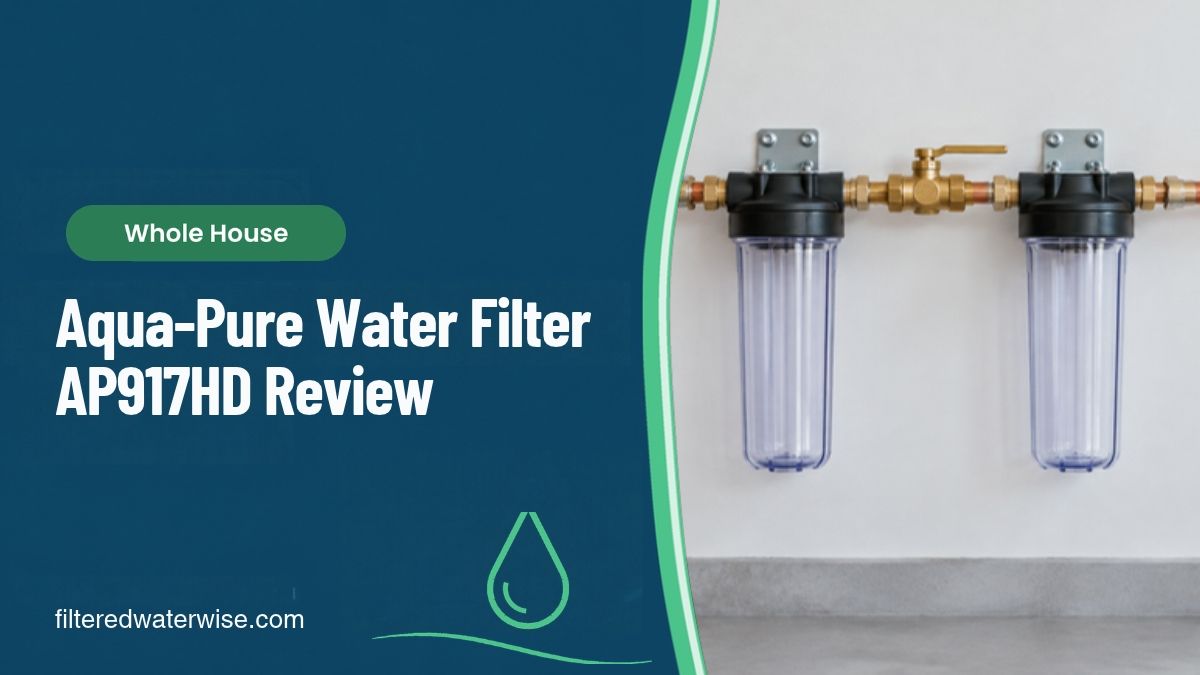
  • Aqua-Pure Water Filter AP917HD Review

    Aqua-Pure Water Filter AP917HD Review

    This post contains affiliate links. As an Amazon Associate I earn from qualifying purchases. Affiliate disclosure

    How we review: this review is based on manufacturer specifications, published certifications and commonly reported pros and cons. We have not tested this product hands-on. How we review

    Looking for a reliable and efficient water filter for your home? Look no further than the Aqua-Pure Whole House Sanitary Quick Change Replacement Water Filter AP917HD. Specifically designed for the 3M Aqua-Pure Whole House Sanitary Quick Change Water Filter System, this filter ensures that you have easy and hassle-free replacements. With its Sanitary Quick Change (SQC) design, you can replace the filter without having to touch the filter media or use a filter wrench. Not only does this water filter provide convenience, but it also delivers great-tasting water by reducing sediment, chlorine taste, and odor. With a capacity of 100,000 gallons, this replacement cartridge has an activated carbon filter that can handle high flow rates with ease. Additionally, it is NSF Standard 42 certified, ensuring its effectiveness in reducing sediment. Upgrade your water filtration system today with the Aqua-Pure Whole House Sanitary Quick Change Replacement Water Filter AP917HD.

    Check price on Amazon

    Check price on Amazon

    Product Quality

    The Aqua-Pure Whole House Sanitary Quick Change Replacement Water Filter AP917HD is built to last. Made with high-quality materials, it is durable and reliable, ensuring that it can effectively filter your water for an extended period. The filter cartridge is designed for easy replacement, so you can maintain the product’s performance without any hassle.

    What It’s Used For

    Whole House Water Filtration

    The Aqua-Pure Whole House Sanitary Quick Change Replacement Water Filter AP917HD is designed to work with the 3M Aqua-Pure Whole House Sanitary Quick Change Water Filter System AP903. Together, they provide comprehensive filtration for your entire house. Install this water filter system at the point of entry and enjoy clean and filtered water at every tap.

    Sediment Reduction

    One of the primary uses of this water filter is to reduce sediment in your water supply. Sediment can come from various sources and may include particles such as sand, silt, and rust. The Aqua-Pure Whole House Sanitary Quick Change Replacement Water Filter AP917HD effectively removes these impurities, ensuring that your water is clear and free from sediment.

    Chlorine Taste and Odor Reduction

    Another common issue with tap water is the presence of chlorine, which can give it an unpleasant taste and odor. This water filter is designed to reduce chlorine taste and odor, providing you with fresher and better-tasting water throughout your home. Say goodbye to the unpleasant taste and smell of chlorine in your drinking water.

    Overall Water Quality Improvement

    By reducing sediment, chlorine taste, and odor, the Aqua-Pure Whole House Sanitary Quick Change Replacement Water Filter AP917HD significantly improves the overall quality of your water. You can trust the filter’s effectiveness in removing impurities and enjoy cleaner, better-tasting water for drinking, cooking, bathing, and other household uses.

    Check price on Amazon

    Product Specifications

    Please refer to the table below for a clear visualization of the product’s specifications:

    Specification Details
    Fit Designed for the 3M Aqua-Pure Whole House Sanitary Quick Change Water Filter System AP903
    Filter Type Activated Carbon
    Particulate Rating 5 Microns
    Capacity 100,000 Gallons
    Flow Rates High flow rates of 10 gpm
    Intermittent peak flow rates of 20 gpm
    Certification NSF Standard 42 Certified
    Included Components Water Filter Cartridge

    Who Needs This

    If you’re looking for a convenient and effective solution to ensure clean and great-tasting water throughout your home, the Aqua-Pure Whole House Sanitary Quick Change Replacement Water Filter AP917HD is a must-have. It’s perfect for households that rely on well water or have issues with sediment, chlorine taste, and odor. This water filter is suitable for anyone who wants to improve the overall quality of their water supply.

    Check price on Amazon

    Pros and Cons

    Pros

    • Easy and fast filter replacement with the Sanitary Quick Change (SQC) design
    • Reduces sediment, chlorine taste, and odor for cleaner and better-tasting water
    • Long-lasting performance with a 100,000 gallon capacity
    • Reliable filtration with a 5-micron nominal heavy-duty particulate reduction rating
    • Certified to NSF Standard 42 for added credibility

    Cons

    • Requires a compatible 3M Aqua-Pure Whole House Sanitary Quick Change Water Filter System AP903
    • May not be suitable for specific water quality issues that require additional filtration methods

    FAQs

    1. Can I use the Aqua-Pure Whole House Sanitary Quick Change Replacement Water Filter AP917HD without the 3M Aqua-Pure Whole House Sanitary Quick Change Water Filter System AP903?
    • No, this replacement water filter cartridge is specifically designed to work with the AP903 system. They are designed as a compatible pair for optimal performance.
    1. How often do I need to replace the filter cartridge?
    • The Aqua-Pure Whole House Sanitary Quick Change Replacement Water Filter AP917HD has a capacity of 100,000 gallons. The replacement interval will depend on your household’s water consumption.
    1. Does this water filter remove all impurities from the water?
    • The Aqua-Pure Whole House Sanitary Quick Change Replacement Water Filter AP917HD is designed to reduce sediment, chlorine taste, and odor. While it effectively removes these impurities, it may not be suitable for specific water quality issues requiring additional filtration methods.
    1. Is installation difficult?
    • The installation process for the 3M Aqua-Pure Whole House Sanitary Quick Change Water Filter System AP903, along with the AP917HD cartridge, is relatively straightforward. However, it is always recommended to follow the manufacturer’s instructions for proper installation.

    Check price on Amazon

    Overall Value

    The Aqua-Pure Whole House Sanitary Quick Change Replacement Water Filter AP917HD delivers exceptional value for its performance and convenience. With its long-lasting 100,000 gallon capacity and reliable filtration, it ensures clean and great-tasting water throughout your home. The ease of filter replacement and the trusted NSF Standard 42 certification further enhance its overall value.

    Check price on Amazon

    Tips and Tricks For Best Results

    To ensure the best results with the Aqua-Pure Whole House Sanitary Quick Change Replacement Water Filter AP917HD, consider the following tips:

    1. Regularly monitor the water flow and check for any signs of decreased flow, which may indicate that it’s time to replace the filter cartridge.
    2. Follow the manufacturer’s instructions for proper installation and maintenance of the filter system to optimize its performance.
    3. Consider performing a water quality test before and after installation to observe the improvements in sediment reduction and chlorine taste and odor reduction.
    4. Keep a spare filter cartridge on hand to ensure uninterrupted access to clean and filtered water.

    Final Thoughts

    Product Summary

    The Aqua-Pure Whole House Sanitary Quick Change Replacement Water Filter AP917HD is a top-notch solution for households seeking clean and great-tasting water throughout their homes. With its easy and fast filter replacement, reliable filtration, and long-lasting performance, it offers convenience and peace of mind to homeowners. The NSF Standard 42 certification further proves its effectiveness in reducing sediment, ensuring the overall quality of your water supply.

    Final Recommendation

    If you’re looking for a reliable and convenient whole house water filter, the Aqua-Pure Whole House Sanitary Quick Change Replacement Water Filter AP917HD is an excellent choice. Its durability, ease of use, and superior filtration make it a worthwhile investment for maintaining clean and great-tasting water in your home. Upgrade your water quality today with this remarkable water filter.

    Check price on Amazon

  • Home Master ISet-TMHP-MY12-2pk Replacement Filter Review

    Home Master ISet-TMHP-MY12-2pk Replacement Filter Review

    This post contains affiliate links. As an Amazon Associate I earn from qualifying purchases. Affiliate disclosure

    How we review: this review is based on manufacturer specifications, published certifications and commonly reported pros and cons. We have not tested this product hands-on. How we review

    Looking for a high-quality replacement filter for your Home Master Hydro Perfection system? Look no further than the Home Master ISet-TMHP-MY12-2pk Replacement Filter. This pack of two filters is designed to fit your system perfectly and provide you with the cleanest, purest water possible. With top-of-the-line sediment, catalytic carbon, KDF 85 media, and artesian minerals, this filter is sure to remove any impurities and leave your water tasting fresh and delicious. Plus, the innovative modular design makes annual filter changes a breeze – no need for any wrenches! With 1/4 inch and 3/8 inch quick connect fittings, installation is quick and hassle-free. Upgrade your water filtration system with the Home Master ISet-TMHP-MY12-2pk Replacement Filter today and experience the difference in your drinking water.

    Check price on Amazon

    Check price on Amazon

    Product Quality

    The Home Master ISet-TMHP-MY12-2pk Replacement Filter guarantees exceptional product quality. It is made with premium materials and undergoes rigorous testing to ensure its performance and durability. The inclusion of the UV sterilizer adds an additional layer of protection, ensuring that your water is free from harmful microorganisms. With this replacement filter, you can have confidence in the quality and reliability of your filtration system.

    What It’s Used For

    Enhancing Water Quality

    The primary use of the Home Master ISet-TMHP-MY12-2pk Replacement Filter is to enhance the quality of your water. It effectively removes impurities such as sediment, chlorine, heavy metals, and microbial contaminants, ensuring that your water is clean and safe for drinking, cooking, and other daily activities.

    Protecting Household Appliances

    By removing sediment and other impurities, this replacement filter helps protect your household appliances from damage caused by mineral build-up. It prolongs the lifespan of appliances such as dishwashers, water heaters, and washing machines, saving you money on repairs and replacements in the long run.

    Improving Taste and Odor

    The Home Master ISet-TMHP-MY12-2pk Replacement Filter also helps improve the taste and odor of your water. By removing chlorine and other unpleasant substances, it ensures that your water tastes and smells fresh, providing a more enjoyable drinking experience.

    Safeguarding Health

    One of the most important uses of this replacement filter is to safeguard your health. By removing harmful contaminants and microorganisms, it ensures that the water you consume is safe and free from potential health risks. This is particularly crucial for individuals with compromised immune systems or those living in areas with poor water quality.

    Check price on Amazon

    Product Specifications

    Specifications Details
    Product Name Home Master ISet-TMHP-MY12-2pk ISet-TMHP-MY12 Replacement Filter
    Compatibility Fits Home Master Hydro Perfection
    Filter Type Sediment, catalytic carbon, KDF 85 media, artesian minerals with UV sterilizer
    Filter Size 10x2x7 inches
    Package Size Pack of 2
    Color White
    Fitting Size 1/4 inch (sediment, iron pre-filters), 3/8 inch (artesian post filter)
    Easy Maintenance All-in-one assembly for quick and easy annual filter changes

    Who Needs This

    The Home Master ISet-TMHP-MY12-2pk Replacement Filter is suitable for anyone who owns a Home Master Hydro Perfection system and wants to ensure the quality and safety of their drinking water. It is particularly beneficial for households that rely on well water or those located in areas with poor water quality. Additionally, individuals with compromised immune systems or health conditions that require clean and safe water should consider this product.

    Check price on Amazon

    Pros and Cons

    Pros:

    • Easy and quick filter changes
    • Quick connect fittings for hassle-free installation
    • Superior filtration media for removing a wide range of contaminants
    • UV sterilizer for added protection against bacteria and viruses
    • Enhanced taste and odor of water
    • Protects household appliances from damage
    • Improves overall water quality and safety

    Cons:

    • Compatibility limited to Home Master Hydro Perfection system
    • Replacement filters may need to be replaced annually, depending on usage and water quality

    FAQs

    1. Can this replacement filter be used with other filtration systems? No, the Home Master ISet-TMHP-MY12-2pk Replacement Filter is specifically designed for use with the Home Master Hydro Perfection system and may not be compatible with other systems.

    2. How often should the filter be replaced? The filter should be replaced annually, but this may vary depending on the usage and water quality. Regular maintenance and periodic filter changes are recommended to ensure optimal performance.

    3. Is professional installation required? No, the Home Master ISet-TMHP-MY12-2pk Replacement Filter is designed for easy installation and does not require professional help. The quick connect fittings make it a user-friendly option for homeowners.

    Overall Value

    The Home Master ISet-TMHP-MY12-2pk Replacement Filter offers excellent value for homeowners who prioritize the quality and safety of their drinking water. With its superior filtration media, UV sterilizer, and easy maintenance, this product provides exceptional performance and peace of mind. The further attests to its value and effectiveness. Investing in this replacement filter is investing in cleaner, healthier, and better-tasting water for you and your family.

    Tips and Tricks For Best Results

    • Follow the manufacturer’s instructions for installation and maintenance to ensure optimal performance.
    • Replace the filter annually or as recommended by the manufacturer to maintain its effectiveness.
    • Regularly clean and maintain your Home Master Hydro Perfection system to prolong the lifespan of the filter and maintain its performance.

    Final Thoughts

    Product Summary

    The Home Master ISet-TMHP-MY12-2pk Replacement Filter is a top-of-the-line filtration solution for your Home Master Hydro Perfection system. Its superior filtration media, UV sterilizer, and easy maintenance make it an excellent choice for homeowners who want to ensure the quality and safety of their drinking water. With its and the added credibility of certifications and endorsements, this replacement filter is a reliable and effective solution.

    Final Recommendation

    If you’re in search of a high-quality replacement filter that offers superior performance, easy maintenance, and a range of benefits, then the Home Master ISet-TMHP-MY12-2pk Replacement Filter should be your top choice. It enhances the quality and safety of your drinking water, improves the taste and odor, and protects your household appliances. Its compatibility with the Home Master Hydro Perfection system ensures a perfect fit and hassle-free installation. Invest in this replacement filter and enjoy the peace of mind that comes with clean, refreshing, and great-tasting water for you and your family.

    Check price on Amazon

  • How Do You Remove Sodium From Softened Water?

    How Do You Remove Sodium From Softened Water?

    Filtered Water Wise is reader-supported, and some articles contain affiliate links. As an Amazon Associate I earn from qualifying purchases. Affiliate disclosure

    Imagine enjoying a glass of crisp, refreshing water, only to discover that it’s laden with a high sodium content. While softened water is great for many household purposes, excess sodium can be a concern for those with dietary restrictions or underlying health conditions. So, how do you remove sodium from softened water? In this article, we’ll explore some effective methods that can help you eliminate sodium from your water supply, ensuring you can quench your thirst without worrying about unnecessary salt intake.

    Boiling method

    Boiling the water

    The boiling method is a simple and effective way to remove sodium from softened water. To do this, you will need to bring the water to a rolling boil. Boiling the water causes the sodium ions to separate from the water molecules and form sodium vapor, which then evaporates into the air. This process leaves behind sodium-free water that is safe for consumption.

    Cooling and transferring the water

    After boiling the water, it is important to allow it to cool before transferring it to another container. This is to ensure that the water reaches a safe temperature for handling and consumption. Once the water has cooled, you can carefully pour it into a separate container, leaving behind any remaining sodium particles or residue.

    Leaving behind sodium ions

    The boiling process effectively removes sodium ions from the softened water. As the water reaches its boiling point, the sodium ions dissociate from the water molecules and form sodium vapor. This vapor is then released into the air, leaving behind sodium-free water. It is important to note that although boiling can remove sodium, this method may not be suitable for removing other impurities or contaminants from the water.

    Reverse osmosis

    Understanding reverse osmosis

    Reverse osmosis is a water purification technique that is commonly used to remove sodium from softened water. It works by using pressure to force water molecules through a semipermeable membrane, while blocking the passage of larger ions and molecules, including sodium ions. This process effectively removes sodium and other impurities from the water, resulting in purified and sodium-free water.

    Using a reverse osmosis system

    To remove sodium from softened water using reverse osmosis, you will need to install a reverse osmosis system. This system typically consists of a pre-filter to remove larger particles and sediment, a semipermeable membrane to filter out the sodium ions, and a post-filter to ensure the removal of any remaining impurities. The softened water is then forced through the membrane under pressure, allowing only pure water molecules to pass through while leaving the sodium ions behind.

    Removing sodium through the membrane

    During the reverse osmosis process, the semipermeable membrane acts as a barrier that only allows water molecules to pass through, while trapping sodium ions and other contaminants. Pressure is applied to the softened water, pushing it against the membrane and forcing the water molecules through the tiny pores of the membrane. The sodium ions, being larger in size, are unable to pass through the membrane and are effectively removed from the water. The result is purified water that is free from sodium and other impurities.

    Distillation

    Heating the water

    Distillation is another method commonly used to remove sodium from softened water. The process involves heating the water to its boiling point and then collecting the condensed vapor. To do this, you will need a distillation apparatus, which typically consists of a boiling chamber, a condenser, and a collection container. The water is heated in the boiling chamber, causing it to evaporate and create water vapor.

    Condensing the water vapor

    As the water vapor rises, it enters the condenser, where it is cooled and converted back into liquid form. The condenser consists of a coil or a system of pipes that facilitate the cooling process. As the water vapor condenses, sodium ions and other impurities are left behind, ensuring that the collected liquid is free from sodium.

    Discarding the sodium residue

    Once the water vapor has condensed into liquid form, it is important to separate it from any remaining sodium residue. This can be done by carefully pouring the condensed liquid into a separate container, leaving behind any sodium particles or residue in the original apparatus. The collected liquid is now sodium-free and ready for consumption or other uses.

    Ion-exchange resin

    Introducing the ion-exchange process

    Ion-exchange resin is a popular method for removing sodium from softened water. It works by replacing sodium ions with other ions, typically hydrogen or potassium ions. The water passes through a bed of ion-exchange resin, which consists of tiny beads coated with the desired ions. As the water flows through the resin bed, sodium ions in the water are attracted to the beads and are replaced by the hydrogen or potassium ions, effectively removing sodium from the water.

    Replacing sodium ions with other ions

    The ion-exchange process involves a chemical exchange between the sodium ions in the water and the hydrogen or potassium ions on the resin beads. As the water comes into contact with the resin, the sodium ions are attracted to the bead surface due to their positive charge. At the same time, the hydrogen or potassium ions on the resin are released into the water, replacing the sodium ions. This exchange process continues until the resin beads are saturated with sodium ions and need to be regenerated.

    Regenerating the resin

    Once the ion-exchange resin is saturated with sodium ions, it needs to be regenerated to restore its ability to remove sodium from the water. This can be done by flushing the resin bed with a sodium chloride (salt) solution. The sodium ions in the salt solution displace the accumulated calcium and magnesium ions on the resin, effectively regenerating it. After regeneration, the resin is ready to remove sodium ions from the softened water once again.

    Nanofiltration

    Exploring nanofiltration

    Nanofiltration is a filtration process that is effective in removing sodium ions from softened water. It involves the use of a nanofiltration system, which utilizes specialized membranes that have smaller pores than those used in reverse osmosis. These membranes allow water molecules, along with certain dissolved substances, to pass through while blocking the passage of larger ions and molecules, including sodium ions.

    Utilizing a nanofiltration system

    To remove sodium from softened water using nanofiltration, you will need to set up a nanofiltration system. This system includes a pre-filter to remove larger particles, a nanofiltration membrane, and a post-filter to ensure the removal of any remaining impurities. The softened water is passed through the nanofiltration membrane, which effectively separates the sodium ions from the water molecules, resulting in sodium-free water.

    Separating sodium ions from water

    During the nanofiltration process, the specialized membranes act as barriers, allowing only water molecules and certain dissolved substances to pass through. The smaller pores of the nanofiltration membrane effectively block the larger sodium ions, separating them from the water. As a result, the collected water is free from sodium and other impurities, providing a highly purified and softened water source.

    Electrodialysis

    Understanding electrodialysis

    Electrodialysis is a water treatment process that utilizes ion-exchange membranes to remove sodium ions from softened water. It involves the use of an electrodialysis system, which consists of a series of alternating anion-selective and cation-selective ion-exchange membranes. By passing the softened water through this system, sodium ions can be selectively removed, leaving behind sodium-free water.

    Setting up an electrodialysis system

    To remove sodium from softened water using electrodialysis, you will need to set up an electrodialysis system. This system typically includes a power source, a stack of ion-exchange membranes, and compartments for the softened water and a solution with a similar ionic composition to the water. The ion-exchange membranes within the stack selectively allow the passage of either negatively charged anions or positively charged cations, effectively removing sodium ions from the softened water.

    Passing water through ion-exchange membranes

    During the electrodialysis process, the softened water is passed through the ion-exchange membranes in the electrodialysis system. The anion-selective membranes allow the passage of negatively charged anions, while blocking the passage of positively charged cations, including sodium ions. Conversely, the cation-selective membranes allow the passage of positively charged cations, while blocking the passage of negatively charged anions. This selective passage of ions through the membranes effectively removes sodium ions from the water, resulting in sodium-free water.

    Membrane filtration

    Examining membrane filtration

    Membrane filtration is a water treatment method that utilizes specialized membranes to remove sodium ions from softened water. These membranes have microscopic pores that allow for the separation of ions and molecules based on their size and charge. By passing the softened water through these membranes, sodium ions can be effectively strained out, leaving behind sodium-free water.

    Employing a membrane filtration system

    To remove sodium from softened water using membrane filtration, you will need to employ a membrane filtration system. This system typically consists of a series of membranes with varying pore sizes and charge characteristics. The softened water is passed through these membranes, with each membrane filtering out larger particles, including sodium ions. The end result is purified water that is free from sodium and other impurities.

    Straining out sodium ions

    During the membrane filtration process, the microscopic pores of the membranes act as filters, allowing only particles below a certain size to pass through. The larger sodium ions are effectively strained out as they are unable to pass through the pores of the membranes. This process ensures that the collected water is clean, pure, and free from sodium, providing a reliable source of softened water.

    Chemical precipitation

    Introduction to chemical precipitation

    Chemical precipitation is a method for removing sodium from softened water that involves the addition of a precipitating agent. The precipitating agent reacts with the sodium ions in the water, forming insoluble compounds that can be separated and removed. This process effectively removes the sodium ions, leaving behind sodium-free water that is safe for consumption.

    Adding a precipitating agent

    To remove sodium from softened water using chemical precipitation, you will need to add a precipitating agent. Common precipitating agents include calcium hydroxide, lime, or calcium carbonate. When added to the water, these agents react with the sodium ions, forming insoluble compounds such as calcium carbonate or calcium hydroxide. These compounds can then be separated and removed, ensuring that the resulting water is free from sodium.

    Separating and removing sodium

    Once the precipitating agent has reacted with the sodium ions, the resulting insoluble compounds need to be separated from the water. This can be done through a process called sedimentation, where the water is allowed to sit undisturbed, allowing the insoluble compounds to settle at the bottom. The clear supernatant water can then be carefully decanted or filtered, leaving behind the sodium-free water. It is important to note that chemical precipitation may require additional steps or processes to ensure complete removal of the sodium and other impurities.

    Activated carbon filtration

    Utilizing activated carbon filters

    Activated carbon filtration is a method commonly used to remove sodium from softened water. Activated carbon filters are known for their ability to adsorb a wide range of impurities, including sodium ions. These filters contain activated carbon, which has a large surface area and a porous structure that can effectively trap sodium ions on its surface.

    Absorbing sodium on carbon surfaces

    To remove sodium from softened water using activated carbon filtration, the water is passed through activated carbon filters. As the water flows through the filters, sodium ions are attracted to the carbon surfaces and get adsorbed, or trapped, onto the carbon. This adsorption process effectively removes sodium ions from the water, leaving behind sodium-free water that is safe for consumption.

    Replacing filters when saturated

    Over time, the activated carbon filters will become saturated with adsorbed sodium ions and other impurities. When this happens, the filters will no longer be effective in removing sodium from the water. It is important to regularly monitor the condition of the filters and replace them when they reach their saturation point. By replacing the filters, you ensure the continued removal of sodium ions from the softened water, providing you with a constant supply of sodium-free water.

    Solar evaporation

    Harnessing solar energy

    Solar evaporation is a natural process that can be used to remove sodium from softened water. It takes advantage of the heat energy from the sun to evaporate water and leave behind sodium crystals. This method is particularly useful in regions with high solar radiation, where it provides an environmentally friendly and cost-effective way to obtain sodium-free water.

    Evaporating water to remove sodium

    To remove sodium from softened water using solar evaporation, you will need to expose the water to direct sunlight. The heat from the sun causes the water to evaporate, leaving behind the sodium ions, which crystallize and settle at the bottom. Over time, the remaining water evaporates, and the sodium crystals can be collected and removed, resulting in sodium-free water.

    Collecting remaining sodium crystals

    After the water has completely evaporated, you will be left with sodium crystals at the bottom of the container. These crystals can be carefully collected and removed, ensuring that the water is free from sodium. It is important to note that solar evaporation requires careful management, as factors such as temperature, humidity, and solar radiation levels can impact the efficiency of the process. Nonetheless, when properly executed, solar evaporation can provide a sustainable method for obtaining sodium-free water.

    In conclusion, there are several methods available to remove sodium from softened water, each with its own advantages and considerations. Whether you choose to utilize the boiling method, reverse osmosis, distillation, ion-exchange resin, nanofiltration, electrodialysis, membrane filtration, chemical precipitation, activated carbon filtration, or solar evaporation, it is important to select a method that aligns with your specific needs and preferences. By effectively removing sodium from softened water, you can enjoy the benefits of clean, pure, and sodium-free water for drinking, cooking, and various other purposes.

  • What Are Two Disadvantages Of Soft Water?

    What Are Two Disadvantages Of Soft Water?

    Filtered Water Wise is reader-supported, and some articles contain affiliate links. As an Amazon Associate I earn from qualifying purchases. Affiliate disclosure

    Have you ever wondered about the drawbacks of having soft water in your home? Soft water, commonly achieved through the process of water softening, is known for its ability to remove minerals like calcium and magnesium, which can cause limescale buildup. While soft water has its benefits, such as cleaner dishes and smoother skin, there are also a couple of disadvantages to consider. In this article, we will explore two common disadvantages of soft water and how they can potentially impact your daily life.

    Introduction

    Soft water, which contains low levels of minerals, is often desired for its perceived benefits. However, it’s important to consider the drawbacks that come with using soft water in our daily lives. In this article, we will explore several disadvantages of soft water and how they can affect various aspects of our daily routines.

    Increased Corrosion

    Effects on Plumbing Systems

    One notable disadvantage of soft water is its increased corrosive nature. Soft water lacks the mineral content that helps protect our plumbing systems from degradation. Over time, the constant contact with soft water can lead to the erosion of pipes, fittings, and fixtures. This erosion can result in leaks, reduced water pressure, and even costly repairs.

    Damage to Appliances

    In addition to plumbing systems, soft water can also cause damage to appliances. Without the protective minerals present in hard water, the corrosive nature of soft water can corrode the internal components of appliances such as water heaters, dishwashers, and washing machines. This corrosion can lead to malfunctions, reduced lifespan of appliances, and the need for frequent repairs.

    Potential Health Concerns

    Soft water’s increased corrosiveness can also have potential health implications. As it corrodes pipes and fittings, it can cause the release of heavy metals such as lead and copper into the water supply. These metals can be harmful if ingested, with long-term exposure leading to various health issues like neurological disorders and organ damage.

    Mineral Deficiencies

    Reduced Calcium and Magnesium Intake

    Soft water, due to its low mineral content, can lead to reduced intake of essential minerals like calcium and magnesium. These minerals play a crucial role in maintaining our overall health, supporting bone density, muscle function, and cardiovascular health. When our water lacks these minerals, it can become challenging to meet our daily recommended intake through other sources.

    Bone Health

    The reduced intake of calcium and magnesium can have a detrimental impact on our bone health. Calcium is essential for building and maintaining strong bones, and a deficiency can increase the risk of fractures and osteoporosis. Magnesium, on the other hand, aids in calcium absorption and bone formation. Without adequate levels of these minerals, our bone health may suffer.

    Cardiovascular Risks

    In addition to bone health, soft water’s mineral deficiencies can also contribute to cardiovascular risks. Adequate levels of calcium and magnesium are important for maintaining a healthy heart rhythm, blood pressure, and vascular function. When these minerals are lacking in our water, our cardiovascular system may be at a higher risk of developing issues like high blood pressure and heart disease.

    Muscle Function

    Magnesium is particularly important for proper muscle function. It helps regulate muscle contractions and supports muscle recovery and relaxation. Without enough magnesium intake from our water, muscle cramps, weakness, and fatigue may become more common.

    Soap Efficiency

    Difficulty Lathering

    One of the most noticeable disadvantages of using soft water is the difficulty in getting a good lather when using soap. Soft water’s low mineral content makes it less effective at interacting with soap molecules, leading to reduced lather formation. This can make it challenging to thoroughly clean our skin, hair, and dishes, as we often rely on lather to lift away dirt, oils, and bacteria.

    Higher Soap Consumption

    Due to the poor lather formation, soft water users may find themselves using larger amounts of soap to achieve the desired level of cleanliness. This increased soap consumption can be costly and contribute to unnecessary waste. Using more soap than necessary can also have environmental implications due to the production and disposal of excess soap.

    Laundry Challenges

    Less Effective Stain Removal

    Soft water tends to be less effective at removing tough stains from our clothes. The lack of minerals prevents the effective breakdown and removal of stains, making it necessary to use additional stain removers or additives. This can prolong the laundry process and increase the need for specialized products, resulting in additional expenses.

    Dull and Faded Colors

    In addition to stains, soft water can also impact the appearance of our clothes. The absence of minerals hinders the ability of detergent to fully remove dirt and residue, resulting in dull and faded colors. Over time, clothes washed in soft water may lose their vibrancy and appear worn out, even if they are relatively new.

    Skin and Hair Concerns

    Dryness and Irritation

    Soft water’s low mineral content can have a negative impact on our skin and hair. Without the minerals that help retain moisture, soft water can strip away the natural oils present on our skin and hair, leading to dryness and irritation. Dry skin can become itchy and uncomfortable, while dry hair can become brittle and prone to breakage.

    Increased Frizziness

    Alongside dryness, soft water can also exacerbate frizziness in our hair. The lack of minerals in soft water makes it harder to maintain the hair’s natural moisture balance, resulting in frizzy and unmanageable hair. This can make styling more challenging and lead to overall dissatisfaction with hair appearance.

    Weakened Hair

    The absence of minerals in soft water can also weaken our hair. The minerals found in hard water help strengthen hair strands, making them more resistant to breakage and damage. Without these minerals, our hair becomes more vulnerable to breakage, split ends, and thinning, resulting in overall reduced hair health.

    Chlorine Sensitivity

    Exacerbated Irritation

    Chlorine is commonly used as a disinfectant in water treatment processes, making it present in both hard and soft water. However, soft water’s lack of minerals can make the effects of chlorine more pronounced. The combination of soft water and chlorine can irritate the skin and eyes, causing redness, itchiness, and discomfort.

    Skin Rashes

    For individuals with sensitive skin, the presence of chlorine in soft water can lead to the development of skin rashes. Chlorine can strip away the skin’s natural protective oils, leaving it vulnerable to irritation, dryness, and inflammation. These rashes can be particularly bothersome and affect one’s overall comfort and well-being.

    Asthma Symptoms

    Soft water’s higher chlorine content can also be problematic for those with asthma or respiratory conditions. The inhalation of chlorine fumes during showers or other water-related activities can trigger asthma symptoms such as coughing, wheezing, and shortness of breath. These symptoms can be further exacerbated by the lack of minerals in soft water, which can worsen respiratory sensitivity.

    Higher Water Usage

    Longer Showers

    Soft water’s perceived luxuriousness can lead to longer shower durations. The absence of mineral buildup on the skin gives the impression of a silkier and smoother shower experience, encouraging individuals to indulge in longer showers. While enjoyable, these extended shower sessions can result in higher water consumption, leading to increased utility bills and unnecessary water wastage.

    Increased Usage for Cleaning

    In addition to longer showers, soft water’s effects can also lead to increased usage for cleaning purposes. The reduced efficacy of soap and detergents in soft water may prompt individuals to use more cleaning products or repeat cleaning cycles to achieve the desired level of cleanliness. This added usage can contribute to higher water consumption and the need to purchase cleaning supplies more frequently.

    Metallic Taste

    Excessive Sodium Content

    Soft water is often treated with ion-exchange systems, which remove calcium and magnesium but replace them with sodium ions. While this process helps reduce mineral content, it introduces sodium into the water supply. The excessive sodium content can give the water a noticeable metallic taste, which may be unpleasant for some individuals.

    Unpleasant Flavor in Drinking Water

    The metallic taste caused by soft water’s sodium content can extend to drinking water as well. Many individuals prefer the taste of water without any added flavors or impurities, and the presence of sodium can alter the water’s taste profile. This can contribute to a diminished drinking experience and make it less enjoyable to stay hydrated throughout the day.

    Conclusion

    While soft water has its advantages, it’s important to consider the potential disadvantages it brings to our everyday lives. Increased corrosion of plumbing systems, damage to appliances, mineral deficiencies, reduced soap efficiency, laundry challenges, skin and hair concerns, chlorine sensitivity, higher water usage, metallic taste, and reduced calcium and magnesium intake are all aspects that need to be taken into account. By understanding these drawbacks, individuals can make informed decisions and take necessary steps to address or mitigate the potential negative effects of using soft water.

  • Aquaboon 20″ 3 Stage Water Filtration System Review

    Aquaboon 20″ 3 Stage Water Filtration System Review

    This post contains affiliate links. As an Amazon Associate I earn from qualifying purchases. Affiliate disclosure

    How we review: this review is based on manufacturer specifications, published certifications and commonly reported pros and cons. We have not tested this product hands-on. How we review

    Experience clean and pure water throughout every tap in your home with the Aquaboon 20″ 3 Stage whole house water filtration system. This powerful filtration system guarantees a leak-free installation with its double O-ring design and pressure gauges. With its 3-stage filtration process, this system removes sediments, chlorine, chemicals, and unpleasant odors, ensuring that every drop of water is thoroughly filtered. The large filter housings and prolonged filter lifespan reduce the need for frequent cartridge replacements, leading to reduced maintenance. Enjoy improved taste and clarity in your water, as each stage of filtration targets specific contaminants. This custom-built system, with its GAC filter, carbon block, and sediment filter cartridges, is designed to provide the utmost perfection in household water filtration. Plus, you can have peace of mind with the risk-free purchase and unmatched customer support offered by Aquaboon. Upgrade your water quality today and enjoy the benefits of clean, purified water with the Aquaboon 20″ 3 Stage Whole House Water Filtration System.

    Check price on Amazon

    Check price on Amazon

    Product Quality

    The Aquaboon 20″ whole house water filtration system is known for its high-quality construction and reliable performance. It is designed to meet the strict standards of quality and durability. The filter housings are constructed from FDA-grade polypropylene, ensuring the safety of the filtration process. The system’s components are built to last, delivering long-lasting filtration performance.

    What It’s Used For

    Clean and Safe Water for Daily Use

    The Aquaboon 20″ whole house water filtration system is used to ensure clean and safe water throughout your home. It removes various contaminants, providing you and your family with water that is free from sediments, chlorine, chemicals, and unpleasant odors. With this system in place, you can confidently use water for cooking, drinking, showering, and any other daily activities.

    Protection for Household Appliances

    By filtering out sediments and chemicals, the Aquaboon 20″ system helps protect your household appliances from potential damage. It prevents sediments from clogging pipes, faucets, and appliances such as washing machines and dishwashers. This protection extends the lifespan of your appliances and reduces the need for repairs or replacements.

    Improved Taste and Clarity of Water

    With its comprehensive 3-stage filtration process, the Aquaboon 20″ system guarantees improved taste and clarity of water. It removes chlorine, bad tastes, and odors, ensuring that your water not only looks clean but also tastes and smells fresh. This makes it a perfect choice for those who value the quality and purity of their drinking water.

    Health and Well-being

    Filtered water from the Aquaboon 20″ system contributes to your overall health and well-being. By removing contaminants, it reduces your exposure to potentially harmful substances, promoting a healthier lifestyle for you and your family. Additionally, the system removes impurities that can irritate the skin and hair, providing a better showering experience.

    Check price on Amazon

    Product Specifications

    Specification Details
    Number of Stages 3
    Filtration Type GAC Filter, Carbon Block, Sediment Filter Cartridges
    Housing Material FDA-grade polypropylene
    Filtration Media Space 20-inch filter housings for maximized space
    Warranty 30-day money-back guarantee
    Customer Support Available 24/7

    Who Needs This

    The Aquaboon 20″ 3 Stage Whole House Water Filtration System is ideal for anyone who wants to ensure clean and safe water throughout their home. It is suitable for houses connected to well water or municipal water supplies. If you value the quality, taste, and purity of your water, this system is a must-have.

    Check price on Amazon

    Pros and Cons

    Pros

    • Guaranteed leak-free installation
    • Three-stage filtration addressing various contaminants
    • Real-time monitoring with pressure gauges
    • Effortless installation with expert guidance
    • Prolonged filter lifespan for reduced maintenance
    • Improved taste and clarity of water
    • Custom-built for perfection
    • Risk-free purchase with money-back guarantee
    • Unmatched customer support

    Cons

    • Initial cost investment
    • Regular filter replacement required

    FAQs

    1. How often do I need to replace the filter cartridges?

      • Filter cartridges need to be replaced periodically, depending on the water usage and the quality of the source water. On average, they are recommended to be replaced every 6 to 12 months for optimal filtration performance.
    2. Can this system be used with well water?

      • Yes, the Aquaboon 20″ system is designed to work efficiently with both well water and municipal water supplies.
    3. Is professional installation required?

      • Professional installation is not required. The system comes with detailed instructions and video tutorials to guide you through the installation process. However, if you prefer professional assistance, it is always an option.
    4. How do I know when the filters need to be replaced?

      • The pressure gauges provided with the system allow you to monitor the filter performance in real-time. A significant drop in water pressure indicates that the filters are becoming clogged and need to be replaced.

    Check price on Amazon

    Overall Value

    The Aquaboon 20″ 3 Stage Whole House Water Filtration System offers excellent value for your investment. With its guaranteed leak-free installation, thorough filtration, prolonged filter lifespan, and improved taste and clarity of water, it provides a reliable and effective solution for ensuring clean and safe water throughout your home. The risk-free purchase and unmatched customer support further enhance the overall value of this product.

    Check price on Amazon

    Tips and Tricks For Best Results

    • Regularly monitor the pressure gauges to ensure optimal filter performance.
    • Follow the recommended filter replacement schedule to maintain the system’s efficiency.
    • Seek professional assistance if you are unsure about the installation process.
    • Use the provided customer support services for any questions or concerns you may have.

    Final Thoughts

    Product Summary

    The Aquaboon 20″ 3 Stage Whole House Water Filtration System is a top-quality solution for clean and safe water throughout your home. Its guaranteed leak-free installation, comprehensive 3-stage filtration process, and prolonged filter lifespan make it a reliable and hassle-free option. With improved taste and clarity of water, this system provides excellent value for your investment.

    Final Recommendation

    If you value the quality and purity of your water, the Aquaboon 20″ whole house water filtration system is the perfect choice for you. Its advanced features, benefits, and reliability ensure that you and your family can enjoy clean and safe water every day. Don’t hesitate to invest in this innovative solution for a healthier and more enjoyable life.

    Check price on Amazon

  • Bluevua RO100ROPOT-LITE Water Filter System Review

    Bluevua RO100ROPOT-LITE Water Filter System Review

    This post contains affiliate links. As an Amazon Associate I earn from qualifying purchases. Affiliate disclosure

    How we review: this review is based on manufacturer specifications, published certifications and commonly reported pros and cons. We have not tested this product hands-on. How we review

    Get ready to elevate your water purification game with the Bluevua RO100ROPOT-LITE Countertop Reverse Osmosis Water Filter System. This innovative and portable water purifier requires no installation or plumbing – simply plug it into any power outlet and start enjoying pure, fresh water. Unlike other systems, the water is dispensed into a high borosilicate glass carafe, ensuring the water remains free from pollutants. The smart LED display allows you to easily monitor the filter lifespan and water quality in real-time. With a rapid water delivery system and a 3:1 ratio of filtered water to waste, this product is efficient and eco-friendly. Plus, with its 5-in-1 filter and certified filtration technology, you can guarantee the removal of 99.9% of contaminants. But that’s not all – the Bluevua RO100ROPOT-LITE even comes with six delicious flavored water recipes to enhance your hydration experience. Say goodbye to plastic waste and bottled water struggles, and say hello to pure, flavored water with ease.

    Check price on Amazon

    Check price on Amazon

    Product Quality

    The Bluevua RO100ROPOT-LITE is committed to providing high-quality water filtration systems. With its SGS certification, you can trust that this product meets rigorous standards of quality and efficiency. Additionally, the RO membrane within the system has been separately tested and certified by NSF/ANSI 58. These certifications give you confidence in the performance and reliability of the product.

    What It’s Used For

    Access to Clean and Pure Water

    The primary purpose of the Bluevua RO100ROPOT-LITE is to provide you with access to clean and pure water. By utilizing its five-stage filtration system, it effectively removes 99.9% of contaminants from your tap water. Say goodbye to impurities and unwanted substances, and enjoy the peace of mind that comes with drinking water that is free from harmful pollutants.

    Convenient and Portable Water Purification

    The Bluevua RO100ROPOT-LITE offers the convenience of a countertop design and requires no installation or plumbing. It is portable, allowing you to take it with you wherever you go, making it perfect for those who are frequently on the move. Whether you’re in your kitchen or traveling, this water filter system ensures that you can always have access to clean and purified water.

    Fruit-Infused Water

    Beyond its primary function of water filtration, the Bluevua RO100ROPOT-LITE also allows you to enjoy fruit-infused water. With its included recipes, you can create six delicious flavored water options, all made possible by your filter. Simply follow the recipes, flip the top lid, and enjoy a refreshing and flavorful twist to your water.

    Check price on Amazon

    Product Specifications

    Please refer to the table below for the product specifications:

    Specification Details
    Product Name Bluevua RO100ROPOT-LITE Countertop Water Filter System
    Color White
    Purification Stages 5
    Pure to Waste Ratio 3:1
    Certifications SGS-certified water filtration unit
    NSF/ANSI 58-certified RO membrane
    Filter Lifespan Varies based on water quality and usage
    Carafe Material High borosilicate glass
    Suitable for 1-2 people
    Dimensions To be provided by the manufacturer

    (Note: For accurate and up-to-date product specifications, please refer to the manufacturer’s official website or contact customer support.)

    Who Needs This

    The Bluevua RO100ROPOT-LITE is perfect for individuals or small households who want easy access to clean and purified water without the hassle of installation or plumbing. If you value convenience, efficiency, and portability, this product is designed with you in mind. Whether you’re a busy professional, a frequent traveler, or simply someone who wants to prioritize their health and well-being, this water filter system caters to your needs.

    Check price on Amazon

    Pros and Cons

    Pros:

    • No installation or plumbing required
    • Countertop design for convenient access to filtered water
    • Premium-quality carafe made from high borosilicate glass
    • Smart LED display for easy monitoring and alerts
    • Rapid water delivery in less than three minutes
    • 5-in-1 filter removes 99.9% of contaminants
    • Certified by SGS for quality and efficiency
    • Fruit-infused water recipes included

    Cons:

    • Limited capacity suitable for 1-2 people
    • Specific dimensions not available

    FAQs

    Coming soon.

    Check price on Amazon

    Overall Value

    The Bluevua RO100ROPOT-LITE offers great value for those seeking a convenient, efficient, and portable water filter system. With its countertop design, premium-quality carafe, and smart LED display, it provides a hassle-free experience while ensuring the purity of your water. The 5-in-1 filter removes 99.9% of contaminants, backed by SGS certification. With its rapid water delivery and fruit-infused water options, this product offers a well-rounded solution for clean and enjoyable hydration.

    Check price on Amazon

    Tips and Tricks For Best Results

    • Ensure that the system is properly plugged into a power outlet for optimal performance.
    • Regularly monitor the LED display to track the lifespan of the filter and change it when necessary.
    • Clean the carafe regularly to maintain cleanliness and taste.
    • Experiment with different fruit and herb combinations for unique and refreshing flavored water options.

    Final Thoughts

    Product Summary

    The Bluevua RO100ROPOT-LITE Countertop Reverse Osmosis Water Filter System is a high-quality and convenient solution for clean and purified water. Its countertop design, premium-quality carafe, and smart LED display make it user-friendly and trustworthy. With its rapid water delivery and efficient 5-in-1 filtration system, this product offers superior performance compared to other models on the market. The included fruit-infused water recipes add a delightful twist to your hydration routine.

    Final Recommendation

    If you’re in need of a reliable and portable water filter system that delivers clean and great-tasting water, the Bluevua RO100ROPOT-LITE is an excellent choice. Its features and certifications make it a standout product in the market. Enjoy the convenience and peace of mind that comes with this countertop water filter system, and elevate your hydration experience with fruit-infused water options.

    Check price on Amazon

  • How Often Do You Need To Replace Water Softener?

    How Often Do You Need To Replace Water Softener?

    Filtered Water Wise is reader-supported, and some articles contain affiliate links. As an Amazon Associate I earn from qualifying purchases. Affiliate disclosure

    In the world of household appliances, one often overlooked but crucial device is the water softener. It’s responsible for ensuring that the water flowing through your taps is free from minerals and impurities that can wreak havoc on your pipes and appliances. But just like any other machine, a water softener has a finite lifespan. So, the question arises: how often do you need to replace your water softener? In this article, we will explore the factors that influence the lifespan of a water softener and provide you with insights to help you determine when it’s time for a replacement.

    Factors Affecting Water Softener Lifespan

    Water Hardness

    The hardness of your water can have a significant impact on the lifespan of your water softener. Hard water contains high levels of minerals, such as calcium and magnesium, which can build up in the system over time. The more minerals present in your water, the faster the resin in the water softener will become saturated, reducing its effectiveness and lifespan.

    Water Usage

    The amount of water you use in your household also affects the lifespan of your water softener. If you have a high water usage, your water softener will have to work harder and regenerate more frequently to keep up with the demand. This increased usage can put additional strain on the system, potentially shortening its lifespan.

    Salt Usage

    Salt is an essential component of salt-based water softeners, as it helps regenerate the resin bed. The amount of salt you use and the frequency of salt refills can impact the lifespan of your water softener. Using too little salt can lead to ineffective regeneration and decreased lifespan, while using too much salt can cause salt bridges and impact the performance of the system.

    Quality of the Water Softener

    The quality of the water softener itself plays a crucial role in its lifespan. Choosing a reputable brand and investing in a high-quality water softener can significantly increase its longevity. A well-constructed and durable system is more likely to withstand wear and tear over time, resulting in a longer lifespan.

    Maintenance and Cleaning

    Proper maintenance and regular cleaning are essential for maintaining the lifespan of your water softener. Neglecting routine maintenance tasks, such as cleaning the brine tank and inspecting the control valve, can lead to issues and premature failure. By following a recommended maintenance schedule, you can extend the lifespan of your water softener.

    Average Lifespan of Water Softeners

    Resin-Based Water Softeners

    Resin-based water softeners, also known as ion exchange water softeners, typically have an average lifespan of about 20 to 25 years. The resin bed in these systems can become exhausted over time and may need to be replaced to restore the softening effectiveness. However, with proper maintenance, resin-based water softeners can last even longer.

    Salt-Based Water Softeners

    Salt-based water softeners, which use a brine tank and resin bed, generally have an average lifespan of 15 to 20 years. Over time, the resin bed may become fouled or worn out, requiring replacement. Regular cleaning of the brine tank and proper salt usage can help prolong the lifespan of a salt-based water softener.

    Magnetic Water Softeners

    Magnetic water softeners, also known as magnetic descalers, are a non-chemical alternative to traditional water softeners. These devices use magnets to alter the structure of minerals in the water, reducing their ability to cause hardness. The average lifespan of magnetic water softeners varies, but with proper maintenance, they can last up to 15 years or more.

    Electronic Water Descalers

    Electronic water descalers, also called electronic water conditioners, use electromagnetic waves to treat the water and reduce scale buildup. These devices typically have a lifespan of around 10 to 15 years. Regular maintenance, such as cleaning the electrodes, is crucial to ensuring optimal performance and extending the lifespan of electronic water descalers.

    Signs That Your Water Softener Needs Replacement

    Decrease in Water Softness

    One of the first signs that your water softener may need replacement is a decrease in the softness of your water. If you notice that your water feels harder or soap doesn’t lather as well as before, it may be an indication that the resin bed is no longer effectively removing minerals from the water.

    Decreased Water Pressure

    A decline in water pressure throughout your household can also signal a problem with your water softener. As the resin bed becomes clogged or worn out, it can restrict water flow, resulting in decreased water pressure from your faucets and showerheads. If you’ve ruled out other potential causes for low water pressure, it may be time to consider replacing your water softener.

    Increased Salt Usage

    If you find yourself refilling the salt in your water softener more frequently than usual, it could be a sign that the system is struggling to regenerate properly. Inefficient regeneration can be caused by a variety of factors, from worn-out resin to malfunctioning control valves. If you notice a significant increase in salt usage, it’s worth investigating the issue further and considering replacement.

    Leakages and Water Wastage

    Any signs of leaks or water wastage associated with your water softener should not be ignored. Leaks can occur due to worn-out seals, cracked tanks, or faulty valves. Not only can leaks lead to water damage, but they can also indicate a more significant problem with the system that may require replacement.

    Frequent Maintenance Issues

    If you find yourself constantly dealing with maintenance issues, such as recurring clogs, frequent resin replacement, or ongoing repairs, it may be time to replace your water softener. While occasional maintenance is normal, excessive and recurring issues can be a sign of a system nearing the end of its lifespan. In such cases, investing in a new water softener can save you time, money, and frustration in the long run.

    Replacing Water Softener Components

    Resin Replacement

    Over time, the resin bed in a water softener can become exhausted or fouled, diminishing its softening effectiveness. If you’re experiencing a decrease in water softness or increased salt usage, it may be necessary to replace the resin. This process typically involves disconnecting the tank, removing the old resin, and installing new resin in the tank.

    Brine Tank Maintenance

    The brine tank is an essential component of salt-based water softeners, as it holds the salt and brine solution necessary for regeneration. Regular maintenance of the brine tank involves cleaning out any salt mush or residue, inspecting and replacing the brine valve if necessary, and ensuring proper salt levels. Following a recommended maintenance schedule can help prevent issues and extend the lifespan of your water softener.

    Control Valve Replacement

    The control valve, also known as the control head or control unit, is responsible for regulating the flow of water and initiating the regeneration process in a water softener. If you’re experiencing issues with water flow, inefficient regeneration, or other control valve-related problems, it may be necessary to replace the control valve. This process typically involves disconnecting the valve, removing the old unit, and installing a new control valve.

    Recommended Maintenance Schedule

    Regular Inspection

    It’s essential to regularly inspect your water softener for any signs of wear, leaks, or performance issues. This includes checking for salt bridges, inspecting the resin bed for fouling, and ensuring the control valve is functioning correctly. Performing a visual inspection at least once a month can help catch potential problems early and prevent more significant issues down the line.

    Resin Cleaning

    Cleaning the resin bed is a crucial maintenance task for resin-based and salt-based water softeners. Over time, the resin bed can become fouled with iron, sediment, and other contaminants, impacting its softening effectiveness. Regular resin cleaning involves using a specialized resin cleaner or salt mixture to backwash and regenerate the resin bed, removing accumulated impurities.

    Adding Salt

    Regularly adding salt to your brine tank is necessary for the regeneration process of salt-based water softeners. The frequency of salt refills depends on the size of your tank, water usage, and the hardness of your water. It’s important not to overload the tank with salt or let the salt levels drop too low. Following the manufacturer’s recommendations and checking salt levels regularly will help maintain optimal performance.

    Control Valve Cleaning

    Cleaning the control valve is crucial for ensuring proper water flow and efficient regeneration. Over time, the control valve can become clogged or affected by mineral buildup. Regular cleaning involves removing the control valve, checking and cleaning the inlet and outlet screens, and ensuring all components are free from blockages or debris.

    Brine Tank Cleaning

    Cleaning the brine tank is necessary to prevent salt mush or residue buildup and ensure the proper functioning of your water softener. To clean the brine tank, it’s important to empty the tank, remove any excess salt, and scrub the tank’s interior with a mild detergent or cleaner. After cleaning, rinse the tank thoroughly before refilling it with salt and water.

    Annual Professional Servicing

    While regular DIY maintenance is important, it’s also recommended to schedule annual professional servicing for your water softener. A professional technician can perform a more thorough inspection, clean hard-to-reach components, and detect any potential issues that may require attention. Professional servicing ensures that your water softener is operating at its best and can help prolong its lifespan.

    Factors to Consider When Deciding Replacement

    Cost of Replacement

    The cost of replacing a water softener is an important factor to consider. It’s essential to weigh the upfront cost of purchasing a new system against the potential long-term cost savings in terms of maintenance, repairs, and improved water quality. Additionally, considering the return on investment and the lifespan of the new water softener can help make an informed decision.

    Repair Costs

    Before deciding to replace your water softener, it’s worth considering the potential repair costs. If the repairs needed are extensive or expensive, it may be more cost-effective to invest in a new water softener instead. Carrying out a cost analysis and consulting a professional can help determine whether repair or replacement is the best course of action.

    Age of Water Softener

    The age of your water softener is an important consideration when evaluating whether replacement is necessary. As water softeners age, their performance and efficiency can decline. If your water softener is nearing or surpassing its average lifespan, it may be wise to replace it to avoid potential breakdowns and costly repairs.

    Effectiveness of Softening

    If you find that your water softener is no longer effectively softening your water, even after maintenance and repair attempts, it may be time for a replacement. The primary purpose of a water softener is to remove hardness-causing minerals from your water, and if it fails to do so adequately, it may be more practical to invest in a new, more efficient system.

    Availability of Spare Parts

    If your water softener is an older or less common model, finding spare parts for repairs may become increasingly difficult over time. It’s important to consider the availability of spare parts and the potential impact on repair costs and system maintenance. If spare parts are scarce or expensive, replacing the water softener could be a more viable option.

    Choosing a New Water Softener

    Type of Water Softener

    When choosing a new water softener, you’ll need to consider the type that best suits your needs. The different types include resin-based, salt-based, magnetic, and electronic water softeners. Each type has its pros and cons, so it’s important to research and determine which one aligns with your preferences and requirements.

    Water Softening Capacity

    The water softening capacity of a water softener refers to its ability to remove minerals and soften water. Consider the hardness of your water and the expected water usage in your household when choosing a water softener with the appropriate capacity. Ensuring that the water softener can sufficiently meet your needs is essential for optimal performance and longevity.

    Regeneration Frequency

    Regeneration is the process of the water softener refreshing the resin bed by flushing out collected minerals. The regeneration frequency varies depending on the type and size of the water softener, as well as water usage. It’s important to choose a water softener that aligns with your household’s water usage and can regenerate as needed without excessive wear and increased salt usage.

    Power Source

    Some water softeners require a power source to operate, while others can function without electricity. Consider the availability of power outlets and your energy consumption preferences when choosing a water softener. Electricity-dependent water softeners may be more efficient, but they can also contribute to higher energy costs.

    Brand and Reputation

    Selecting a reputable brand with a proven track record is important when choosing a water softener. Research customer reviews, compare brands, and seek recommendations from professionals to ensure that you’re investing in a reliable and durable system. A well-established brand is more likely to provide reliable products and excellent customer support.

    Warranty

    The warranty offered by the manufacturer is an important factor to consider when choosing a new water softener. A more extended and comprehensive warranty can provide peace of mind and protection against potential defects or issues. It’s important to carefully read and understand the terms and conditions of the warranty to make an informed decision.

    Proper Water Softener Maintenance Tips

    Regular Salt Refills

    To maintain optimal performance, it’s crucial to regularly refill the salt in your water softener’s brine tank. Check salt levels at least once a month and ensure that the tank always has an adequate amount of salt. Follow the manufacturer’s recommendations regarding the type and amount of salt to use.

    Resin Cleaning

    Regular resin cleaning is essential for maintaining the effectiveness of your water softener. Follow the recommended resin cleaning schedule and use specialized resin cleaners or salt mixtures to backwash and regenerate the resin bed. This process will help remove accumulated contaminants and prevent fouling.

    Cleaning the Brine Tank

    Cleaning the brine tank periodically is necessary to prevent salt mush or residue buildup and ensure proper system function. Empty the tank, remove any remaining salt, and scrub the tank’s interior using a mild detergent or cleaner. Rinse the tank thoroughly before refilling it with salt and water.

    Inspecting and Cleaning the Control Valve

    Regularly inspect and clean the control valve to ensure proper water flow and efficient regeneration. Remove the control valve and check the inlet and outlet screens for blockages or mineral buildup. Clean the screens and any other components that may be affected by debris or contaminants.

    Avoiding Overloading

    Avoid overloading the brine tank with salt, as excessive salt levels can lead to salt bridges and inefficient regeneration. Follow the manufacturer’s recommendations for salt usage and make sure to maintain appropriate salt levels without exceeding the tank’s capacity.

    Common Water Softener Problems and Solutions

    Salt Bridges

    Salt bridges occur when a hard crust forms in the brine tank, preventing the salt from dissolving properly and regenerating the resin. To remedy salt bridges, gently break up the crust using a broom handle or other suitable tool. Remove the loose salt and debris, and ensure that the salt is free-flowing and covers the water in the tank.

    Resin Fouling

    Resin fouling refers to the accumulation of impurities, such as iron or sediment, on the resin bed. This can reduce the effectiveness of the water softener and lead to decreased water softness. Performing regular resin cleaning and using resin cleaners or salt mixtures can help prevent and remove resin fouling.

    Valve Motor Failure

    If the control valve’s motor fails or malfunctions, it can disrupt the water softener’s regular operation and regeneration cycles. In such cases, it may be necessary to replace the valve motor. Contact a professional technician to diagnose the issue and carry out the necessary repairs or replacements.

    Leaks and Seal Damage

    Leaks can occur in various parts of a water softener, including the tank, control valve, and fittings. Faulty seals or cracked components can cause leaks and lead to water wastage and potential damage. If you detect a leak, it’s important to address it promptly by replacing damaged seals or components as needed.

    Clogs and Blockages

    Clogs and blockages can occur in the control valve, brine tank, or other parts of the water softener. These can inhibit water flow and proper operation of the system. Regular cleaning and maintenance, as well as avoiding overloading the tank with salt, can help prevent clogs and blockages.

    Benefits of Regular Water Softener Replacement

    Improved Water Quality

    Regularly replacing your water softener helps ensure that your water remains consistently soft and free from minerals that can cause hardness. Enjoying soft water has numerous benefits, including smoother skin, softer hair, reduced soap scum and limescale buildup, and cleaner dishes and laundry.

    Decreased Energy Usage

    Using a properly functioning water softener can lead to decreased energy usage in your household. Softened water requires less energy to heat, resulting in lower energy bills. Additionally, by reducing limescale buildup in your pipes and appliances, your water heater and other devices can operate more efficiently, further contributing to energy savings.

    Extended Lifespan of Plumbing Appliances

    Hard water can cause scale buildup in your plumbing appliances, leading to decreased efficiency and potentially shorter lifespans. By regularly replacing your water softener and enjoying the benefits of soft water, you can help extend the lifespan of your appliances, such as water heaters, dishwashers, washing machines, and coffee makers.

    Lower Maintenance and Repair Costs

    Regularly replacing your water softener can result in lower maintenance and repair costs in the long run. Newer systems are less likely to experience frequent breakdowns and require costly repairs or replacements of parts. By investing in a high-quality and reliable water softener, you can enjoy the peace of mind of having a system that operates efficiently and smoothly.

    Reduced Scale Buildup

    One of the primary advantages of using a water softener is the reduction in scale buildup on your plumbing fixtures and surfaces. By regularly replacing your water softener and maintaining optimal performance, you can keep scale buildup to a minimum. This not only makes cleaning easier but also prolongs the lifespan of your fixtures and surfaces.

  • Waterdrop Gravity-fed Water Filter System Review

    Waterdrop Gravity-fed Water Filter System Review

    This post contains affiliate links. As an Amazon Associate I earn from qualifying purchases. Affiliate disclosure

    How we review: this review is based on manufacturer specifications, published certifications and commonly reported pros and cons. We have not tested this product hands-on. How we review

    Looking for a reliable and efficient water filter system that meets all your needs? Look no further than the Waterdrop Gravity-fed Water Filter System. With its large capacity of 2.25 gallons, this system can provide pure water for a family of four, both indoors and outdoors. Certified against NSF/ANSI 42 for the reduction of chlorine, taste, and odor, this filter system ensures that you and your family are drinking clean and refreshing water. With its durable and stylish 304 food-grade stainless-steel housing and comprehensive accessories set, such as the non-slip stand and metallic water level spigot, you’ll have everything you need right out of the box. Plus, the efficient coconut activated carbon filter can effectively reduce heavy metals, sediment, and other impurities, improving both the taste and odor of your water. With a longer filter lifespan and easy installation, the Waterdrop Gravity-fed Water Filter System is the economical and sustainable solution to your water filtration needs.

    Check price on Amazon

    Check price on Amazon

    Product Quality

    The Waterdrop Gravity-fed Water Filter System is made with the highest quality materials. The housing is constructed from 304 food-grade stainless steel, ensuring durability and a rugged structure. The filters are made of natural coconut activated carbon, known for its effective filtration capabilities. The system has also passed authoritative certifications, including NSF/ANSI 372 and NSF/ANSI42, further confirming its quality and safety.

    What It’s Used For

    Clean and Pure Drinking Water

    The primary use of the Waterdrop Gravity-fed Water Filter System is to provide clean and pure drinking water. With its efficient filtration capabilities, it effectively reduces chlorine, heavy metals, sediment, rust, soil, and other impurities, leaving you with great-tasting water that is free from contaminants.

    Indoor and Outdoor Water Supply

    With its large capacity and durable design, the Waterdrop Gravity-fed Water Filter System can be used both indoors and outdoors. Whether you need clean drinking water in your kitchen or a water supply for outdoor activities, this system has got you covered.

    Emergency Situations

    Since the Waterdrop Gravity-fed Water Filter System does not require electricity to work, it can be a reliable source of clean drinking water during emergencies such as floods or snowstorms. You can simply install the system and enjoy clean and pure water without worrying about power outages.

    Economical and Sustainable Solution

    By using the Waterdrop Gravity-fed Water Filter System, you can significantly reduce your plastic waste. The long lifespan of the filters, combined with the large capacity of the system, results in saving up to 53,000 plastic bottles (500ml) over 3.5 years. This makes it an economical and sustainable solution for water filtration.

    Check price on Amazon

    Product Specifications

    Specification Description
    Capacity 2.25 Gallons
    Material 304 Food-grade Stainless Steel
    Certifications NSF/ANSI 372 and NSF/ANSI42
    Filter Lifespan 1,000 gallons for fluoride filters, 6,000 gallons for carbon filters
    Compatibility Compatible with most faucets, may cause splashing if not fully compatible
    Installation Easy to set up and install with no prior plumbing experience required
    Power Source No electricity required

    Who Needs This

    The Waterdrop Gravity-fed Water Filter System is perfect for anyone who wants clean and pure drinking water, be it for a single individual or a family of four. Its large capacity and efficient filtration capabilities make it suitable for indoor and outdoor use. Additionally, those who are looking for an economical and sustainable solution to water filtration will also benefit from this system.

    Check price on Amazon

    Pros and Cons

    Pros:

    • Large capacity meets the water demands of a family of four
    • Certified quality for reliable and safe water filtration
    • Durable and stylish design with stainless-steel housing
    • Efficient filtration removes chlorine, heavy metals, sediment, and other impurities
    • Long filter lifespan saves up to 53,000 plastic bottles
    • Easy to set up and install without plumbing experience
    • No electricity required for operation

    Cons:

    • Splashing may occur if not fully compatible with certain faucets

    FAQs

    1. What certifications does the Waterdrop Gravity-fed Water Filter System have? The system has passed the authoritative NSF/ANSI 372 certification, ensuring its quality and safety. The black carbon filter is also certified against NSF/ANSI42 for the reduction of chlorine, taste, and odor.

    2. How long do the filters last? The two fluoride filters (white) can effectively filter up to 1,000 gallons of water, while the two carbon filters (black) can filter up to 6,000 gallons. This provides a long lifespan and saves you money on replacements.

    3. Can the system be used during emergencies? Yes, the Waterdrop Gravity-fed Water Filter System requires no electricity to work, making it a reliable source of clean drinking water during emergencies such as floods or snowstorms.

    4. Is the system compatible with all faucets? The system is compatible with most faucets. However, if a faucet is not fully compatible, splashing may occur. This does not affect the product’s performance.

    Check price on Amazon

    Overall Value

    With its large capacity, efficient filtration, and durable design, it provides clean and pure drinking water for a family of four. The long filter lifespan saves you money and reduces plastic waste, making it an economical and sustainable solution to water filtration.

    Tips and Tricks For Best Results

    • Before using the system for the first time, flush the black carbon filter for one minute and the fluoride filter for 20 seconds.
    • Make sure the faucet is compatible with the system to prevent splashing.
    • Regularly check and replace filters according to the recommended lifespan for optimal filtration performance.

    Final Thoughts

    Product Summary

    The Waterdrop Gravity-fed Water Filter System is a reliable and efficient solution for providing clean and pure drinking water. With its large capacity, certified quality, efficient filtration, and durable design, it meets the water demands of a family of four while ensuring the removal of chlorine, heavy metals, sediment, and other impurities.

    Final Recommendation

    If you are looking for a high-quality water filter system that offers convenience, efficiency, and sustainability, the Waterdrop Gravity-fed Water Filter System is an excellent choice. It provides an economical solution to water filtration, reduces plastic waste, and guarantees clean and pure drinking water for you and your family.

    Check price on Amazon