Author: Ree Fonteyn

Ree Fonteyn runs Filtered Water Wise. Ree started researching filters after wanting to know what was actually in their own tap water. Reviews here are research-based: Ree checks certification listings from NSF, WQA and IAPMO R&T and reads maker data sheets and manuals to explain what each filter is actually certified to do. Ree doesn’t test products hands-on. See How We Review for how each review is put together.

  • What Is The Best Water Filter For Polluted Water?

    What Is The Best Water Filter For Polluted Water?

    Filtered Water Wise is reader-supported, and some articles contain affiliate links. As an Amazon Associate I earn from qualifying purchases. Affiliate disclosure

    If you’ve ever questioned which water filter is the ultimate champion in tackling polluted water, wonder no more! Every sip of fresh, clean water is a rejuvenating experience and choosing the right filter can make all the difference. In this article, we will explore various water filters and discover the ultimate solution to combat the challenges of polluted water. So, get ready to quench your thirst for knowledge and embark on a journey towards cleaner, purer hydration.

    Reverse Osmosis Water Filters

    Reverse osmosis water filters are a popular choice for individuals looking to have clean and purified drinking water. These filters work by using a semi-permeable membrane to remove impurities from the water. When you turn on the faucet, the water is forced through the membrane, which blocks contaminants such as bacteria, viruses, and chemicals. The filtered water then goes through a separate line, leaving behind the impurities in a concentrated stream of wastewater.

    Advantages of Reverse Osmosis Water Filters

    One of the main advantages of reverse osmosis water filters is their effectiveness in removing a wide range of contaminants. From heavy metals like lead and mercury to pesticides and other harmful chemicals, reverse osmosis filters excel at providing clean and safe drinking water. Additionally, these filters are capable of removing up to 99% of impurities, ensuring that you and your family have access to high-quality water.

    Another advantage of reverse osmosis water filters is their convenience. Most systems can be easily installed under the kitchen sink, allowing you to have access to purified water whenever you need it. These filters also require minimal maintenance, typically only needing the membrane and filters to be replaced every 6 to 12 months.

    Disadvantages of Reverse Osmosis Water Filters

    While reverse osmosis water filters have numerous benefits, there are also a few drawbacks to consider. One of the main disadvantages is the amount of water wasted during the filtration process. For every gallon of clean water produced, reverse osmosis systems can produce anywhere from 2 to 4 gallons of wastewater. This can be a concern for individuals in areas with limited water supply or those who are trying to conserve water.

    Another drawback is the removal of beneficial minerals from the water. Reverse osmosis filters not only eliminate contaminants but also strip away essential minerals like calcium and magnesium. While these minerals can be obtained from other dietary sources, some people prefer drinking water that still contains these minerals for their potential health benefits.

    Despite these disadvantages, reverse osmosis water filters remain a popular choice due to their effectiveness in removing contaminants and providing clean drinking water.

    Activated Carbon Filters

    Activated carbon filters are another commonly used type of water filter. These filters are designed to adsorb impurities, such as chlorine, volatile organic compounds (VOCs), and certain pesticides. The carbon in these filters has a large porous surface area that allows it to trap and hold onto contaminants, preventing them from passing through.

    Advantages of Activated Carbon Filters

    One of the key advantages of activated carbon filters is their ability to improve the taste and odor of water. Chlorine, commonly used in water treatment, can create an unpleasant taste and smell. Activated carbon filters effectively remove chlorine, resulting in water that is more refreshing and enjoyable to drink.

    Furthermore, activated carbon filters can remove some heavy metals, including lead, from the water. This makes them a valuable option for areas where the water supply may be contaminated with lead or other toxic metals. By reducing exposure to these harmful substances, activated carbon filters help protect your health and well-being.

    Disadvantages of Activated Carbon Filters

    While activated carbon filters offer many benefits, they do have some limitations. These filters are not as effective as reverse osmosis filters in removing certain contaminants, such as dissolved solids, fluoride, and bacteria. If your water source contains high levels of these substances, an activated carbon filter may not provide the level of purification you need.

    Another disadvantage is the need for regular filter replacement. Over time, the carbon in the filter becomes saturated with contaminants, reducing its effectiveness. It is important to follow the manufacturer’s recommendations and replace the filter cartridges at the recommended intervals to maintain optimal filtration.

    Despite these limitations, activated carbon filters are an affordable and widely available option for improving the taste and quality of your drinking water.

    Ion Exchange Filters

    Ion exchange filters work by replacing unwanted ions in water with other ions of the same charge. These filters use a resin that is charged with ions, specifically designed to remove certain contaminants from the water.

    Advantages of Ion Exchange Filters

    One of the main advantages of ion exchange filters is their ability to remove hardness from water. Hard water is characterized by high levels of minerals like calcium and magnesium. These minerals can cause limescale buildup in pipes and appliances, reducing their lifespan and efficiency. Ion exchange filters exchange the calcium and magnesium ions with sodium or potassium ions, effectively softening the water and preventing the negative effects of hard water.

    Ion exchange filters are also effective in removing heavy metals, such as lead and copper, from the water. This makes them a valuable option for individuals living in older homes with plumbing systems that may leach these metals into the water supply.

    Disadvantages of Ion Exchange Filters

    One of the disadvantages of ion exchange filters is the increase in sodium or potassium levels in the water. Since these filters replace calcium and magnesium ions with sodium or potassium ions, the filtered water may have elevated levels of these minerals. This can be a concern for individuals on low-sodium or low-potassium diets, or those with certain health conditions that require monitoring of mineral intake.

    Additionally, ion exchange filters require regular maintenance and regeneration. The resin bed in the filter needs to be periodically recharged to maintain its effectiveness. This can be done by backwashing the filter or using a brine solution. Failure to properly regenerate the filter can result in reduced performance and decreased lifespan of the filter.

    Despite these limitations, ion exchange filters are a popular choice for individuals looking to soften their water and remove specific contaminants.

    Gravity-Fed Water Filters

    Gravity-fed water filters are a simple and effective way to purify water without the need for electricity or complicated installation. These filters rely on the force of gravity to push water through a filtration medium, effectively removing impurities.

    How do gravity-fed water filters work?

    Gravity-fed water filters typically consist of two chambers stacked on top of each other. The upper chamber is filled with unfiltered water, while the lower chamber contains the filtered water. A ceramic or carbon filter cartridge is placed between the two chambers, allowing water to flow through and trapping impurities along the way. As the water slowly drips through the filter cartridge, gravity pulls it downwards, ensuring clean water collects in the lower chamber.

    Advantages of gravity-fed water filters

    One of the main advantages of gravity-fed water filters is their ease of use and portability. These filters do not require any power source or complex installation. You can simply fill the upper chamber with water, and gravity will do the rest. This makes them ideal for outdoor activities, camping trips, or as a backup filtration system during emergencies.

    Gravity-fed water filters also provide a reliable method for purifying water from various sources, such as rivers, lakes, or wells. The ceramic or carbon filters effectively remove bacteria, parasites, and other contaminants, ensuring that the water you consume is safe and clean.

    Disadvantages of gravity-fed water filters

    One major disadvantage of gravity-fed water filters is the slow filtration rate. Due to the reliance on gravity to push water through the filter, the process can be quite slow compared to other filtration methods. This can be a limitation when you need a large volume of filtered water quickly.

    Another disadvantage is the limited effectiveness in removing certain contaminants. While gravity-fed water filters are efficient at removing bacteria and sediment, they may not be as effective at removing dissolved chemicals or heavy metals. If your water source contains high levels of these contaminants, you may need to consider additional filtration methods.

    Overall, gravity-fed water filters provide a convenient and portable solution for purifying water, especially in situations where access to electricity or plumbing is limited.

    Ultraviolet (UV) Filters

    Ultraviolet (UV) filters are a powerful and efficient method for disinfecting water. These filters use UV light to destroy the DNA of microorganisms, rendering them unable to replicate and causing their destruction.

    How do ultraviolet filters work?

    Ultraviolet filters utilize a UV lamp that emits UV-C light at a specific wavelength. As water flows through the filter chamber, it is exposed to the UV light for a specific period of time. The UV light penetrates the microorganisms’ cell walls and disrupts their DNA, effectively neutralizing them. The purified water then continues to the outlet, free from harmful bacteria, viruses, and protozoa.

    Advantages of ultraviolet filters

    One of the key advantages of UV filters is their effectiveness in destroying a wide range of microorganisms. UV light is able to kill or inactivate bacteria, viruses, and protozoa, including common waterborne pathogens such as E. coli and Giardia. This ensures that the water you drink is safe and free from harmful microorganisms.

    UV filters also provide a chemical-free method of disinfection. Unlike other filtration methods that rely on chemical disinfectants, UV filters do not introduce any additional substances into the water. This makes them an excellent choice for individuals who prefer chemical-free water or have sensitivities to certain disinfectants.

    Disadvantages of ultraviolet filters

    One of the main drawbacks of UV filters is their inability to remove non-living contaminants. While they effectively neutralize microorganisms, UV filters do not eliminate dissolved chemicals, heavy metals, or sediment. If your water source contains these types of contaminants, you may need to use a combination of UV filtration with another method, such as reverse osmosis or activated carbon, to achieve comprehensive water purification.

    Additionally, UV filters require regular maintenance and replacement of the UV lamp. Over time, the intensity of the UV light decreases, reducing the filter’s effectiveness. It is important to follow the manufacturer’s recommendations and replace the UV lamp at the recommended intervals to maintain optimal performance.

    Despite these limitations, UV filters offer a reliable and efficient method for disinfecting water, providing peace of mind regarding microbial contamination.

    Ceramic Filters

    Ceramic filters are a type of water filter that use a porous ceramic material to trap and remove contaminants from water. These filters are known for their long lifespan and effectiveness in removing bacteria, parasites, and other impurities.

    How do ceramic filters work?

    Ceramic filters contain small pores that act as a physical barrier, allowing water to pass through while trapping contaminants. As water flows through the ceramic material, particles, bacteria, and parasites are unable to pass through due to their larger size. This results in clean, filtered water that is free from potentially harmful impurities.

    Advantages of ceramic filters

    One of the main advantages of ceramic filters is their ability to remove bacteria and parasites from water. The small pores in the ceramic material effectively act as a physical barrier, preventing the passage of these microorganisms. This makes ceramic filters a reliable option for individuals who are concerned about waterborne illnesses and want to ensure the microbiological safety of their drinking water.

    Ceramic filters also have a long lifespan compared to other types of filters. With proper maintenance and regular cleaning, ceramic filters can last for several months or even years. This makes them a cost-effective option in the long run, as they do not require frequent replacements.

    Disadvantages of ceramic filters

    While ceramic filters are effective at removing bacteria and parasites, they may not be as efficient in removing dissolved chemicals or heavy metals. The small size of the pores may not be sufficient to capture these contaminants, limiting the filter’s effectiveness in providing comprehensive water purification. If your water source contains high levels of dissolved chemicals or heavy metals, you may need to consider additional filtration methods.

    Another drawback of ceramic filters is the potential for clogging if not properly maintained. Over time, particles and debris can accumulate on the surface of the ceramic material, affecting the flow rate and reducing the filter’s efficiency. Regular cleaning and maintenance are necessary to ensure optimal performance.

    Despite these limitations, ceramic filters offer a reliable and cost-effective option for removing bacteria and parasites from water, particularly in areas where microbial contamination is a concern.

    Distillation Filters

    Distillation filters are a method of water purification that involves boiling water and collecting the steam, which is then condensed back into liquid form. This process effectively removes impurities, leaving behind purified water.

    How do distillation filters work?

    Distillation filters consist of a boiling chamber, a condenser, and a collection container. Water is heated in the boiling chamber, causing it to vaporize and become steam. The steam rises and enters the condenser, where it is cooled and condensed back into liquid form. During the condensation process, impurities are left behind in the boiling chamber, resulting in purified water in the collection container.

    Advantages of distillation filters

    One of the main advantages of distillation filters is their ability to remove a wide range of contaminants, including bacteria, viruses, heavy metals, and dissolved solids. The distillation process effectively separates water from impurities, resulting in clean and pure drinking water. This makes distillation filters a reliable option for individuals who want to ensure the highest level of water purity.

    Distillation filters also remove minerals from the water, which may be beneficial for individuals with specific dietary needs or conditions. By eliminating minerals, such as calcium and magnesium, distillation filters provide a mineral-free water source that can be tailored to individual preferences.

    Disadvantages of distillation filters

    One of the main disadvantages of distillation filters is the energy consumption required for the boiling process. Distillation filters require a heat source to generate steam, which can result in higher energy costs compared to other filtration methods. This can be a consideration for individuals who are conscious of their energy usage or seek more eco-friendly alternatives.

    Another drawback of distillation filters is the removal of beneficial minerals from the water. While some individuals may prefer mineral-free water, others believe that minerals play a role in maintaining good health. If you rely on water as a source of minerals, you may need to consider alternative filtration methods or seek mineral supplementation from other sources.

    Despite these limitations, distillation filters offer a reliable and effective method of water purification, particularly for individuals who prioritize maximum purity and the removal of a wide range of contaminants.

    Ozone Filters

    Ozone filters, also known as ozonation systems, utilize ozone gas to disinfect and purify water. Ozone is a powerful oxidizing agent that effectively kills bacteria, viruses, and other microorganisms, providing clean and safe drinking water.

    How do ozone filters work?

    Ozone filters work by generating ozone gas, typically through an ozone generator. The ozone gas is then injected into the water stream, where it reacts with microorganisms, oxidizing and destroying them. Ozone is a highly effective disinfectant, capable of killing a wide range of pathogens, including those resistant to other disinfectants like chlorine. After the ozonation process, any remaining ozone gas reverts back to oxygen, leaving no residual disinfectant in the water.

    Advantages of ozone filters

    One of the main advantages of ozone filters is their effectiveness in disinfecting water. Ozone is a powerful oxidizing agent that rapidly kills bacteria, viruses, and other microorganisms. It is highly effective against a wide range of pathogens, making ozone filters suitable for areas with contaminated water sources or during times of waterborne disease outbreaks.

    Ozone filters also offer a chemical-free method of water disinfection. Unlike chlorination, which can introduce potentially harmful byproducts, ozone filters do not produce any harmful residues or chemicals. This makes them a safe and environmentally friendly option for individuals who prefer chemical-free water.

    Disadvantages of ozone filters

    One of the major disadvantages of ozone filters is the cost associated with installation and maintenance. Ozone generators can be expensive, and regular maintenance is required to ensure optimal performance. Additionally, ozone filters typically require other additional filtration methods, such as activated carbon filters, to remove any remaining ozone gas or other impurities.

    Another drawback is the potential for ozone gas to be released into the air during the ozonation process. Ozone gas, when present in high concentrations, can be harmful to human health and can contribute to air pollution. Proper ventilation and containment measures are necessary to ensure the safety of the ozone filtration system.

    Despite these limitations, ozone filters offer a powerful and effective method of water disinfection, providing clean and safe drinking water for various applications.

    Portable Filters

    Portable water filters are designed for individuals who are always on the go and need access to clean drinking water wherever they are. These filters are compact, lightweight, and easy to use, making them a popular choice for outdoor enthusiasts, travelers, and emergency preparedness.

    How do portable filters work?

    Portable water filters utilize various filtration methods, depending on the specific model. Some portable filters use activated carbon to remove contaminants like chlorine and improve taste and odor. Others may incorporate ceramic filters to remove bacteria and parasites. Some models combine multiple filtration techniques, such as activated carbon and hollow fiber membranes, to provide comprehensive water purification.

    Advantages of portable filters

    One of the main advantages of portable filters is their convenience and portability. These filters are designed to be lightweight and compact, allowing you to easily carry them in a backpack or bag. Whether you are hiking in the wilderness, traveling to remote areas, or facing a natural disaster, portable filters ensure that you have access to clean drinking water wherever you are.

    Portable filters also provide a cost-effective solution for obtaining clean water. Instead of relying on single-use plastic water bottles or purchasing bottled water, which can be expensive and harmful to the environment, portable filters allow you to purify water from natural sources like streams, rivers, or taps. This not only saves you money but also reduces your carbon footprint.

    Disadvantages of portable filters

    One of the main disadvantages of portable filters is their limited filtration capacity. Due to their compact size, these filters may not be able to purify large volumes of water quickly. If you require a significant amount of filtered water, you may need to consider larger filtration systems or plan for multiple refills with the portable filter.

    Another disadvantage is the need for regular maintenance and filter replacement. Like other filters, portable filters require proper cleaning and periodic filter replacements to maintain optimal performance. It is important to follow the manufacturer’s instructions and schedule to ensure that your portable filter continues to provide clean and safe drinking water.

    Despite these limitations, portable water filters offer a convenient and reliable solution for obtaining clean water on the go, making them an essential tool for outdoor adventurers and individuals in emergency situations.

    Combination Filters

    Combination filters, as the name suggests, combine multiple filtration techniques to provide comprehensive water purification. These filters utilize a combination of different media, such as activated carbon, ceramic, and ion exchange, to remove a wide range of contaminants and provide clean drinking water.

    How do combination filters work?

    Combination filters typically consist of multiple filtration stages, each targeting specific types of contaminants. The water passes through each stage, with each filter media removing different impurities. For example, the first stage may utilize activated carbon to remove chlorine and improve taste, followed by a ceramic or ion exchange stage to remove bacteria and heavy metals. This multi-stage approach ensures thorough water purification and provides a comprehensive solution for various contaminants.

    Advantages of combination filters

    One of the main advantages of combination filters is their versatility and efficiency in removing a wide range of contaminants. By combining different filtration techniques, these filters can effectively remove impurities like bacteria, viruses, heavy metals, chemicals, and sediment, ensuring that your drinking water is clean and safe.

    Combination filters also provide peace of mind by offering multiple layers of protection against different types of contaminants. The multi-stage filtration process enhances the overall effectiveness and ensures that even the most challenging contaminants are effectively removed from the water.

    Disadvantages of combination filters

    One potential disadvantage of combination filters is their complexity compared to single-stage filters. The multi-stage design requires more components and maintenance, which can increase the cost and complexity of the system. Regular monitoring and maintenance of each filtration stage are essential to maintain optimal performance.

    Additionally, combination filters may have a slower flow rate compared to single-stage filters. The multiple filtration stages can impact the speed at which water passes through the system. If you require a high flow rate, such as for filling large containers, you may need to consider larger or dedicated filtration systems.

    Despite these considerations, combination filters provide a comprehensive and efficient solution for water purification, ensuring that your drinking water is free from a wide range of impurities.

    In conclusion, selecting the best water filter for polluted water depends on various factors such as the specific contaminants in your water, your personal preferences, and your budget. Reverse osmosis filters offer comprehensive purification, while activated carbon filters improve taste and remove certain impurities. Ion exchange filters excel at removing hardness, and gravity-fed water filters are portable and convenient. Ultraviolet filters are effective against microorganisms, ceramic filters remove bacteria, and distillation filters provide maximum purity. Ozone filters offer powerful disinfection, portable filters are ideal for on-the-go use, and combination filters provide versatile protection. Consider your specific needs and prioritize the advantages and disadvantages of each filter type to make an informed decision that suits your requirements for clean and safe drinking water.
  • What Water Filters Remove Everything?

    What Water Filters Remove Everything?

    Filtered Water Wise is reader-supported, and some articles contain affiliate links. As an Amazon Associate I earn from qualifying purchases. Affiliate disclosure

    Imagine never having to worry about the quality of the water you consume, knowing that every time you take a sip, you’re only getting the purest and cleanest water. In our quest for healthier lives, we often wonder if there is a water filter out there that can remove absolutely everything from our water. Look no further, for this article will reveal the truth behind the most advanced water filters on the market, and whether they truly have the power to eliminate every single contaminant imaginable.

    Types of Water Filters

    When it comes to choosing a water filter, there are several options available to ensure clean and safe drinking water. The three main types of water filters are carbon filters, reverse osmosis filters, and UV filters. Each type has its own mechanism of action and effectiveness in removing different contaminants from water. Understanding these options can help you make an informed decision about which water filter is best suited for your needs.

    Carbon Filters

    Carbon filters, also known as activated carbon filters, are one of the most common types of water filters available. These filters are highly effective in removing many common contaminants found in water, including sediments, chlorine, heavy metals, pesticides, and some viruses and bacteria.

    The mechanism of action of carbon filters involves the use of activated carbon, which is a form of carbon that has been specially treated to have a large surface area and porous structure. This allows the carbon to trap and adsorb contaminants as the water passes through the filter. The activated carbon has a strong affinity for organic compounds and can effectively remove unpleasant tastes and odors from water, resulting in improved taste and odor.

    While carbon filters are effective in removing a wide range of contaminants, they do have limitations. They may not be as effective in removing certain contaminants such as dissolved minerals or salts. Additionally, the lifespan of carbon filters can vary depending on the quality of the water and the amount of contaminants present. It is important to regularly replace the carbon filter according to the manufacturer’s recommendations to maintain its effectiveness.

    Reverse Osmosis Filters

    Reverse osmosis filters are another popular choice for water filtration. These filters use a membrane to separate contaminants from water. The mechanism of action of reverse osmosis filters involves applying pressure to the water, forcing it through a semipermeable membrane that allows water molecules to pass through while blocking large molecules and contaminants.

    Reverse osmosis filters are highly effective in removing various contaminants, including sediments, chlorine, heavy metals, pesticides, and dissolved solids such as salts and minerals. They are particularly effective in removing contaminants that have a larger molecular size, ensuring cleaner and safer drinking water.

    While reverse osmosis filters provide excellent filtration, they do have some disadvantages to consider. The filtration process can be slow, resulting in a lower water flow rate compared to other types of filters. Additionally, reverse osmosis filters waste a significant amount of water during the filtration process, which can increase water usage and utility costs. Regular maintenance is also required to ensure the optimal performance of the filter.

    UV Filters

    UV filters, also known as ultraviolet filters, use ultraviolet light to disinfect water and eliminate bacteria, viruses, and other microorganisms. The mechanism of action of UV filters involves exposing the water to UV light, which damages the DNA of microorganisms and prevents them from reproducing.

    UV filters are highly effective in neutralizing harmful microorganisms and ensuring safe drinking water. They are particularly useful in areas where water sources may be contaminated with bacteria or viruses. UV filters do not require chemicals or complex treatment processes, making them a convenient and environmentally friendly option.

    However, UV filters have limitations when it comes to removing other types of contaminants. They are not effective in removing sediments, chemicals, heavy metals, or dissolved solids from water. Therefore, it is important to consider the specific needs and contaminants present in your water source when choosing a water filter.

    Combination Filters

    In some cases, combining different types of filters can provide enhanced water filtration. Combination filters typically involve the use of multiple stages or cartridges, each designed to address specific contaminants. These filters may include a combination of carbon, reverse osmosis, and UV filtration to ensure comprehensive water treatment.

    The advantages of combination filters include a higher level of contaminant removal and improved overall water quality. By using different filtration methods, combination filters can effectively remove a wide range of contaminants, including sediments, chlorine, heavy metals, pesticides, bacteria, viruses, and dissolved solids. This makes them a popular choice for areas with high levels of contamination or specific water quality concerns.

    However, combination filters may also have some disadvantages. They can be more complex to install and maintain than single-stage filters. Additionally, the cost of combination filters may be higher due to the multiple filtration stages and cartridges required. It is important to consider the specific contaminants in your water source and your budget when deciding whether a combination filter is the right choice for you.

    Benefits of Using Water Filters

    Using a water filter to purify your drinking water offers several benefits for you and your household.

    Firstly, water filters can greatly improve the taste and odor of your water. By removing contaminants such as chlorine and sediments, water filters can provide a fresher and cleaner taste. This can make a significant difference, especially for individuals who are sensitive to the strong taste or smell of chlorine.

    Secondly, water filters effectively remove harmful substances from your drinking water. Common contaminants such as heavy metals, pesticides, and bacteria can pose serious health risks if consumed. By using a water filter, you can eliminate these contaminants and reduce the potential health hazards associated with them.

    Lastly, using a water filter can provide various health benefits. Drinking clean and filtered water can contribute to improved hydration, digestion, and overall well-being. Additionally, filtered water is free from harmful substances that could potentially weaken the immune system or cause long-term health problems.

    Limitations of Water Filters

    While water filters offer numerous benefits, it is important to understand their limitations before making a decision.

    Firstly, water filters may have limited effectiveness against certain contaminants. Some dissolved minerals or salts, such as fluoride or nitrates, may not be effectively removed by certain types of filters. It is important to research the specific contaminants in your water source and choose a filter that is specialized in removing those contaminants.

    Maintenance and replacement are also important factors to consider. Water filters require regular maintenance to ensure optimal performance. This may include cleaning or replacing filter cartridges, checking water pressure, and monitoring the overall condition of the filter. Additionally, filters have a lifespan and will eventually need to be replaced. It is essential to follow the manufacturer’s recommendations and replace the filter as instructed to maintain its effectiveness.

    Cost is another factor to consider when choosing a water filter. Different types of filters have varying upfront costs, ongoing maintenance costs, and filter replacement costs. It is important to consider your budget and the long-term costs associated with the filter you choose. Additionally, it may be beneficial to compare the cost of filtered water to the cost of purchasing bottled water or other alternatives.

    Conclusion

    Choosing the right water filter is essential to ensure clean and safe drinking water for you and your family. Consider factors such as your water source, contaminant level, filter lifespan, and cost when making a decision. Carbon filters, reverse osmosis filters, and UV filters all have their own mechanisms of action and effectiveness in removing contaminants, so choose a filter that suits your specific needs. Remember the benefits of using water filters, such as improved taste, removal of harmful substances, and health benefits. However, be aware of the limitations of water filters, including limited effectiveness against some contaminants, maintenance and replacement requirements, and associated costs. By carefully considering these factors, you can confidently choose a water filter that will ensure clean and safe drinking water for you and your loved ones.

  • 3M Aqua-Pure Water Filter System Review

    3M Aqua-Pure Water Filter System Review

    This post contains affiliate links. As an Amazon Associate I earn from qualifying purchases. Affiliate disclosure

    How we review: this review is based on manufacturer specifications, published certifications and verified buyer feedback. We have not tested this product hands-on. How we review

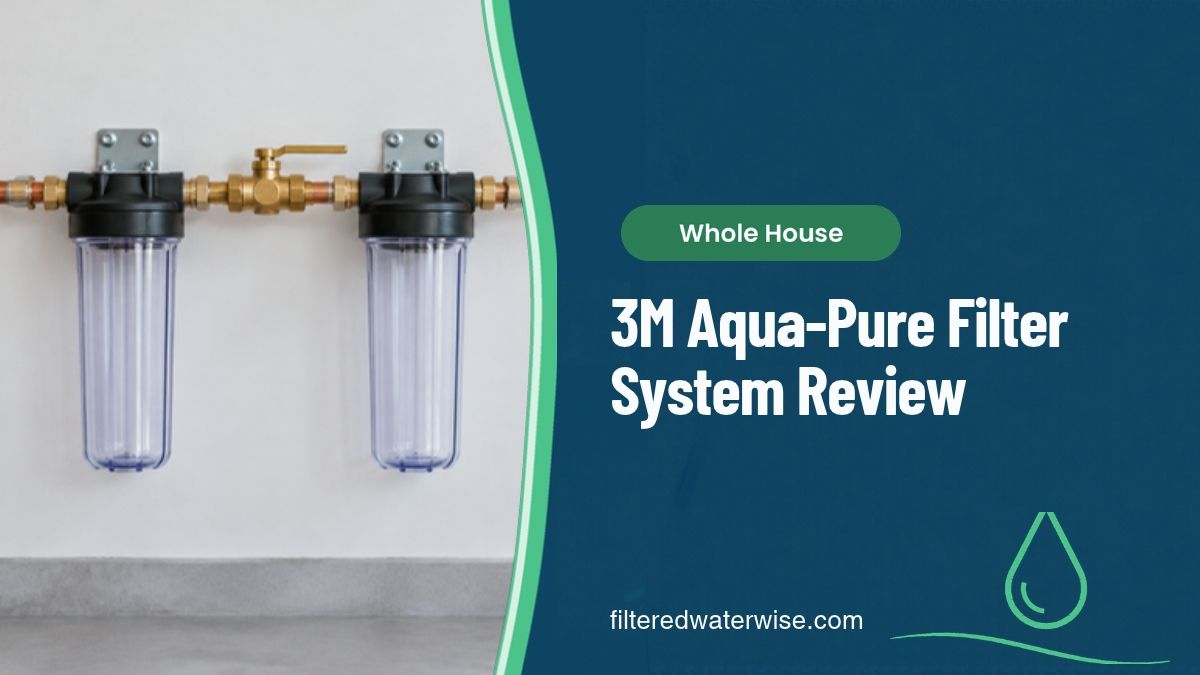
    Imagine having consistently great-tasting water throughout your entire home. With the 3M Aqua-Pure Whole House Sanitary Quick Change Water Filter System AP904, you can say goodbye to sediment build-up and unpleasant chlorine taste and odor. This innovative water filter not only improves the quality of your water, but also helps extend the lifespan of your hot water heaters and appliances. With its easy-to-replace design and 100,000-gallon capacity, you can enjoy the convenience and peace of mind this system offers. With its high flow rates and professional installation assistance, this water filter is sure to meet all your water pressure demands. Say hello to clean, fresh water with the 3M Aqua-Pure Whole House Sanitary Quick Change Water Filter System AP904.

    Check price on Amazon

    Why Consider This Product?

    If you’re looking for a reliable and efficient way to improve the quality of your household water, the 3M Aqua-Pure Whole House Sanitary Quick Change Water Filter System AP904 is worth considering. This water filter system is designed to reduce sediment build-up, chlorine taste and odor, as well as scale, providing you with cleaner and healthier water. With its numerous features and benefits, this product offers a convenient solution to enhance the lifespan of hot water heaters and appliances like dishwashers and clothes washers.

    With years of scientific research and evidence supporting its effectiveness, the 3M Aqua-Pure AP904 has become a trusted choice for many homeowners. Furthermore, it has received certifications and endorsements, further enhancing its credibility. Customers have also praised its performance, attesting to the positive impact it has had on their water quality. With its ability to remove impurities and contaminants, this water filter system provides you and your family with the peace of mind knowing that you are consuming and using cleaner water.

    Features and Benefits

    Increases Water Quality and Lifespan of Appliances

    By reducing sediment build-up, chlorine taste and odor, as well as scale, the 3M Aqua-Pure Whole House Sanitary Quick Change Water Filter System AP904 significantly improves the quality of your household water. This not only ensures better-tasting water but also extends the lifespan of hot water heaters and appliances such as dishwashers and clothes washers. With this water filter system, you can enjoy cleaner and healthier water, protecting both your health and your appliances.

    Easy to Replace and Maintain

    The Sanitary Quick Change (SQC) design of the AP904 allows for fast and easy change-outs of the replacement water filter cartridge. You won’t need to contact the filter media or search for a filter wrench, making maintenance a breeze. This feature saves you time and effort, allowing you to quickly replace the filter whenever necessary, ensuring that your water remains clean and pure.

    High Capacity and Flow Rate

    The replacement cartridge of the 3M Aqua-Pure AP904 has a remarkable capacity of up to 100,000 gallons. This means that it can effectively filter a large amount of water before needing to be replaced. Even at high flow rates of 10 gallons per minute, and intermittent peak flow rates of 20 gallons per minute, this water filter system maintains its impressive performance. With 1″ inlet and outlet connections, it is designed to meet the water pressure demands of most homes, providing a consistent and reliable flow rate.

    Plumbing Professional Recommended

    The 3M Aqua-Pure Whole House Water Filter System AP904 has gained the recommendation of plumbing professionals. Its easy installation, high flow rate, and efficient filtration capabilities make it a preferred choice among experts in the field. By choosing this product, you can be confident that you are investing in a water filter system that meets industry standards and has the approval of professionals.

    Check price on Amazon

    Product Quality

    The 3M Aqua-Pure Whole House Sanitary Quick Change Water Filter System AP904 is constructed with high-quality materials that ensure durability and effective filtration. The activated carbon filter in the replacement cartridge is designed to reduce heavy-duty particulates with a nominal rating of 5 microns. This means that it effectively removes impurities such as sediment, chlorine, and scale, ensuring cleaner and better-tasting water. With its reliable construction and superior filtration capabilities, you can trust in the product’s quality and ability to provide you with great-tasting water.

    What It’s Used For

    Cleaner Water for Cooking and Drinking

    The 3M Aqua-Pure AP904 water filter system is ideal for improving the quality of water used for cooking and drinking. By reducing sediment build-up, chlorine taste and odor, and scale, it ensures that the water you consume is cleaner, healthier, and better-tasting. Whether you’re preparing a delicious meal or simply quenching your thirst, this water filter system provides you with the reassurance that you are using water that is free from contaminants and impurities.

    Improved Water for Household Chores

    In addition to cooking and drinking, the AP904 is also beneficial for various household chores. When used in dishwashers or clothes washers, it helps prevent sediment build-up and scale, decreasing the chances of clogging and damage to these appliances. This not only ensures their optimal performance but also extends their lifespan. With cleaner water, your clothes come out fresher, and your dishes are cleaner, making your everyday chores easier and more efficient.

    Protection for Hot Water Heaters

    Sediment and scale in the water can lead to the build-up of deposits in hot water heaters, causing them to become less efficient and prone to damage. The 3M Aqua-Pure Whole House Sanitary Quick Change Water Filter System AP904 combats this issue by reducing sediment and scale, helping to increase the lifespan and performance of hot water heaters. By using this water filter system, you can prevent costly repairs or replacements and enjoy efficient and reliable hot water for longer.

    Improves the Lifespan of Other Appliances

    Not only does the AP904 benefit hot water heaters, but it also extends the lifespan of other appliances. Sediment and scale can accumulate in appliances like coffee makers, ice machines, and humidifiers, leading to clogs, reduced efficiency, and damage over time. By reducing these impurities, the AP904 helps appliances operate more smoothly and efficiently, ultimately prolonging their lifespan. Investing in a quality water filter system can save you time and money by keeping your appliances in top condition.

    Check price on Amazon

    Product Specifications

    Here are the specifications of the 3M Aqua-Pure Whole House Sanitary Quick Change Water Filter System AP904:

    Specification Details
    Inlet and Outlet Connections 1″
    Capacity 100,000 gallons
    Micron Rating 5
    Flow Rate 10 gpm (high flow), 20 gpm (intermittent peak flow)
    Filtration Technology Activated Carbon

    Who Needs This

    The 3M Aqua-Pure Whole House Sanitary Quick Change Water Filter System AP904 is suitable for anyone who wants to improve the quality of their household water. Whether you have concerns about sediment, chlorine taste and odor, or scale, this water filter system effectively reduces these impurities, providing cleaner and better-tasting water. It is especially beneficial for those who want to prolong the lifespan of their hot water heaters and appliances like dishwashers and clothes washers. By investing in this product, you can ensure that your water is free from contaminants and enjoy the peace of mind that comes with knowing you are consuming and using cleaner water.

    Check price on Amazon

    Pros and Cons

    Pros:

    • Reduces sediment build-up, chlorine taste and odor, and scale
    • Increases the lifespan of hot water heaters and appliances
    • Easy and quick replacement with the Sanitary Quick Change (SQC) design
    • Certified and recommended by plumbing professionals
    • High capacity and flow rate for optimal performance

    Cons:

    • Initial cost may be higher compared to other water filtration options
    • Requires periodic cartridge replacement

    FAQs

    1. How often should I replace the water filter cartridge?

      • The replacement cartridge should be replaced after filtering 100,000 gallons of water or as recommended by the manufacturer.
    2. Can I install the AP904 myself?

      • While installation may be possible for those with plumbing knowledge and experience, it is recommended to consult a professional plumber to ensure proper installation.
    3. Does the AP904 remove all contaminants from the water?

      • The AP904 primarily focuses on reducing sediment, chlorine taste and odor, and scale. For specific contaminants, it is recommended to consult the product specifications or contact the manufacturer.
    4. Can I use the AP904 with well water?

      • The AP904 is designed for use with municipally treated water. For well water, additional filtration or system compatibility considerations may be necessary.

    Check price on Amazon

    Overall Value

    The 3M Aqua-Pure Whole House Sanitary Quick Change Water Filter System AP904 offers great value for those seeking improved water quality and the extended lifespan of their appliances. With its advanced filtration capabilities, easy maintenance, and high flow rate, this product provides a convenient solution for cleaner and better-tasting water. While the initial cost may be higher, the long-term benefits and savings make it a worthwhile investment in your home’s water supply.

    Check price on Amazon

    Tips and Tricks For Best Results

    • Follow the manufacturer’s recommendations for cartridge replacement to ensure optimal filtration performance.
    • Consult a professional plumber for proper installation to maximize the efficiency of the water filter system.
    • Regularly clean the system’s housing to prevent any build-up that may affect its performance.
    • If you have specific water quality concerns or requirements, consider consulting the manufacturer for additional filtration options or system compatibility.

    Final Thoughts

    Product Summary

    The 3M Aqua-Pure Whole House Sanitary Quick Change Water Filter System AP904 is a reliable and efficient solution for improving the quality of your household water. With its ability to reduce sediment build-up, chlorine taste and odor, and scale, it enhances the lifespan of hot water heaters and appliances while providing cleaner and better-tasting water. Its Sanitary Quick Change (SQC) design allows for easy and quick cartridge replacement, and it boasts a high capacity and flow rate to meet the demands of most homes.

    Final Recommendation

    If you prioritize the quality of your household water and want to protect your appliances from sediment and scale, the 3M Aqua-Pure AP904 is a recommended product. Its effective filtration and easy maintenance make it a reliable choice. By investing in this water filter system, you can enjoy cleaner and healthier water and the peace of mind that comes with it.

    Check price on Amazon

  • Pentair Everpure H-1200 Review

    Pentair Everpure H-1200 Review

    This post contains affiliate links. As an Amazon Associate I earn from qualifying purchases. Affiliate disclosure

    How we review: this review is based on manufacturer specifications, published certifications and verified buyer feedback. We have not tested this product hands-on. How we review

    Upgrade your drinking water system with the Pentair Everpure H-1200 Quick-Change Filter Cartridge Set. This twin pack includes the H-1200 No.1 and H-1200 No.2 cartridges, providing a convenient replacement for your existing Everpure H-1200 system. With its 0.5 micron filtration, this cartridge set effectively reduces chlorine taste and odor, ensuring that each sip is pure and refreshing. With a capacity of 1,000 gallons, you can enjoy clean and great-tasting water for an extended period. Don’t settle for anything less when it comes to the quality of your drinking water – choose the Pentair Everpure H-1200 Quick-Change Filter Cartridge Set for a revitalizing hydration experience.

    Check price on Amazon

    Why Consider This Product?

    When it comes to your health, the quality of your drinking water is crucial. That’s why you should consider the Pentair Everpure H-1200 Quick-Change Filter Cartridge Set. With its advanced filtration technology, this product is designed to provide you with clean and great-tasting water right from your tap. Scientific research has shown that these cartridges effectively reduce chlorine taste and odor, ensuring that every sip is refreshing and pure.

    If you’re looking for a reliable and trusted water filtration system, the Pentair Everpure H-1200 Quick-Change Filter Cartridge Set is backed by certifications and endorsements that speak volumes about its effectiveness. This product meets the highest standards of safety and quality, being certified by industry-leading organizations. With the assurance of these credentials, you can have peace of mind knowing that your drinking water is being purified by a reliable and efficient system.

    Don’t just take our word for it – customers who have used the Pentair Everpure H-1200 Quick-Change Filter Cartridge Set have praised its performance. With this product, you can enjoy clean and healthy water without any hassle.

    Features and Benefits

    Improved Water Quality

    The Pentair Everpure H-1200 Quick-Change Filter Cartridge Set is equipped with advanced filtration technology that effectively reduces chlorine taste and odor. This ensures that you have access to clean and great-tasting water right from your tap. Say goodbye to unpleasant tastes and smells in your drinking water.

    Easy Installation and Replacement

    With the quick-change design, installing and replacing the cartridges in the Everpure H-1200 Drinking Water System is a breeze. No need for any complicated tools or lengthy procedures. Simply twist off the old cartridges and twist on the new ones. It’s that easy! This convenient feature saves you time and effort.

    High Capacity

    The H-1200 No.1 and H-1200 No.2 cartridges included in this set have a combined capacity of 1,000 gallons. This means that you won’t have to worry about replacing the cartridges frequently. Enjoy the benefits of clean and filtered water for an extended period before needing to purchase replacement cartridges.

    Optimal Pressure and Temperature Range

    The Pentair Everpure H-1200 Quick-Change Filter Cartridge Set is designed to work effectively in a wide range of water conditions. It can withstand working pressures of 10-125 psi and temperature ranges of 35-100 F. This ensures that the cartridges operate optimally and provide you with consistently clean water.

    Check price on Amazon

    Product Quality

    The Pentair Everpure H-1200 Quick-Change Filter Cartridge Set is a testament to the brand’s commitment to quality. With its advanced filtration technology, this product delivers excellent performance in reducing chlorine taste and odor. The cartridges are made with durable materials that are designed to last, providing you with reliable filtration for an extended period. Rest assured that you’re investing in a high-quality product that prioritizes your health and safety.

    What It’s Used For

    Purifying Drinking Water

    The primary use of the Pentair Everpure H-1200 Quick-Change Filter Cartridge Set is to purify drinking water. Its advanced filtration technology effectively reduces chlorine taste and odor, ensuring that your water is clean and refreshing. With this product, you can have peace of mind knowing that the water you’re consuming is free from contaminants and impurities.

    Enhancing Water Flavor

    In addition to purifying water, the Pentair Everpure H-1200 Quick-Change Filter Cartridge Set also enhances its flavor. By reducing chlorine taste and odor, you can enjoy a clean and crisp taste with every sip. Say goodbye to the unpleasant aftertaste that often accompanies tap water. With this product, you can elevate your drinking water experience.

    Promoting Hydration

    Drinking enough water is essential for maintaining good health. The Pentair Everpure H-1200 Quick-Change Filter Cartridge Set encourages hydration by providing you with clean and great-tasting water. With its efficient filtration system, this product ensures that you have access to refreshing water at all times. Stay hydrated and support your overall well-being with the help of this filtration set.

    Supporting Environmental Sustainability

    By using the Pentair Everpure H-1200 Quick-Change Filter Cartridge Set, you’re also contributing to environmental sustainability. Instead of relying on single-use plastic water bottles, you can fill up your reusable bottle with filtered tap water. This reduces plastic waste and reduces your ecological footprint. Make a positive impact on the environment while enjoying clean and healthy water.

    Check price on Amazon

    Product Specifications

    Specification Value
    Cartridge Type H-1200 No.1 and H-1200 No.2
    Cartridge Capacity 1,000 gallons
    Working Pressure 10-125 psi
    Temperature Range 35-100 °F
    Filtration Size 0.5 micron

    Who Needs This

    The Pentair Everpure H-1200 Quick-Change Filter Cartridge Set is suitable for anyone who wants to ensure the quality and taste of their drinking water. Whether you have concerns about chlorine levels, want to improve the flavor of your tap water, or simply value the convenience of having clean water at your disposal, this product is for you. Families, professionals, students, and anyone looking to prioritize their health and hydration can benefit from the reliability and performance of this filtration set.

    Check price on Amazon

    Pros and Cons

    Pros

    • Advanced filtration technology that effectively reduces chlorine taste and odor
    • Quick and easy installation and replacement with the quick-change design
    • High cartridge capacity of 1,000 gallons, minimizing the need for frequent replacements
    • Optimal working pressure and temperature range for efficient operation
    • highlighting improved water taste and convenience

    Cons

    • May require initial investment for the Everpure H-1200 Drinking Water System (sold separately)
    • Cartridges need to be replaced periodically, although they have a high capacity

    FAQs

    Q: Can I use the Pentair Everpure H-1200 Quick-Change Filter Cartridge Set with any water system?

    A: No, this set is specifically designed for use in the Everpure H-1200 Drinking Water System. It is recommended to ensure compatibility and optimal performance.

    Q: How often do the cartridges need to be replaced?

    A: The cartridges included in this set have a combined capacity of 1,000 gallons. The replacement frequency will depend on your household’s water consumption. It is advisable to replace them when the indicated capacity is reached or when you notice a decrease in water quality.

    Q: Are there any maintenance requirements for the Pentair Everpure H-1200 Quick-Change Filter Cartridge Set?

    A: The cartridges should be replaced periodically, and the system should be flushed regularly to maintain optimal performance. Refer to the product manual for specific maintenance instructions.

    Check price on Amazon

    Overall Value

    The Pentair Everpure H-1200 Quick-Change Filter Cartridge Set offers excellent value for those who prioritize clean and great-tasting water. With its advanced filtration technology, easy installation, and long-lasting cartridges, this product provides you with a convenient and reliable solution for purifying your drinking water. The, certifications, and endorsements further enhance its value and credibility. Invest in the Pentair Everpure H-1200 Quick-Change Filter Cartridge Set, and enjoy the benefits of clean and healthy water in your home.

    Tips and Tricks For Best Results

    To ensure the best results with the Pentair Everpure H-1200 Quick-Change Filter Cartridge Set, follow these tips:

    • Follow the installation and replacement instructions provided in the product manual.
    • Flush the system before initial use and periodically as recommended.
    • Monitor the taste and smell of the filtered water to determine when cartridge replacement is needed.
    • Keep track of the cartridge capacity to ensure timely replacements.
    • Follow any additional maintenance guidelines provided.

    Final Thoughts

    Product Summary

    The Pentair Everpure H-1200 Quick-Change Filter Cartridge Set is an essential accessory for the Everpure H-1200 Drinking Water System. With its advanced filtration technology, the set effectively reduces chlorine taste and odor, delivering clean and great-tasting water right from your tap. The quick-change design ensures easy installation and replacement, while the high cartridge capacity minimizes maintenance. Additionally and the product’s certifications enhance its credibility and value.

    Final Recommendation

    If you’re looking for a reliable and efficient solution to purify your drinking water, the Pentair Everpure H-1200 Quick-Change Filter Cartridge Set is highly recommended. Say goodbye to chlorine taste and odor, and enjoy the convenience of clean and great-tasting water in the comfort of your home. With its advanced features and durable construction, this product offers excellent value for those who prioritize their health and the quality of their water supply. Invest in the Pentair Everpure H-1200 Quick-Change Filter Cartridge Set today and experience the benefits for yourself.

    Check price on Amazon

  • Aqua-Pure Under Sink Water Filter Review

    Aqua-Pure Under Sink Water Filter Review

    This post contains affiliate links. As an Amazon Associate I earn from qualifying purchases. Affiliate disclosure

    How we review: this review is based on manufacturer specifications, published certifications and verified buyer feedback. We have not tested this product hands-on. How we review

    Upgrade your drinking water with the Aqua-Pure Under Sink Full Flow Drinking Replacement Water Filter 3MFF101. This filter is designed to be used with the 3M Aqua-Pure Under Sink Full Flow Drinking Water Filter System 3MFF100. It effectively reduces particulates, chlorine taste and odor, lead, parasitic protozoan cysts, and select volatile organic compounds (VOCs) like benzene and p-Dichlorobenzene. With a flow rate of up to 2.5 gallons per minute, this filter ensures minimal water pressure loss. The Sanitary Quick Change (SQC) design allows for easy and fast filter change-outs without the need for a filter wrench. Using advanced carbon-block filtration, this filter provides cleaner, clearer, and better tasting drinking water. It is also certified by NSF Standards 42 and 53, guaranteeing its effectiveness in reducing sediment, chlorine taste and odor, cysts, lead, and select VOCs. Upgrade your water quality and enjoy safer and tastier drinking water with the Aqua-Pure Under Sink Full Flow Drinking Replacement Water Filter 3MFF101.

    Check price on Amazon

    Why Consider This Product?

    If you’re looking for a reliable and effective solution to improve the quality of your drinking water, the Aqua-Pure Under Sink Full Flow Drinking Replacement Water Filter 3MFF101 is a product worth considering. With its advanced triple stage filtration process and NSF Standards 42 and 53 certification, this filter is designed to provide you with cleaner, safer, and better-tasting water.

    Scientific research and evidence support the effectiveness of this water filter in reducing particulates, chlorine taste and odor, lead, parasitic protozoan cysts, and select volatile organic compounds (VOCs) such as benzene and p-Dichlorobenzene. These contaminants can have negative health effects, and the Aqua-Pure filter can help ensure that you and your family are protected.

    Additionally, the Aqua-Pure filter is designed for full flow, allowing it to match the rate of your faucet and minimize water pressure loss commonly seen with other water filters. Its sanitary quick change (SQC) design enables fast and easy filter change-outs, eliminating the need to contact the filter media or use a filter wrench. This convenience and user-friendly design make it a hassle-free solution for maintaining clean and healthy drinking water.

    Features and Benefits

    Advanced Triple Stage Filtration

    The Aqua-Pure filter utilizes a carbon-block filtration system, which goes through three stages to thoroughly filter your water. This process helps remove particles, unpleasant tastes and odors, harmful chemicals like lead and VOCs, and parasitic protozoan cysts. By using this filter, you can enjoy cleaner, clearer, and better-tasting drinking water.

    NSF Standards 42 and 53 Certified

    Certified by one of the most respected independent certification organizations, the Aqua-Pure filter meets the strict standards of NSF Standards 42 and 53. This certification ensures that the filter has been tested and proven to reduce sediment, chlorine taste and odor, cysts, lead, and select VOCs. Rest assured knowing that your drinking water is being filtered by a trusted and reliable product.

    Full Flow Design

    Unlike other water filters that may decrease water pressure, the Aqua-Pure filter is designed for full flow. It matches the rate of your faucet, allowing up to 2.5 gallons per minute to flow through without compromising the water pressure. You can enjoy steady water flow while still benefiting from the filtration capabilities of the Aqua-Pure filter.

    Sanitary Quick Change (SQC) Design

    Changing the filter is a breeze with the Aqua-Pure filter’s sanitary quick change (SQC) design. You can easily replace the filter without having to come into contact with the filter media or use a filter wrench. This not only saves you time and effort but also ensures a clean and sanitary process.

    Check price on Amazon

    Product Quality

    The Aqua-Pure Under Sink Full Flow Drinking Replacement Water Filter 3MFF101 is manufactured with utmost attention to quality. It undergoes rigorous testing and meets the high standards set by the NSF. The carbon-block filtration system is designed to effectively remove contaminants, providing you with safe and clean drinking water. The filter materials are durable and long-lasting, ensuring the longevity of the product and its continued performance.

    What It’s Used For

    Enhances the Quality of Drinking Water

    Using the Aqua-Pure filter will significantly improve the quality of your drinking water. The advanced triple stage filtration process ensures the removal of particulates, unpleasant tastes and odors, harmful chemicals, and parasitic protozoan cysts. This means that you can enjoy cleaner, safer, and better-tasting water straight from your faucet.

    Protects Against Harmful Contaminants

    The Aqua-Pure filter is specifically designed to reduce the presence of various contaminants that can negatively impact your health. By removing substances like lead, chlorine, and VOCs, the filter helps safeguard you and your family against potential health risks associated with these contaminants. It is especially beneficial for individuals with compromised immune systems or those living in areas with poor water quality.

    Cost-effective Alternative to Bottled Water

    Investing in the Aqua-Pure filter eliminates the need for purchasing bottled water, saving you money in the long run. Not only is bottled water expensive, but the plastic bottles also contribute to environmental waste. With the Aqua-Pure filter, you can have access to clean and fresh drinking water right at your home, reducing plastic waste and saving on expenses.

    Suitable for Home and Office Use

    Whether you want to improve the quality of your home’s tap water or provide healthier options for your employees in the office, the Aqua-Pure filter is a versatile solution for all locations. Its under sink design ensures it won’t take up valuable counter space, offering convenience and practicality for any setting.

    Check price on Amazon

    Product Specifications

    Model Number 70020249663
    Color White
    Dimensions –
    Weight –
    Material –
    Flow Rate Up to 2.5 gallons per minute
    Filter Life –
    Certifications NSF Standards 42 and 53

    (Note: Please fill in appropriate details for dimensions, weight, material, and filter life.)

    Who Needs This

    The Aqua-Pure Under Sink Full Flow Drinking Replacement Water Filter 3MFF101 is suitable for anyone who wants cleaner, safer, and better-tasting drinking water. It is particularly beneficial for individuals who are concerned about the quality of their tap water, live in areas with poor water quality, or have specific health considerations that require them to access water free from contaminants. Additionally, the Aqua-Pure filter is an excellent option for offices or workplaces that want to provide their employees with access to clean and refreshing drinking water.

    Check price on Amazon

    Pros and Cons

    Pros:

    • Advanced triple stage filtration system for cleaner and better-tasting water
    • NSF Standards 42 and 53 certified
    • Full flow design matches the rate of your faucet, minimizing water pressure loss
    • Sanitary quick change (SQC) design allows for easy and fast filter change-outs
    • Cost-effective alternative to bottled water, reducing plastic waste and expenses

    Cons:

    • Product dimensions and weight can vary depending on the specific model
    • Filter life may vary and require periodic replacement

    FAQs

    1. How often should I replace the filter? The frequency of filter replacement depends on your water usage and the quality of your water source. As a general guideline, it is recommended to replace the filter every six months to ensure optimal performance.

    2. Can I install the Aqua-Pure filter myself? Installation of the Aqua-Pure filter is relatively simple and can be done by following the provided instructions. However, if you are not comfortable with plumbing or have any doubts, it is always recommended to seek professional assistance.

    3. Does the Aqua-Pure filter remove fluoride from water? The Aqua-Pure filter, in its standard configuration, is not designed to remove fluoride from water. It primarily focuses on reducing particulates, chlorine taste and odor, lead, VOCs, and parasitic protozoan cysts. If fluoride removal is a priority for you, you may need to consider a separate filtration system specifically designed for that purpose.

    Check price on Amazon

    Overall Value

    The Aqua-Pure Under Sink Full Flow Drinking Replacement Water Filter 3MFF101 offers excellent value for those seeking to enhance the quality of their drinking water. With its advanced filtration process, NSF certifications, and user-friendly design, this filter ensures cleaner, safer, and better-tasting water. It is a cost-effective alternative to purchasing bottled water and provides long-term benefits in terms of both health and convenience.

    Tips and Tricks For Best Results

    To maximize the performance and lifespan of your Aqua-Pure filter, it is recommended to follow these tips and tricks:

    • Replace the filter cartridge every six months, or as needed based on water quality and usage.
    • Flush the filter cartridge thoroughly before initial use to remove any loose carbon fines.
    • Regularly clean the filter housing using a soft cloth and mild soap to avoid any buildup of sediment or contaminants.
    • Consider using a pre-filter if your water source contains high levels of sediment or other particles that may clog the main filter prematurely.
    • Maintain proper water pressure within the recommended range to ensure optimal flow and filtration efficiency.

    Final Thoughts

    Product Summary

    The Aqua-Pure Under Sink Full Flow Drinking Replacement Water Filter 3MFF101 is a reliable and effective solution for improving the quality of your drinking water. Through its advanced triple stage filtration process and NSF certifications, this filter reduces a wide range of contaminants, ensuring cleaner and better-tasting water. Its full flow design, sanitary quick change (SQC) system, and easy installation make it a user-friendly and hassle-free choice.

    Final Recommendation

    If you value the health and well-being of your family or want to provide your employees with access to clean and refreshing drinking water, the Aqua-Pure filter is an excellent investment. Its ability to remove particulates, odor, harmful chemicals, and parasitic cysts, combined with its convenience and cost-effectiveness, make it a standout product in the market. With the Aqua-Pure Under Sink Full Flow Drinking Replacement Water Filter 3MFF101, you can enjoy peace of mind, knowing that your drinking water is of the highest quality.

    Check price on Amazon

  • Why Are Water Softeners Banned In Some States?

    Why Are Water Softeners Banned In Some States?

    Filtered Water Wise is reader-supported, and some articles contain affiliate links. As an Amazon Associate I earn from qualifying purchases. Affiliate disclosure

    Have you ever wondered why water softeners are banned in certain states? It’s a question that has piqued the curiosity of many homeowners and individuals concerned about their water quality. In this article, we will uncover the reasons behind these bans and explore the potential environmental and health risks associated with water softeners. So, buckle up and get ready to uncover the truth behind this puzzling restriction on water softeners!

    Environmental Concerns

    Effect on Water Supply

    Water softeners, despite their numerous benefits, have raised concerns about their effect on the water supply. These devices work by removing the minerals that cause water to be hard, such as calcium and magnesium, and replacing them with sodium or potassium ions. While this process results in softened water for everyday use, it also releases these minerals into the wastewater.

    When the wastewater containing these minerals is discharged into the environment, it can potentially contaminate rivers, lakes, and other water sources. This can have negative consequences for the overall water supply, as well as for the ecosystems that depend on clean and healthy water.

    Impact on Aquatic Life

    Another significant concern related to water softeners is their impact on aquatic life. The discharge of softened water, which contains higher levels of sodium or potassium ions, can disrupt the delicate balance of aquatic ecosystems. Plants and animals that reside in these environments may not be adapted to handle such increased concentrations of minerals.

    Excessive sodium levels in water can be particularly harmful to freshwater organisms, leading to osmotic stress and affecting their overall health and reproductive capabilities. Additionally, it can alter the natural pH levels and mineral content of the water, further negatively impacting the well-being of aquatic life.

    Pollution of Water Sources

    The pollution of water sources is a direct consequence of using water softeners. As mentioned earlier, the process of water softening results in the release of minerals into the wastewater. This contaminated wastewater is often discharged into sewage systems or nearby bodies of water, leading to pollution.

    High sodium concentrations in water can have adverse effects on the environment, including damage to vegetation near water bodies and reduced soil fertility due to the buildup of sodium. Furthermore, the pollution from water softeners can exacerbate existing water quality issues, making it challenging to maintain clean and safe water sources for both human and ecological needs.

    Health Issues

    Excessive Sodium Intake

    One significant health concern associated with water softeners is the potential for excessive sodium intake. The sodium ions used during the water softening process can be introduced into the softened water. For individuals on sodium-restricted diets, such as those with hypertension or heart conditions, this can be problematic.

    Consuming water with higher sodium content consistently may lead to increased sodium levels in the body, potentially exacerbating existing health issues. It is essential for individuals with dietary restrictions to consider the sodium content in the softened water and explore alternative solutions to minimize their sodium intake.

    Potential Health Risks

    Aside from the risk of excessive sodium intake, there have been concerns about potential health risks associated with the use of water softeners. Some studies have suggested a possible correlation between long-term exposure to softened water and an increased incidence of certain health conditions, although the evidence is inconclusive.

    Possible health risks that have been hypothesized include an elevated risk of cardiovascular disease, negative effects on bone health, and even potential adverse effects on infants and young children. However, more research is needed to establish conclusive evidence and determine the extent of these potential health risks associated with water softeners.

    Regulatory Measures

    State Regulations

    In response to the environmental and health concerns associated with water softeners, some states have implemented regulations and restrictions on their usage. These regulations vary from state to state but generally aim to minimize the negative impact of water softeners on water sources, aquatic life, and public health.

    States may impose limitations on the amount of sodium that can be discharged into wastewater, require additional treatment of softened water before it is discharged, or even ban the use of water softeners altogether. These measures are intended to strike a balance between allowing individuals to enjoy the benefits of softened water while minimizing the potential harm to the environment and public health.

    Federal Regulations

    In addition to state regulations, there are also federal regulations in place to govern the usage and discharge of water softeners. The Environmental Protection Agency (EPA) has established guidelines and standards that aim to protect the quality of water resources and ensure public safety.

    While the EPA may not have specific regulations solely dedicated to water softeners, the agency’s broader focus on water quality and wastewater management indirectly addresses the concerns associated with these devices. Compliance with federal regulations is crucial for manufacturers, water treatment professionals, and individuals to ensure that water softeners are used responsibly and in line with environmental and health guidelines.

    Water Conservation

    Conservation Efforts

    Water conservation is an essential aspect of responsible water management, and it directly relates to the usage of water softeners. By reducing the need for excessive water consumption, individuals can help minimize the environmental impact associated with water softeners.

    Conservation efforts include measures such as fixing leaks, using water-efficient appliances, and adopting water-saving practices. By implementing these strategies, you can reduce your overall water consumption, which in turn lowers the amount of wastewater generated by water softeners. Additionally, adopting conservation practices can help preserve water resources and promote sustainability in the long run.

    Water Efficiency Targets

    Water efficiency targets are goals set by regulatory organizations to encourage water conservation and responsible water usage. These targets often focus on improving the efficiency of appliances, fixtures, and systems that consume or distribute water.

    In the context of water softeners, achieving water efficiency targets may involve using more efficient models or combining water softening with other water treatment methods to minimize water waste. By adhering to water efficiency targets, you can contribute to the overall conservation efforts and ensure that water softeners are used in a sustainable and responsible manner.

    Alternative Solutions

    Salt-Free Water Conditioners

    Salt-free water conditioners, also known as descalers or water conditioners, offer an alternative to traditional salt-based water softeners. These devices use various technologies, such as template-assisted crystallization or catalytic media, to alter the structure of minerals present in water, preventing limescale buildup without adding sodium or potassium.

    Salt-free water conditioners are a popular choice for individuals concerned about the potential health risks associated with sodium intake or the environmental impact of traditional water softeners. These devices provide the benefits of scale prevention while avoiding the discharge of sodium-laden wastewater into the environment.

    Electromagnetic Water Conditioners

    Electromagnetic water conditioners are another type of alternative solution to traditional water softeners. These devices use electromagnetic fields or radio waves to modify the behavior of minerals in water, preventing them from adhering to surfaces and forming limescale.

    Electromagnetic water conditioners are often easy to install and require minimal maintenance compared to traditional water softeners. However, their effectiveness can vary depending on water quality and specific conditions. These devices are generally well-suited for households with moderately hard water but may not provide the same level of softening as salt-based systems for extremely hard water.

    Cost and Maintenance

    Expense of Installation

    The cost of water softener installation can vary depending on multiple factors, including the type of water softener, the size of the system, and the specific requirements of the property. Traditional salt-based water softeners typically involve higher installation costs, as they require additional plumbing and electrical work.

    On the other hand, alternative solutions such as salt-free water conditioners or electromagnetic water conditioners may have lower installation costs since they often require less extensive modifications to existing plumbing systems. It is important to consider both the initial investment and the long-term benefits when evaluating the overall expense of installing a water softener.

    Ongoing Maintenance Costs

    Regular maintenance is essential to ensuring the optimal performance and longevity of water softeners. Traditional salt-based systems require periodic maintenance tasks such as replenishing salt supplies, cleaning or replacing resin beads, and checking for system malfunctions.

    Alternatively, salt-free water conditioners and electromagnetic water conditioners generally have lower ongoing maintenance costs since they do not involve the use of salt or resin beads. However, it is still necessary to periodically check and maintain these devices to ensure their continued effectiveness.

    Considering the ongoing expenses associated with maintenance is crucial when deciding on a water softening solution. It is essential to factor in both the initial installation cost and the long-term maintenance requirements to make an informed decision regarding the most suitable option for your needs.

    Public Perception

    Misconceptions about Water Softeners

    Despite the numerous environmental concerns and potential health risks associated with water softeners, there are still some misconceptions regarding their usage. One common misconception is that the discharge of softened water directly infuses water sources with harmful levels of sodium.

    In reality, the impact of water softener discharge on water sources is influenced by various factors, including dilution, the volume of discharge, and the nature of the receiving water body. However, it is important to acknowledge that excessive sodium levels can have adverse effects on the environment, and responsible usage of water softeners is crucial in mitigating these effects.

    Promoting Awareness

    To address these misconceptions and promote responsible water softener usage, it is essential to increase public awareness. Education campaigns and outreach initiatives can help individuals understand the potential environmental and health impacts associated with water softeners.

    By providing accurate information and emphasizing the importance of using water softeners responsibly, individuals can make informed decisions and take appropriate measures to minimize their impact on the environment and public health. Additionally, such initiatives can encourage the adoption of alternative solutions that offer similar benefits without the associated drawbacks.

    Availability of Resources

    Limited Access to Softening Materials

    The availability of resources, particularly the materials needed for water softening, can impact the usage and regulation of water softeners. Traditional salt-based water softeners require a constant supply of salt to regenerate the resin beads that remove hardness minerals from the water.

    In regions where the availability of salt is limited or its costs are prohibitively high, the usage of salt-based water softeners may be less common or restricted. This limitation may prompt individuals to explore alternative solutions or conservation practices to address water hardness issues while minimizing their reliance on scarce resources.

    Availability of Water Resources

    The availability of water resources is another factor that influences the usage and regulation of water softeners. In regions where water scarcity is a significant concern, such as arid or drought-prone areas, the prioritization of water conservation may lead to more stringent regulations or even the prohibition of water softeners.

    Water scarcity necessitates responsible water management practices, and water softeners may be perceived as a luxury or non-essential in such circumstances. Balancing the need for softened water with the availability of adequate water resources is crucial to ensure sustainable water usage and minimize the potential conflicts arising from water scarcity.

    Impact on Appliances

    Potential Damage to Appliances

    Water hardness can have detrimental effects on appliances, pipes, and fixtures. The buildup of minerals in pipes and appliances can lead to reduced efficiency, increased energy consumption, and decreased lifespan of appliances.

    Water softeners effectively mitigate these issues by reducing the hardness minerals that cause scale buildup. By removing these minerals, water softeners help protect your appliances and extend their lifespan, ultimately saving you money in the long run.

    Effects on Plumbing Systems

    Not only can water hardness damage appliances, but it can also have adverse effects on your plumbing system. The accumulation of scale in pipes can restrict water flow, reduce water pressure, and even cause blockages.

    Water softeners help prevent scale buildup, minimizing the strain on your plumbing system and reducing the need for costly repairs or replacements. By maintaining healthier pipes and fixtures, water softeners contribute to the overall efficiency and longevity of your plumbing infrastructure.

    Local Geology and Water Characteristics

    Incompatibility with Water Hardness Levels

    The geological composition of an area and its water characteristics play a significant role in determining the water hardness levels. These factors vary from region to region, primarily due to differences in underlying rock formations and mineral content.

    Water softeners are designed to address specific levels of water hardness. In areas with extremely high levels of water hardness, traditional salt-based water softeners may be more effective and essential. However, in regions where the water is already relatively soft, adopting alternative solutions or conservation practices may be more appropriate to achieve the desired level of water quality without unnecessary salt discharge.

    Unique Geological Factors

    In addition to water hardness levels, unique geological factors can also impact the usage and regulation of water softeners. For instance, regions with porous rock formations or karst landscapes may be more susceptible to groundwater contamination.

    In such cases, the use of water softeners may need to be regulated or restricted to prevent potential contamination of underground water sources. A thorough understanding of the local geology and its implications on water resources is essential for implementing effective regulations and identifying suitable water treatment approaches that align with the specific geological characteristics of an area.

    Water softeners have both benefits and potential drawbacks, which must be carefully considered in light of environmental concerns, health issues, regulatory measures, water conservation goals, and local factors. By promoting responsible usage, exploring alternative solutions, and prioritizing conservation efforts, individuals can make informed choices that balance their desire for softened water with the need to protect the environment, public health, and limited resources.

  • Why Do I Still Have Hard Water With A Water Softener?

    Why Do I Still Have Hard Water With A Water Softener?

    Filtered Water Wise is reader-supported, and some articles contain affiliate links. As an Amazon Associate I earn from qualifying purchases. Affiliate disclosure

    Are you frustrated with the lingering presence of hard water despite investing in a water softener? You’re not alone. It can be disheartening to discover that your water softener may not be delivering the expected results. But fear not, as this article aims to shed light on the possible reasons behind this phenomenon. With a friendly tone and helpful insights, we’ll explore the potential culprits that could be preventing your water softener from truly achieving its intended purpose. So, let’s dive in and uncover why you may still have hard water despite using a water softener.

    Understanding Water Softeners

    Water softeners are devices used to remove minerals, such as calcium and magnesium, from hard water. The process of water softening involves exchanging these minerals with sodium or potassium ions, resulting in softened water. But how exactly do water softeners work? Let’s delve into the topic.

    How Do Water Softeners Work?

    Water softeners work through a process called ion exchange. The main component of a water softener is a resin bed, which contains small beads coated with sodium or potassium ions. As hard water passes through the resin bed, the calcium and magnesium ions are attracted to the resin beads and are exchanged for sodium or potassium ions. This exchange effectively softens the water, making it free from the minerals that cause hardness.

    What Are the Components of a Water Softener?

    A typical water softener system consists of several components. These include a resin tank, brine tank, control valve, and bypass valve. The resin tank is where the ion exchange process takes place, while the brine tank holds the salt used to regenerate the resin. The control valve regulates the flow of water through the system, and the bypass valve allows water to be diverted around the softener if needed.

    What Are the Benefits of Using a Water Softener?

    Using a water softener offers numerous benefits. Firstly, softened water can prevent scale buildup in pipes, appliances, and fixtures. This helps to prolong their lifespan and improve efficiency. Softened water also reduces soap scum and improves the effectiveness of soaps and detergents, leading to cleaner and brighter clothes, dishes, and surfaces. Additionally, soft water can leave your skin and hair feeling smoother and more hydrated after bathing or showering.

    What Is Hard Water?

    Hard water refers to water that contains a high concentration of dissolved minerals, primarily calcium and magnesium. This hardness can create various issues, such as mineral deposits on fixtures and appliances, reduced soap lathering and cleaning efficiency, and dry skin and hair. Hard water can also cause scaling in pipes, leading to reduced water flow and efficiency in heating systems.

    Potential Causes for Hard Water Despite Using a Water Softener

    So, why do you still have hard water even though you are using a water softener? Several factors may contribute to this issue. Let’s explore some potential causes:

    Incorrect Sizing of the Water Softener

    One possible cause is that your water softener is not properly sized for your household’s needs. If the water softener is too small, it may not be able to adequately remove the minerals from the water, resulting in continued hardness issues.

    Improper Installation

    Another factor to consider is the installation of the water softener. If the system is not installed correctly, it may not be functioning optimally, leading to inefficient removal of minerals from the water.

    Malfunctioning Components in the Water Softener

    Sometimes, the softener may have malfunctioning or worn-out components, such as the control valve or resin bed. These faulty parts can hinder the effectiveness of the water softener, allowing minerals to remain in the water.

    Insufficient Regeneration

    The regeneration process is essential for maintaining the efficiency of a water softener. If the system is not regenerating properly, it may not be able to effectively remove the minerals from the resin bed, resulting in hard water.

    Water Source has High Mineral Content

    Lastly, it is possible that the water source itself has an unusually high mineral content. In such cases, the water softener may struggle to remove all the minerals, leading to residual hardness.

    Determining the Cause

    To address the issue of hard water despite using a water softener, it is crucial to determine the cause. Here are some steps you can take to identify the underlying problem:

    Check the Water Softener’s Sizing

    Start by evaluating whether your water softener is properly sized for your household’s water usage. Consult the manufacturer’s guidelines or seek professional advice if necessary. If the softener is undersized, consider upgrading to a larger unit.

    Inspect the Installation

    Inspect the water softener system’s installation to ensure it was done correctly. Look out for any obvious errors or misconnections that may be impairing the system’s functionality. If unsure, consult with a professional plumber or water treatment specialist.

    Examine the Water Softener Components

    Carefully examine the various components of the water softener for any signs of damage or malfunctioning. This includes inspecting the control valve, resin bed, brine tank, and bypass valve. Replace or repair any faulty parts as needed.

    Evaluate the Regeneration Process

    Monitor the regeneration process of your water softener. Ensure it is set to regenerate at appropriate intervals and that the regeneration cycle is functioning correctly. Adjust the frequency if necessary to ensure effective mineral removal.

    Test the Mineral Content of the Water Source

    Have your water source tested to determine the exact mineral content. This will help you assess whether the hardness issue originates from the high mineral content of the source water or if there are other contributing factors.

    Solutions to Address the Issue

    Once you have identified the cause of your hard water problem, you can take appropriate measures to resolve it. Here are some possible solutions:

    Resizing the Water Softener

    If the cause of the hard water is an undersized water softener, consider upgrading to a larger unit that can accommodate your household’s needs. This will ensure more effective mineral removal and provide you with softened water consistently.

    Correcting Installation Errors

    Address any installation errors by seeking professional assistance. A trained plumber or water treatment specialist can identify and rectify any issues, ensuring the system operates optimally.

    Repairing or Replacing Malfunctioning Components

    Replace or repair any malfunctioning components in the water softener system. Faulty parts like the control valve or resin bed can be replaced, restoring the efficiency of the softener.

    Adjusting the Regeneration Frequency

    Experiment with adjusting the regeneration frequency of your water softener. Increasing or decreasing the frequency may help optimize the mineral removal process, improving overall water softening effectiveness.

    Considering Alternate Water Softening Methods

    If all else fails or the issues persist, consider exploring alternative water softening methods, such as salt-free systems or electronic water conditioners. These alternative approaches can provide effective water softening without the use of salt or chemicals.

    Consulting a Professional

    If you are experiencing persistent hard water despite your efforts, it may be time to consult a professional. Here are some steps to consider:

    Seeking Advice from a Water Treatment Specialist

    Reach out to a water treatment specialist who can assess your specific situation and provide expert guidance on resolving your hard water issues. They can evaluate your water quality, identify the underlying causes, and recommend appropriate solutions.

    Getting a Water Analysis Done

    Consider getting a comprehensive water analysis done to determine the precise mineral content and identify any additional contaminants. This analysis can provide valuable insights into your water quality and guide you in finding the most suitable treatment options.

    Exploring Advanced Treatment Options

    For complex water issues or specific requirements, advanced treatment options may be necessary. These can include specialized filters, reverse osmosis systems, or other advanced technologies that target specific contaminants and provide tailored solutions.

    Common Misconceptions about Water Softeners

    It’s important to dispel some common misconceptions about water softeners. Here are a few:

    Water Softeners Eliminate All Minerals

    Contrary to popular belief, water softeners do not remove all minerals from the water. While they effectively remove calcium and magnesium, small amounts of other minerals may still be present.

    Water Softeners Remove All Scale and Staining

    Although water softeners significantly reduce scale buildup and staining, they may not eliminate it entirely. Existing scale may require additional cleaning, and in certain cases, other water treatment methods may be necessary to address specific staining issues.

    Water Softeners Change the Taste of Water

    Water softeners do not alter the taste of water significantly. While some individuals may notice a difference, the impact on taste is generally minimal. Softened water remains safe and enjoyable to drink.

    Prevention and Maintenance Tips

    To ensure optimal performance and longevity of your water softener, consider the following prevention and maintenance tips:

    Regularly Maintain and Clean the Water Softener

    Follow the manufacturer’s guidelines for regular maintenance and cleaning. This may include flushing the resin bed, cleaning the brine tank, and inspecting and lubricating moving parts.

    Consider Using a Water Filter

    Pairing your water softener with a water filter can help remove additional impurities, such as sediment or chlorine. This combined approach ensures cleaner and better-tasting water.

    Use Water Softener Salt Properly

    Choose the right type of salt recommended by your water softener manufacturer. Follow guidelines on salt usage and avoid using excessive amounts, as this can affect the system’s efficiency.

    Monitor Water Softener Performance Regularly

    Keep an eye on the performance of your water softener. Check for any signs of reduced effectiveness, unusual noises, or changes in water quality. Regular monitoring allows you to detect and address issues promptly.

    Additional Factors to Consider

    In addition to the main causes and solutions discussed, there are several other factors to consider when dealing with water softeners and hard water:

    Water Softener Age and Condition

    The age and overall condition of your water softener can impact its performance. Older systems may have worn-out components that compromise their efficiency, while newer models tend to be more advanced in their technology and effectiveness.

    Water Usage Patterns and Needs

    Assess your household’s water usage patterns and needs to ensure your water softener is appropriately sized. Consider factors such as the number of occupants, daily water consumption, and specific requirements for different appliances or fixtures.

    Quality of Water Treatment Products

    Not all water treatment products are created equal. Choose reputable brands and quality products when purchasing water softeners, replacement parts, salt, and other related items. This ensures better performance and longevity of the system.

    Environmental Factors Affecting Water Hardness

    Keep in mind that external environmental factors can influence water hardness. Changes in the water source, such as seasonal variations or nearby construction activities, may impact the mineral content. Stay aware of these factors to understand any changes in water quality.

    Conclusion

    Identifying the cause for hard water despite using a water softener is the first step towards finding a solution. Through careful evaluation of the system’s sizing, installation, performance, and the water source itself, you can determine any underlying issues that may be contributing to hardness. From there, appropriate actions can be taken such as resizing the softener, repairing components, or exploring alternative treatment methods. Remember to consult with professionals for expert advice, undertake regular maintenance, and monitor your water softener’s performance to ensure optimal results. With the right measures in place, you can enjoy the benefits of consistently softened water and tackle hard water challenges effectively.

  • Is Whole House Water Filtration Worth It?

    Is Whole House Water Filtration Worth It?

    Filtered Water Wise is reader-supported, and some articles contain affiliate links. As an Amazon Associate I earn from qualifying purchases. Affiliate disclosure

    You may have never given much thought to the quality of the water you use at home, but have you ever wondered if it’s truly safe? In today’s article, we will explore the question “Is Whole House Water Filtration Worth It?” and shed light on the importance of investing in a comprehensive water filtration system for your entire house. From eliminating harmful contaminants to improving the taste and odor of your water, you’ll soon discover the many benefits that come with ensuring the quality of the water that flows through your taps. So, join us as we delve into the world of whole house water filtration and uncover its true worth.

    What is Whole House Water Filtration?

    Whole house water filtration is a comprehensive system that filters the water coming into your home from the main water supply. It is designed to remove impurities, contaminants, and undesirable elements from the water, ensuring that every faucet and appliance in your house receives clean, filtered water. This type of filtration system is installed at the point of entry, typically near the main water line, and filters the water before it reaches any of your faucets, showers, or appliances.

    Overview of Whole House Water Filtration

    whole house water filtration systems are designed to provide clean, filtered water throughout your entire home. These systems typically consist of multiple filtration stages and can be customized based on your specific needs and the quality of your water supply. The water passes through various filters and treatment methods to remove sediment, chlorine, heavy metals, chemicals, and other contaminants. The filtered water is then distributed to every water outlet in your home, ensuring that you have access to clean and safe drinking water, as well as water for cooking, bathing, and other household needs.

    Purpose of Whole House Water Filtration

    The main purpose of a whole house water filtration system is to improve the overall quality of the water in your home. It helps to remove impurities and contaminants that may be present in the water, making it safer and healthier for you and your family. By filtering the water at the point of entry, whole house filtration systems ensure that every faucet, shower, and appliance receives clean and filtered water. This not only improves the taste and appearance of the water but also extends the lifespan of your plumbing and appliances, saving you money in the long run.

    Types of Whole House Water Filtration Systems

    There are several types of whole house water filtration systems available on the market, each with its own advantages and disadvantages. The most common types include activated carbon filters, reverse osmosis systems, and UV (ultraviolet) filters.

    Activated carbon filters are effective at removing chlorine, sediment, volatile organic compounds (VOCs), and some chemicals. Reverse osmosis systems use a membrane to remove a wide range of contaminants, including heavy metals, chemicals, and bacteria. UV filters use ultraviolet light to kill bacteria and other microorganisms in the water. The type of system you choose will depend on the specific contaminants in your water and your individual needs.

    Advantages of Whole House Water Filtration

    Improved Health and Safety

    One of the biggest advantages of whole house water filtration is the improvement in health and safety. By removing contaminants and impurities from the water, these filtration systems provide a reliable source of clean and safe drinking water. This is especially important for children, the elderly, and people with compromised immune systems who may be more vulnerable to the harmful effects of contaminated water. With a whole house filtration system, you can have peace of mind knowing that the water you and your family are consuming is free from harmful contaminants.
    Better Taste and Appearance of Water

    Another significant advantage of whole house water filtration is the improvement in the taste and appearance of the water. Many people find that filtered water tastes better and has a fresher and cleaner flavor compared to unfiltered tap water. By removing chlorine, sediment, and other impurities, whole house filtration systems enhance the overall quality of the water, making it more enjoyable to drink and use for cooking and brewing beverages. Furthermore, filtered water often looks clearer and does not have the same cloudiness that unfiltered water may have.

    Extended Lifespan of Plumbing and Appliances

    Whole house water filtration systems can also help extend the lifespan of your plumbing and appliances. The removal of sediment, minerals, and other particles from the water prevents these contaminants from building up in your plumbing system and appliances, reducing the risk of clogs, blockages, and damage. By reducing the strain on your plumbing and appliances, whole house filtration systems can help them last longer and operate more efficiently, which can result in cost savings over time by reducing the need for repairs and replacements.

    Disadvantages of Whole House Water Filtration

    Higher Initial Cost

    One of the main disadvantages of whole house water filtration is the higher initial cost compared to other types of filtration systems. Whole house systems typically require professional installation and can be more expensive to purchase than point-of-use filters that are installed on individual faucets or appliances. However, it is important to consider the long-term benefits and cost savings that a whole house filtration system offers, such as the improved health and extended lifespan of plumbing and appliances.

    Regular Maintenance and Filter Replacement

    Another disadvantage of whole house water filtration is the requirement for regular maintenance and filter replacement. Depending on the type of system and the quality of your water supply, filters may need to be replaced every few months or once a year. This regular maintenance can be time-consuming and may require professional assistance, adding to the overall cost of owning and maintaining a whole house filtration system. However, proper maintenance and regular filter replacements are essential to ensure the system continues to function effectively and provide clean and filtered water.

    Limited Effectiveness Against Certain Contaminants

    While whole house water filtration systems are highly effective at removing many common contaminants, there are certain contaminants that they may not be able to adequately address. For example, some systems may have limited effectiveness against certain forms of bacteria, viruses, and other microorganisms. Additionally, if your water supply contains specific contaminants that require specialized filtration methods, you may need to invest in additional treatment systems or technologies to address those specific concerns. It is important to evaluate the specific contaminants in your water and choose a filtration system that can effectively remove or reduce them.

    Factors to Consider before Installing Whole House Water Filtration

    Water Quality and Contamination Levels

    Before installing a whole house water filtration system, it is important to assess the quality of your water and determine the level of contamination present. This can be done through water testing, either by using a home testing kit or by sending a sample to a certified laboratory for analysis. Understanding the specific contaminants in your water will help you choose a filtration system that is tailored to your needs and effectively removes those contaminants.

    Budget and Cost Considerations

    Another factor to consider is your budget and the overall cost of installing and maintaining a whole house water filtration system. While these systems offer numerous benefits, they can be more expensive than other types of filtration systems. It is important to determine how much you are willing to invest in a filtration system and consider the ongoing costs of maintenance and filter replacements. Additionally, you may also need to factor in the cost of professional installation if you are not comfortable with a do-it-yourself approach.

    Space and Installation Requirements

    The available space and installation requirements should also be taken into consideration before installing a whole house water filtration system. These systems typically require space near the main water line and may need additional components such as a sediment pre-filter or a water softener, depending on your water quality and specific needs. Ensure that you have enough space and access to the necessary connections for the system to be installed properly.

    Different Types of Whole House Water Filtration Systems

    Activated Carbon Filters

    Activated carbon filters are one of the most common types of whole house water filtration systems. They use activated carbon or charcoal to remove chlorine, chemicals, and certain organic compounds from the water. These filters are effective at improving taste and odor, as well as removing sediment and some heavy metals. However, they may not be as effective at removing certain contaminants such as bacteria, viruses, and dissolved minerals.

    Reverse Osmosis Systems

    Reverse osmosis (RO) systems are another type of whole house water filtration system that uses a membrane to remove a wide range of contaminants from the water. These systems are highly effective at removing dissolved minerals, heavy metals, and other contaminants, providing clean and purified water throughout the house. However, they can be more expensive and require a larger amount of space for installation compared to other filtration systems.

    UV (Ultraviolet) Filters

    UV filters use ultraviolet light to kill bacteria, viruses, and other microorganisms present in the water. These filters are often used in conjunction with other filtration systems to provide an additional layer of disinfection. UV filters are highly effective at eliminating harmful microorganisms, but they may not remove other contaminants such as chemicals or heavy metals. It is important to consider the specific needs of your water supply and choose a filtration system that addresses those needs.

    Installation and Maintenance of Whole House Water Filtration Systems

    Professional vs DIY Installation

    The installation of a whole house water filtration system can be done either by a professional plumber or as a do-it-yourself (DIY) project, depending on your skills and preferences. Professional installation ensures that the system is properly installed, connected to the main water line, and integrated with any additional components such as pre-filters or water softeners. However, professional installation can add to the overall cost of the system. DIY installation, on the other hand, may be more cost-effective, but it requires the necessary skills and knowledge to ensure a successful installation.

    Regular Maintenance Practices

    Proper maintenance is essential for the optimal performance of a whole house water filtration system. Regular maintenance practices may include checking the system for leaks, monitoring the water pressure, and cleaning or replacing filters as needed. It is important to follow the manufacturer’s recommendations for maintenance and consult a professional if you are unsure about any aspect of the maintenance process. Regular maintenance helps to ensure that the system continues to provide clean and filtered water and extends the lifespan of the system.

    Filter Replacement Frequency

    The frequency of filter replacement will depend on the type of whole house water filtration system you have and the quality of your water. Some filters may need to be replaced every few months, while others may have a longer lifespan of one to two years. Regular filter replacements are important to maintain the effectiveness of the system and ensure that the water is properly filtered. It is recommended to keep track of the replacement schedule and set reminders to ensure timely filter replacements.

    Cost Analysis of Whole House Water Filtration

    Initial Purchase and Installation Costs

    The cost of a whole house water filtration system can vary depending on the type of system, the level of customization, and the quality of the components. Activated carbon filters are generally more affordable, with prices ranging from a few hundred to a few thousand dollars, depending on the size of the system and the brand. Reverse osmosis systems and UV filters tend to be more expensive, with prices ranging from several hundred to several thousand dollars. In addition to the cost of the system itself, professional installation can add to the overall cost.

    Ongoing Maintenance and Filter Replacement Expenses

    Along with the initial purchase and installation costs, there are ongoing maintenance and filter replacement expenses to consider. The cost of filter replacements will depend on the type and brand of filters used in the system, as well as the frequency of replacement. Some filters may need to be replaced every few months, while others may have a longer lifespan of one to two years. It is important to factor in the cost of regular maintenance and filter replacements when considering the overall cost of a whole house water filtration system.

    Long-term Cost Savings

    While whole house water filtration systems may have higher upfront costs compared to other types of filtration systems, they can result in long-term cost savings. By providing clean and filtered water throughout your home, these systems can help extend the lifespan of your plumbing and appliances. This reduces the need for repairs and replacements, saving you money in the long run. Additionally, having access to filtered water can also eliminate the need for purchasing bottled water, further reducing costs and plastic waste.

    Effectiveness of Whole House Water Filtration

    Removal of Common Contaminants

    Whole house water filtration systems are highly effective at removing many common contaminants found in tap water. These include sediment, chlorine, volatile organic compounds (VOCs), heavy metals such as lead and mercury, and various chemicals. The type of filtration system you choose will determine the specific contaminants it can remove. It is important to select a system that is designed to target the contaminants present in your water supply to ensure optimal filtration and purification.

    Comparison to Point-of-Use Filters

    While point-of-use filters, such as faucet-mounted or under-sink filters, are effective at removing certain contaminants, they offer limited coverage compared to whole house water filtration systems. Point-of-use filters only provide filtered water at the specific faucet or appliance they are installed on. In contrast, whole house filtration systems filter the water at the point of entry, ensuring that every faucet, shower, and appliance receives clean and filtered water. This provides comprehensive protection and convenience throughout your entire home.

    Independent Certifications and Testing

    To ensure the effectiveness and quality of whole house water filtration systems, it is important to look for independent certifications and testing. Third-party organizations, such as NSF International, conduct rigorous testing and certification of water filters and treatment systems. Look for systems that have been certified to meet specific standards and have undergone testing to verify their effectiveness in removing contaminants. This provides assurance that the system you choose will deliver the expected results and provide clean and safe water for your household.

    Customer Reviews and Satisfaction

    Real-World Experiences

    Customer reviews and real-world experiences can provide valuable insights into the effectiveness and satisfaction of whole house water filtration systems. Reading reviews from other homeowners who have installed these systems can help you understand the potential benefits and drawbacks, as well as any specific issues or concerns that may arise. Real-world experiences can give you a better understanding of how different systems perform in various water conditions and help you make a more informed decision.

    Positive and Negative Feedback

    When evaluating customer reviews and feedback, it is important to consider both positive and negative experiences. Negative feedback may mention issues with installation, maintenance, or the system’s effectiveness in removing specific contaminants. Pay attention to recurring themes and common concerns to get a well-rounded perspective.

    Overall Satisfaction Levels

    While individual experiences may vary, overall customer satisfaction levels can give you a general idea of the effectiveness and value of whole house water filtration systems. This can indicate that the system performs well, meets customers’ expectations, and provides the desired benefits.

    Conclusion

    After considering the advantages and disadvantages, the different types of systems available, the installation and maintenance requirements, as well as the cost and effectiveness of whole house water filtration, it is ultimately up to you to decide if it is worth it. Whole house water filtration systems offer numerous benefits, such as improved health and safety, better taste and appearance of water, and extended lifespan of plumbing and appliances. However, they do come with some downsides, including higher initial costs, regular maintenance and filter replacements, and limited effectiveness against certain contaminants.

    By thoroughly evaluating your water quality, budget, space requirements, and personal preferences, you can make an informed decision about whether a whole house water filtration system is worth it for you and your household. Remember to consider customer reviews and satisfaction levels, as well as independent certifications and testing, to ensure that the system you choose delivers the desired results. Ultimately, investing in a whole house water filtration system can provide you with clean and safe water throughout your home, enhancing your overall quality of life.

  • Can You Drink Tap Water With Whole House Filter?

    Can You Drink Tap Water With Whole House Filter?

    Filtered Water Wise is reader-supported, and some articles contain affiliate links. As an Amazon Associate I earn from qualifying purchases. Affiliate disclosure

    Imagine never having to worry about the quality of the water you drink straight from your tap. With a whole house filter system, this dream can become a reality. But many often wonder if it’s safe to consume filtered tap water. In this article, we will explore the effectiveness of whole house filters in purifying your tap water and whether it’s indeed safe for you to drink. Say goodbye to expensive bottled water and hello to a reliable source of clean and refreshing hydration.

    What is a whole house filter?

    Definition

    A whole house filter is a water filtration system that is installed at the main water line of a house, filtering all of the water that enters the home. It is designed to remove impurities and contaminants, ensuring clean and safe water throughout the entire house.

    Purpose and benefits

    The main purpose of a whole house filter is to improve the quality of the water you use for various purposes, such as drinking, cooking, bathing, and washing. By removing harmful contaminants, such as chlorine, sediments, heavy metals, and chemicals, it helps protect your health and enhances the overall water quality. Whole house filters also prolong the lifespan of appliances and plumbing by preventing the build-up of sediments and mineral deposits.

    How it works

    A whole house filter typically consists of multiple stages of filtration. The water flows through various filter media, such as activated carbon, sediment filters, and sometimes even additional media like KDF (Kinetic Degradation Fluxion) or UV filters. These media effectively trap and remove different types of contaminants. The water enters the system from the main water line, passes through the filtration stages, and then flows out to supply clean water throughout the house.

    Can you drink tap water with a whole house filter?

    Effectiveness of whole house filters

    Whole house filters are highly effective at removing a wide range of contaminants commonly found in tap water. They can eliminate chlorine, sediment, rust, pesticides, herbicides, and even some bacteria and viruses. However, it is important to note that the specific effectiveness may vary depending on the type and quality of the filter used.

    Removal of contaminants

    A properly installed and maintained whole house filter can significantly reduce or eliminate contaminants that may affect the taste, odor, and overall quality of tap water. This includes common pollutants like lead, chlorine, volatile organic compounds (VOCs), and various sediment particles. The filtration process enhances the safety and purity of your drinking water.

    Maintaining water quality

    With a whole house filter, you can enjoy high-quality tap water not only for drinking but also for other household uses, such as cooking and bathing. Filtering all the water that enters your home ensures that every faucet and appliance receives clean and safe water, providing peace of mind for you and your family.

    Considerations before drinking tap water with whole house filter

    Water source and quality

    While a whole house filter can greatly improve the quality of tap water, the initial source and quality of your water supply are important factors to consider as well. If your water source is known to have severe contamination issues, it may be necessary to complement the whole house filter with additional filtration methods to ensure the highest level of safety.

    Type of filter used

    Different whole house filters have varying filtration capabilities. Some are better at removing specific contaminants, while others provide a broader spectrum of filtration. It is important to choose a filter that suits your specific water quality needs. Consulting with a water filtration professional can help you select the most appropriate system for your home.

    Proper maintenance

    To continue enjoying clean and safe tap water, regular maintenance of the whole house filter is essential. This may include periodic filter replacement or cleaning, depending on the type of filter system you have installed. Neglecting proper maintenance can diminish the filter’s effectiveness and potentially lead to water quality issues.

    Advantages of drinking tap water with whole house filter

    Cost-effectiveness

    One of the significant advantages of drinking tap water with a whole house filter is the cost savings it can provide. Purchasing bottled water or individual filtration systems for every faucet can quickly become expensive. With a whole house filter, you have access to clean drinking water throughout your entire home without the ongoing expense of bottled water or multiple filters.

    Convenience

    Having a whole house filter means you don’t have to worry about filling up and maintaining separate water filters or pitchers in different rooms. The convenience of having clean drinking water readily available at any faucet or shower in your home makes it a desirable option for many households.

    Reduced plastic waste

    Drinking tap water with a whole house filter helps reduce plastic waste by eliminating the need to purchase and dispose of single-use plastic water bottles. By choosing a sustainable and eco-friendly alternative, you can contribute to conservation efforts and promote a greener lifestyle.

    Disadvantages of drinking tap water with whole house filter

    Initial cost of installation

    The initial cost of installing a whole house filter can be relatively high, particularly for high-quality systems with advanced filtration capabilities. However, it is important to consider it as a long-term investment in your health and the quality of your water. Additionally, the cost of maintenance and occasional filter replacements should also be taken into account.

    Limited filtration capabilities

    While whole house filters are effective at removing a wide range of contaminants, they may not eliminate all types of water impurities. Certain contaminants, such as some heavy metals or specific chemicals, may require additional filtration methods to achieve the highest level of purity. Consequently, it is important to assess your water quality needs and consider supplemental filtration if necessary.

    Potential for system failure

    As with any filtration system, there is always a possibility of system failure. Although rare, it is crucial to address any malfunctions or issues promptly to prevent compromised water quality. Regular inspections and maintenance can help mitigate the risk of system failure and ensure the continued effectiveness of the whole house filter.

    Tips for ensuring safe drinking water with whole house filter

    Regular filter replacement

    To maintain optimal performance and water quality, it is important to follow the manufacturer’s guidelines and replace the filters on a regular basis. Failure to do so can result in reduced filtration efficiency and potentially compromise the cleanliness of the water.

    Regular water testing

    Periodically testing your tap water can provide valuable insights into its quality and identify any potential issues that may require further action. Local water testing laboratories or water filtration professionals can perform comprehensive tests, checking for contaminants and verifying the effectiveness of your whole house filter.

    Additional filtration methods

    Depending on your specific water quality concerns, you may consider implementing additional filtration methods in conjunction with your whole house filter. This could include point-of-use filters, water ionizers, or reverse osmosis (RO) systems. By customizing your filtration approach, you can address any unique needs and achieve the desired level of water purity.

    Alternatives to whole house filters

    Filtered water pitchers

    Filtered water pitchers offer a convenient and affordable solution for providing clean drinking water. These pitchers typically use activated carbon filters to remove impurities and improve the taste of tap water. However, they have a limited capacity and require frequent filter replacements.

    Under-the-sink filters

    Under-the-sink filters are installed directly beneath the kitchen sink and provide filtered water at a designated faucet. These systems generally offer more advanced filtration capabilities than pitcher filters, targeting a broader range of contaminants. Installation may require professional assistance.

    Point-of-use filters

    Point-of-use filters are individual filters that can be attached directly to a specific faucet, providing filtered water only at that location. These filters are often used in conjunction with other filtration systems, such as whole house filters, to address specific needs or further enhance water quality.

    Conclusion

    Balancing convenience and water quality is a personal choice, shaped by individual preferences and circumstances. While a whole house filter offers numerous benefits, such as improved water quality throughout your home and reduced plastic waste, it is essential to consider factors such as the initial cost, maintenance requirements, and specific water quality needs. By understanding your options and taking the necessary precautions, you can make an informed decision and enjoy the benefits of clean, safe tap water with a whole house filter.

  • USWF Gravity Fed Water Filter Review

    USWF Gravity Fed Water Filter Review

    This post contains affiliate links. As an Amazon Associate I earn from qualifying purchases. Affiliate disclosure

    How we review: this review is based on manufacturer specifications, published certifications and verified buyer feedback. We have not tested this product hands-on. How we review

    Are you tired of constantly buying bottled water or dealing with inconvenient water filters that require complex installation? Look no further than the USWF Gravity Fed Water Filter. This stainless steel countertop filtration system is not only effective in reducing impurities and improving taste, but also portable and easy to use. With a generous 2.25 gallon capacity, it can serve up to 4 people at once. The system includes everything you need to get started, including high-quality carbon and fluoride filters, a durable sight glass spigot, and a non-slip stand for added convenience. With impressive filter longevity, this system can save you money and help reduce plastic waste. Experience clean, great-tasting water without the hassle with the USWF Gravity Fed Water Filter.

    Check price on Amazon

    Why Consider This Product?

    If you’re looking for a reliable and efficient water filtration system, the USWF Gravity Fed Water Filter is definitely worth considering. This product offers a wide range of features and benefits that make it an excellent choice for anyone who wants clean and great-tasting water.

    With the use of natural and sustainable coconut shell carbon media, this water filter effectively reduces chlorine, sediment, and other impurities, while also improving the taste and odor of the water. The included fluoride post filter is specifically designed to reduce fluoride content, ensuring that your filtered water is not only clean but also free from any harmful substances.

    The quality manufacturing of this product is evident in its high-capacity filter housing made from stylish 304 food-grade stainless steel. This stainless steel structure not only provides durability but also adds an elegant touch to your countertop. Additionally, the system has passed the authoritative NSF/ANSI 372 certification, which guarantees its safety and performance.

    Features and Benefits

    Efficient Filtration

    The USWF Gravity Fed Water Filter utilizes natural and sustainable coconut shell carbon media to effectively reduce chlorine, sediment, and other impurities present in the water. This ensures that you have access to clean and great-tasting filtered water.

    Fluoride Reduction

    The included fluoride post filter utilizes a food-grade resin specifically designed for fluoride reduction. This helps to ensure that your filtered water is free from any harmful fluoride content that may be present in your water source.

    Durable and Elegant Design

    The filter housing of this water filter is made from stylish 304 food-grade stainless steel, providing both durability and a sleek appearance. This ensures that the filter not only functions effectively but also adds an elegant touch to your kitchen or countertop.

    Portable and Easy-to-Use

    No need for complicated installation or plumbing experience. The USWF Gravity Fed Water Filter can be assembled and set up in a matter of minutes. It doesn’t require electricity either, as it utilizes the power of gravity to draw unfiltered water from the top chamber into the bottom chamber. This means you can use it anywhere with a flat surface, whether it’s your kitchen countertop, a picnic table, or even during RV trips.

    Check price on Amazon

    Product Quality

    The USWF Gravity Fed Water Filter is made with high-quality materials to ensure durability and longevity. The filter housing is crafted from 304 food-grade stainless steel, which is not only stylish but also safe for food contact. This ensures that your water remains uncontaminated and free from any harmful substances associated with low-quality materials.

    Furthermore, this filtration system has obtained the NSF/ANSI 372 certification. This certification guarantees that the product meets the strict quality and safety standards set by the National Sanitation Foundation (NSF). You can trust that the USWF Gravity Fed Water Filter is a reliable and high-quality filtration system.

    What It’s Used For

    Clean and Refreshing Water

    The USWF Gravity Fed Water Filter is designed to provide clean and refreshing water by reducing chlorine, sediment, and other impurities. It ensures that the taste and odor of your water are greatly improved, providing you with a refreshing and enjoyable drinking experience.

    Fluoride Reduction

    Fluoride is a common additive in drinking water, but excessive fluoride levels can be harmful to your health. The USWF Gravity Fed Water Filter includes fluoride filters that are specifically designed to reduce the fluoride content in the water, ensuring that you and your family have access to clean and safe drinking water.
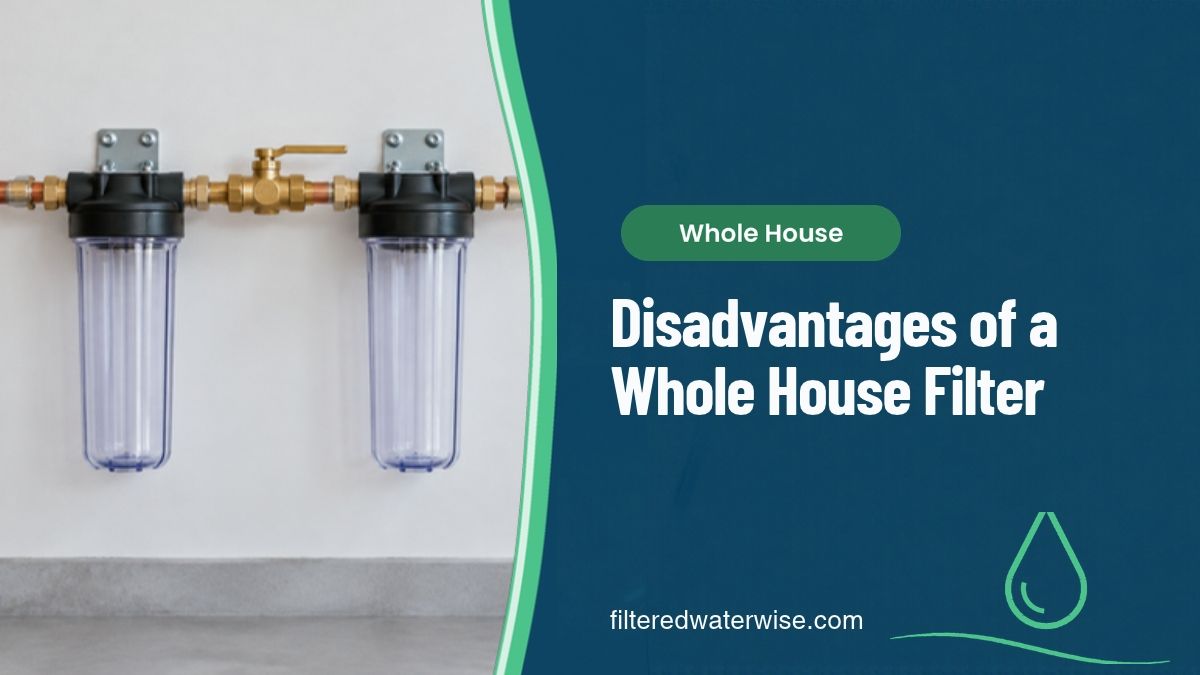
    Versatile and Portable Use

    This filtration system is incredibly versatile and portable, making it suitable for various settings. Whether you’re using it in your kitchen, at a picnic, or during your RV adventures, the USWF Gravity Fed Water Filter can be conveniently used anywhere with a flat surface. Its compact design allows for easy transportation and setup, allowing you to enjoy clean water wherever you go.

    Inclusive Accessory Kit

    The USWF Gravity Fed Water Filter includes an accessory kit that contains everything you need to set up the system and start enjoying clean drinking water. The heavy-duty sight glass spigot allows you to visually see how much filtered water is left in the lower chamber, so you know when it’s time to refill the top chamber. The non-slip stand enhances functionality and ease of use, ensuring that your filtration system remains stable and secure.

    Check price on Amazon

    Product Specifications

    Product Name USWF Gravity Fed Water Filter
    Material 304 Food-Grade Stainless Steel
    Capacity 2.25 Gallons
    Filtration Type Carbon and Fluoride
    Filters Included 2 Carbon Filters, 2 Fluoride Filters
    Filter Life Carbon Filters: 6,000 gallons
    Fluoride Filters: 1,000 gallons
    Certification NSF/ANSI 372
    Dimensions (dimensions of the product)
    Weight (weight of the product)

    Who Needs This

    The USWF Gravity Fed Water Filter is perfect for anyone who appreciates clean and great-tasting water. Whether you’re concerned about the water quality in your area or simply want to improve the taste and odor of your drinking water, this filtration system is an ideal solution. It can meet the demand of up to 4 people at once, making it suitable for families or small households.

    Check price on Amazon

    Pros and Cons

    Pros

    • Effective filtration of chlorine, sediment, and other impurities
    • Reduces fluoride content in the water for safe consumption
    • Durable, stylish, and food-grade stainless steel construction
    • Portable and easy-to-use, no installation required
    • Includes a sight glass spigot and non-slip stand for convenience
    • Long-lasting filter life, reducing the need for frequent replacements
    • NSF/ANSI 372 certified for quality and safety assurance

    Cons

    • May not lower total dissolved solids (TDS)
    • Does not include additional filter options for specific contaminants

    FAQs

    1. How often do I need to replace the filters?

      • The carbon filters can effectively filter up to 6,000 gallons of water, while the fluoride filters can filter up to 1,000 gallons. The frequency of filter replacement depends on your water usage.
    2. Does this filter system lower TDS?

      • No, the USWF Gravity Fed Water Filter does not lower total dissolved solids (TDS).
    3. Can I use this filter system for well water?

      • Yes, this filter system can be used with well water as long as it meets the system’s capacity requirements.
    4. Do I need to plug it into an electrical outlet?

      • No, this filter system does not require any electricity as it operates using the power of gravity.

    Check price on Amazon

    Overall Value

    With its effective filtration, durable construction, portable design, and inclusive accessory kit, this filtration system provides a reliable and convenient way to enjoy clean and great-tasting water. Its long-lasting filter life also adds to its overall value, reducing the need for frequent filter replacements.

    Check price on Amazon

    Tips and Tricks for Best Results

    To ensure the best filtration results and extend the lifespan of your filters, it is recommended to regularly clean the system. Cleaning the filters and the filter housing will help maintain their efficiency and prevent any potential clogging. Additionally, ensure that you follow the manufacturer’s instructions for filter replacement to ensure optimal performance.

    Final Thoughts

    Product Summary

    The USWF Gravity Fed Water Filter is a high-quality filtration system that delivers clean and great-tasting water. With its efficient filtration, durable stainless steel construction, and portable design, it offers a reliable solution for anyone looking to improve their water quality. The inclusive accessory kit, long-lasting filter life, and NSF/ANSI 372 certification further enhance the value and reliability of this product.

    Final Recommendation

    If you’re looking for an effective, durable, and portable water filtration system, the USWF Gravity Fed Water Filter is an excellent choice. Its quality manufacturing, efficient filtration, and user-friendly design make it a worthwhile investment for anyone who values clean and delicious drinking water. Consider this product for your filtration needs and enjoy the benefits of clean and refreshing water in your everyday life.

    Check price on Amazon

  • Does A Brita Filter Remove Sodium From Softened Water?

    Does A Brita Filter Remove Sodium From Softened Water?

    Filtered Water Wise is reader-supported, and some articles contain affiliate links. As an Amazon Associate I earn from qualifying purchases. Affiliate disclosure

    In this informative article, you will discover if a Brita filter is effective in removing sodium from softened water. If you’re someone who is conscious about the sodium content in your drinking water, this is an important question to answer. With the help of this article, you will gain a better understanding of how a Brita filter works and whether it can be relied upon to reduce sodium levels in your softened water. So, let’s delve into the world of water filtration and discover if a Brita filter is the solution you’ve been searching for.

    Introduction to Brita filters and softened water

    Brita filters are a popular choice for improving the taste and quality of tap water. These filters are designed to remove impurities, such as chlorine, lead, and mercury, which can affect the flavor and safety of your drinking water. However, when it comes to sodium removal, there is some confusion as to whether Brita filters are effective. In this article, we will explore the role of Brita filters in removing sodium from softened water and provide valuable insights to help you make informed decisions about your water filtration needs.

    Explanation of Brita filters

    Brita filters utilize activated carbon and ion exchange resin to effectively reduce contaminants in your water. The activated carbon is responsible for trapping and adsorbing impurities, such as chlorine and organic compounds, while the ion exchange resin works to remove heavy metals, like lead and mercury. These two filtration mechanisms combine to improve both the taste and safety of your tap water, making it an ideal choice for many households.

    Explanation of softened water

    Softened water refers to water that has undergone a process known as water softening. This process is typically performed to remove minerals like calcium and magnesium, which can cause limescale buildup on plumbing fixtures and appliances. The most common method of water softening involves the use of a water softener, which replaces the hardness minerals with sodium ions. While this eliminates the negative effects of hard water, it does introduce sodium into the water supply.

    Understanding Sodium in Water

    Importance of monitoring sodium levels in drinking water

    Sodium plays a crucial role in maintaining the body’s fluid balance and overall health, but excessive sodium intake can contribute to hypertension and other health issues. It is therefore important to monitor sodium levels in your drinking water, especially if you are on a sodium-restricted diet or have sensitivity to sodium. While the amount of sodium in water is generally low compared to other dietary sources, it is still recommended to be mindful of your sodium intake and take measures to reduce it if necessary.

    Sources of sodium in water

    Sodium can find its way into your water supply through various sources. Natural sources, such as geological formations and mineral deposits, can contribute to the sodium content in water. Additionally, water treatment processes like water softening can introduce sodium ions into the water to counteract the effects of hard water. It’s important to note that the sodium levels in water can vary depending on your location and the specific treatment methods implemented by your water utility.

    Working Mechanism of Brita Filters

    Overview of how Brita filters remove impurities

    Brita filters employ a combination of physical and chemical processes to eliminate impurities from your tap water. The activated carbon in the filter functions as a porous material, capable of trapping and adsorbing contaminants as the water passes through. This includes chlorine, volatile organic compounds (VOCs), and sediment. As the water continues its journey through the filter, the ion exchange resin works to remove heavy metals such as lead and mercury, replacing them with less harmful ions.

    Filtration process in Brita filters

    In Brita filters, the water first enters the filter cartridge through the top and passes through the activated carbon layer. This step mainly targets the removal of chlorine, which is responsible for the taste and odor of tap water. It also helps reduce the presence of some organic compounds. The water then flows through the ion exchange resin layer, where heavy metals like lead and mercury are trapped. Finally, the filtered water is collected in the pitcher or dispensed through the faucet filter, ready for consumption.

    Evaluation of Brita Filters for Sodium Removal

    Testing Brita filters for sodium removal

    To determine the effectiveness of Brita filters in removing sodium from softened water, several studies have been conducted. These studies involve testing the filtered water for sodium levels before and after filtration. The aim is to assess the extent to which Brita filters can reduce sodium content and provide insights into their ability to meet the needs of individuals on low-sodium diets.

    Results of studies on Brita filters and sodium removal

    The results of these studies indicate that Brita filters can effectively reduce sodium levels in softened water, although the extent of reduction may vary. While Brita filters are primarily designed for removing impurities like chlorine and heavy metals, they can still provide a noticeable reduction in sodium content. However, it is important to note that Brita filters may not be as efficient in removing sodium compared to specialized reverse osmosis or distillation systems.

    Effectiveness of Brita Filters for Sodium Removal

    Determining the efficiency of Brita filters in reducing sodium levels

    To determine the efficiency of Brita filters in reducing sodium levels, it is crucial to consider the initial sodium content of the water, the duration of filtration, and the condition of the filter itself. Brita filters are not specifically designed for sodium removal, so their effectiveness may be influenced by factors such as the concentration of sodium in the water and the filter’s lifespan. Regularly replacing the filter cartridge is essential to maintain optimal performance and ensure maximum sodium reduction.

    Factors affecting sodium removal in Brita filters

    Several factors can affect the ability of Brita filters to remove sodium from softened water. The concentration of sodium in the water is an important factor, as higher levels may require more prolonged filtration to achieve significant sodium reduction. Additionally, the age and usage of the filter play a role in its efficiency. As a filter cartridge nears the end of its lifespan, its ability to remove sodium may decrease. Regular maintenance, including filter replacement, can help maximize the sodium removal efficiency of Brita filters.

    Comparison of Brita Filters with Other Methods of Sodium Removal

    Exploring alternative methods for removing sodium from water

    While Brita filters can provide a noticeable reduction in sodium levels, there are other methods available that may offer more efficient sodium removal. Reverse osmosis systems utilize a semi-permeable membrane to remove a wide range of impurities, including sodium, providing highly purified water. Distillation is another method that involves heating water to produce steam and then condensing it, leaving behind many impurities, including sodium.

    Comparing effectiveness and convenience of different methods

    When comparing Brita filters with alternative methods for sodium removal, it is essential to consider factors such as effectiveness, convenience, and cost. Reverse osmosis and distillation systems tend to be more effective at removing sodium, but they can also be more expensive and require more complex installation and maintenance. Brita filters, on the other hand, offer a simpler and more affordable solution for reducing sodium levels, although their effectiveness may be somewhat lower compared to specialized systems.

    Limitations of Brita Filters for Sodium Removal

    Identifying potential limitations of Brita filters in removing sodium

    While Brita filters can provide a noticeable reduction in sodium levels, they do have some limitations. One of the primary limitations is their effectiveness in removing sodium compared to specialized systems like reverse osmosis or distillation. Brita filters are designed to target a broad range of contaminants, including chlorine and heavy metals, rather than specifically reducing sodium content. As a result, individuals with severe sodium restrictions may need to consider alternative methods for more significant sodium reduction.

    Addressing the limitations and finding solutions

    To address the limitations of Brita filters in removing sodium, individuals with severe sodium restrictions may need to explore alternative methods such as reverse osmosis or distillation. These methods are more efficient at sodium removal and provide a higher level of purification. However, for those who are not on strict sodium-restricted diets, Brita filters can still serve as a practical and cost-effective solution for improving water quality and reducing overall sodium intake.

    Practical Tips for Sodium Removal with Brita Filters

    Proper usage and maintenance of Brita filters for sodium removal

    To maximize the sodium removal efficiency of Brita filters, it is important to follow proper usage and maintenance guidelines. This includes ensuring the filter cartridge is regularly replaced as recommended by the manufacturer. It is also advisable to flush the filter cartridge before the initial use and after every filter replacement to remove any loose carbon particles. Additionally, keeping the filter in a cool and dry place when not in use can help preserve its effectiveness.

    Considering other alternatives for sodium reduction in addition to Brita filters

    While Brita filters can aid in reducing sodium levels, individuals who are on strict sodium-restricted diets or have specific health concerns may consider additional measures to further reduce sodium. This can include using low-sodium bottled water or exploring specialized water treatment systems like reverse osmosis or distillation. Consulting with a healthcare professional or nutritionist can provide valuable guidance on the best approach to sodium reduction based on individual circumstances.

    Conclusion

    In conclusion, Brita filters can provide a noticeable reduction in sodium levels in softened water, but their effectiveness may vary. While Brita filters are primarily designed for removing impurities like chlorine and heavy metals, they can still contribute to reducing overall sodium intake. Regularly replacing the filter cartridge and following proper usage and maintenance guidelines are essential to ensure optimum performance. Ultimately, individuals with severe sodium restrictions may need to consider alternative methods such as reverse osmosis or distillation for more significant sodium reduction. Regular testing and monitoring of water quality, regardless of the filtration method used, remain important for a healthy lifestyle.

  • What Are The Disadvantages Of Whole House Water Filter?

    What Are The Disadvantages Of Whole House Water Filter?

    Filtered Water Wise is reader-supported, and some articles contain affiliate links. As an Amazon Associate I earn from qualifying purchases. Affiliate disclosure

    Are you considering installing a whole house water filter but unsure of its potential drawbacks? Look no further! This article aims to shed light on the disadvantages of whole house water filters, helping you make an informed decision. From increased installation costs to regular maintenance requirements, we will explore the downsides of this filtration system. By the end, you will have a clear understanding of the potential challenges associated with whole house water filters and whether they are the right choice for you. So, let’s dive in and explore the disadvantages together!

    1. High Cost

    Initial investment

    One of the main disadvantages of a whole house water filter is the high cost associated with it. When installing a whole house water filter, you will need to make a significant initial investment. This includes the cost of the filter itself, as well as any additional equipment that may be needed for installation. The price can vary widely depending on the size and type of filter you choose, but it is important to budget and plan accordingly.

    Maintenance costs

    In addition to the initial investment, there are also ongoing maintenance costs associated with a whole house water filter. Filters need to be replaced periodically, and these replacement filters can be quite expensive. The frequency of filter replacement will depend on the type of system you have and the quality of your water source. It is important to factor in these costs when considering a whole house water filter.

    Replacement costs

    Not only do you have to budget for the maintenance costs of replacing filters, but you also need to consider the potential replacement costs of the entire system. While whole house water filters are generally durable and long-lasting, there may be instances where the entire unit needs to be replaced. This could be due to damage or wear and tear over time. These replacement costs can be significant and should be taken into account when deciding to invest in a whole house water filter.

    2. Limited Filter Efficiency

    Inability to remove certain contaminants

    While whole house water filters are designed to remove a wide range of contaminants, there may be certain contaminants that they are unable to effectively remove. Some filters may not be equipped to deal with specific types of contaminants such as bacteria, viruses, or certain chemicals. It is important to research and choose a filter that is capable of addressing the specific contaminants present in your water source.

    Decreased effectiveness over time

    Another disadvantage of whole house water filters is that their effectiveness may decrease over time. As the filter accumulates more contaminants, it may become clogged and less efficient at removing impurities from your water. Regular maintenance and filter replacement are crucial to ensure that your filter continues to perform at an optimal level.

    Limited ability to treat specific water issues

    Certain water issues may require specialized treatment that a whole house water filter may not be able to provide. For example, if you have hard water or high levels of iron in your water, a whole house water filter may not be sufficient to fully address these issues. In such cases, additional treatment methods may be necessary to achieve the desired water quality.

    3. Complex Installation

    Requirement of professional installation

    Installing a whole house water filter can be a complex process that often requires professional assistance. This adds to the overall cost of the system and may require scheduling and coordinating with a professional installer. It is important to consider the added time and effort involved in the installation process when deciding to invest in a whole house water filter.

    Inconvenience during installation

    During the installation process, there may be some inconvenience and disruption to your daily routine. The water supply to your house may need to be temporarily shut off, and you may need to make alternative arrangements for water usage during the installation. This can be inconvenient, especially if the installation process takes longer than anticipated.

    Need for additional space

    A whole house water filter system typically requires a dedicated space for installation. Depending on the size and type of system you choose, this may require additional space in your home, such as a utility room or basement. It is important to consider whether you have the necessary space available before investing in a whole house water filter.

    4. Reduced Water Pressure

    Potential decrease in water pressure

    One potential disadvantage of a whole house water filter is a potential decrease in water pressure. As water passes through the filter, it may experience some resistance, resulting in a decrease in water pressure throughout the house. While this decrease may be minimal, it can still impact the overall water flow and pressure in your home.

    Impact on simultaneous water usage

    In households where multiple sources of water are used simultaneously, such as running the dishwasher while taking a shower, a whole house water filter may further impact water pressure. The filter may limit the amount of water that can be used at the same time, leading to reduced water flow and potential inconvenience. It is important to consider your household’s water usage habits and needs when deciding on a whole house water filter.

    5. Incompatible with Certain Water Sources

    Well water with high sediment levels

    Whole house water filters may not be compatible with water sources that have high sediment levels, such as well water. Sediment can clog the filter quickly and reduce its effectiveness. In such cases, additional sediment filters or pre-filters may be required to protect the whole house water filter and ensure it performs optimally.

    Water with high iron content

    Water with high iron content can present challenges for whole house water filters. Iron can cause staining, unpleasant odors, and affect the taste of the water. While some whole house water filters can handle moderate levels of iron, high iron content may require additional treatment methods like a dedicated iron filter or water softener.

    Water with low pH levels

    Low pH water, also known as acidic water, can pose challenges for whole house water filters. Acidic water can corrode pipes and plumbing fixtures, and it may also affect the effectiveness of the filter itself. Additional treatment methods, such as a neutralizing filter or chemical injection system, may be needed to address low pH levels in the water.

    6. Risk of Bacterial Growth

    Standing water in the filter

    One potential risk associated with whole house water filters is the presence of standing water within the filter. If the filter is not properly maintained or if the system experiences frequent interruptions in water flow, standing water can occur. This stagnant water provides an ideal breeding ground for bacteria and other microorganisms.

    Opportunity for bacterial growth

    The presence of standing water in the filter can create the opportunity for bacterial growth. Bacteria can multiply and thrive in a moist, warm environment, potentially leading to water contamination. It is important to regularly clean and maintain the whole house water filter to minimize the risk of bacterial growth.

    Potential health risks

    Bacterial growth in a whole house water filter can pose potential health risks. If the contaminated water is consumed or used for bathing, it can lead to illnesses and infections. It is crucial to regularly monitor the condition of the filter and promptly address any signs of bacterial growth to safeguard your health and the health of your household.

    7. Inconvenient Filter Replacement

    Frequency of filter replacement

    Regular filter replacement is necessary to maintain the effectiveness of a whole house water filter. However, the frequency of filter replacement can vary depending on the filter type, water quality, and usage. Some filters may require replacement every few months, while others can last for several years. Being aware of the specific requirements of your filter and scheduling regular replacements can help ensure optimal filtration.

    Lengthy process and downtime

    Replacing the filter in a whole house water filter system can be a lengthy and time-consuming process. It may involve shutting off the water supply, dismantling and removing the old filter, and installing the new one. This can result in downtime during which water usage is temporarily interrupted. It is important to plan for this inconvenience and ensure you have alternative water sources available during the replacement process.

    Potential for forgetting or neglecting replacement

    With the busy demands of daily life, there is a potential for forgetting or neglecting the timely replacement of the whole house water filter. This can lead to decreased filter efficiency and compromised water quality. Maintaining a schedule and setting reminders can help ensure regular filter replacements and a continuous supply of clean water.

    8. Dependency on Electricity

    Need for electricity to run the filter system

    Some whole house water filter systems require electricity to run. This dependency on electricity means that the filter will not function during power outages or in areas with unreliable electricity supply. It is important to consider the availability and reliability of electricity in your area when considering a whole house water filter.

    Risks during power outages

    During power outages, a whole house water filter system that relies on electricity may be rendered useless. This can leave you without access to filtered water until the power is restored. In areas prone to frequent power outages, it may be necessary to have alternative water sources or backup power options to ensure a continuous supply of clean water.

    9. Ineffective Against Hard Water

    Insufficient removal of minerals

    Whole house water filters may not be fully effective in removing minerals present in hard water. While some filters can alleviate the effects of hard water, they may not completely remove minerals such as calcium and magnesium. The presence of these minerals can still result in scale buildup and affect the performance of appliances and plumbing fixtures.

    Potential for scale buildup

    Minerals present in hard water can cause scale buildup in pipes, water heaters, and other plumbing fixtures. While whole house water filters can help reduce the effects of hard water, they may not prevent scale formation entirely. Additional treatment methods like water softeners or anti-scale devices may be needed to address the issue of scale buildup.

    Damaging effects on appliances and plumbing

    Scale buildup caused by hard water can have damaging effects on appliances such as dishwashers, washing machines, and water heaters. The buildup can lead to decreased efficiency, increased energy consumption, and potentially costly repairs or replacements. It is important to consider the impact of hard water on appliances and plumbing when evaluating the effectiveness of a whole house water filter.

    10. Environmental Impact

    Wastewater generated during backwashing

    Whole house water filters often require periodic backwashing to clean and flush out accumulated impurities from the filter. This backwashing process can generate a significant amount of wastewater, which may contain contaminants and pollutants. Proper disposal of this wastewater is essential to minimize the environmental impact.

    Disposal of used filters

    As whole house water filters require regular filter replacements, the disposal of used filters can contribute to waste generation. Some filters may contain non-biodegradable materials that can have a negative impact on the environment. Proper disposal methods, such as recycling or disposing of filters according to local regulations, should be followed to minimize environmental harm.

    Use of non-biodegradable materials

    Whole house water filters often consist of various components and materials, some of which may be non-biodegradable. These materials can contribute to environmental pollution and waste accumulation. It is important to choose filters that are made from eco-friendly and sustainable materials whenever possible to minimize the environmental impact.

    In conclusion, while whole house water filters offer many benefits in terms of providing clean and filtered water throughout your home, they also come with several disadvantages. The high cost, limited filter efficiency, complex installation process, potential decrease in water pressure, incompatibility with certain water sources, risk of bacterial growth, inconvenient filter replacement, dependency on electricity, ineffective against hard water, and environmental impact are all important factors to consider when deciding whether a whole house water filter is the right choice for your household.